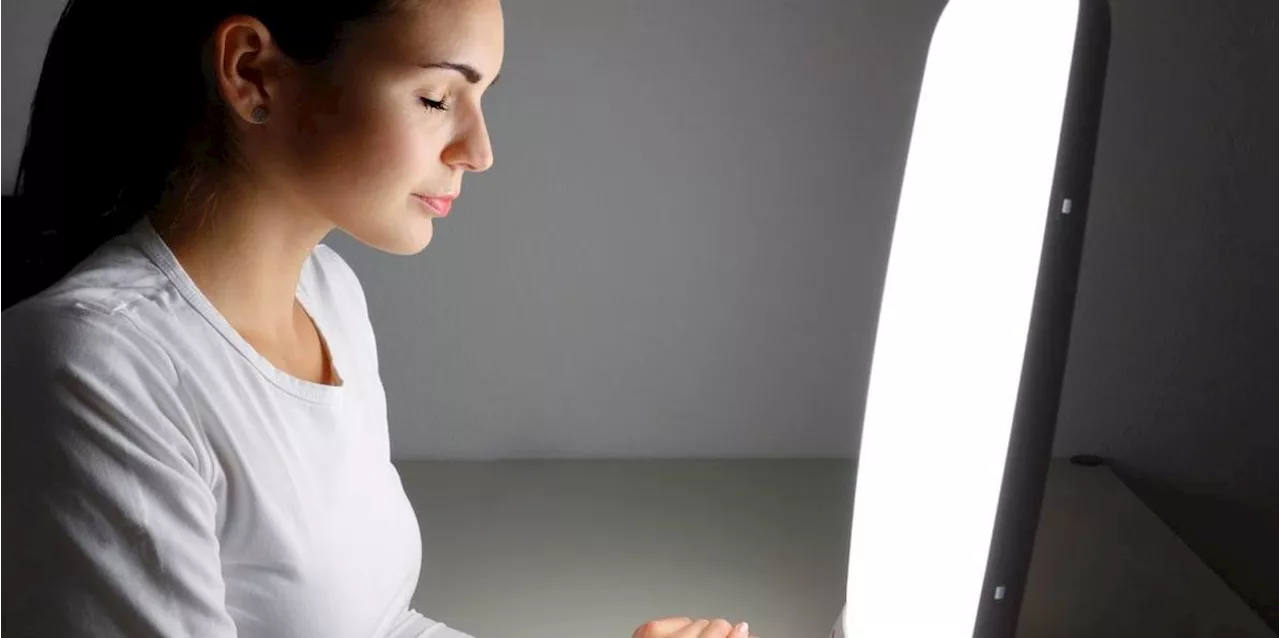
Many people experience feelings of sadness and lethargy during the winter months, a condition known as Seasonal Affective Disorder (SAD). Acknowledging this widespread issue, light therapy has emerged as a viable treatment option. This therapy involves using a specialized light box that emits bright light to help alleviate symptoms associated with SAD.
In regions where winter significantly reduces sunlight exposure, such as northern parts of the United States and Europe, the effects of SAD can be pronounced. Symptoms can include feelings of hopelessness, fatigue, and melancholy, which often last until spring. According to research, light therapy can provide relief by simulating natural outdoor light, helping to regulate mood and energy levels.
Understanding Light Therapy
Light therapy typically requires individuals to sit in front of a light box for about 30 minutes each day. Most of these devices emit around 10,000 lux of light, equivalent to the brightness of an overcast day outdoors. Dr. Andrew Zeitzer, a professor at Stanford University and co-director of the Center for Sleep and Circadian Sciences, explains that exposure to this intensity of light can influence our circadian rhythms. These rhythms play a crucial role in regulating sleep patterns and overall well-being.
Dr. Zeitzer emphasizes that “lots of things are impacted by the circadian setting,” which is why some individuals may experience mood disturbances during shorter winter days. The light from therapy boxes can help recalibrate the body’s internal clock, potentially leading to improved mood and energy levels.
Research has shown that light therapy can be beneficial for certain individuals. In one study, morning light therapy significantly reduced symptoms of perinatal depression in a group of 22 women. While light therapy is not a cure for all forms of depression, it can be an effective part of a comprehensive treatment plan for those experiencing seasonal symptoms.
Practical Considerations for Light Therapy
Light therapy is generally safe for most people, but it is essential for those with specific conditions, such as photosensitivity or certain eye disorders, to consult with a healthcare provider before beginning treatment. Dr. Zeitzer cautions that individuals experiencing non-seasonal depression should not solely rely on light therapy. Professional evaluation is crucial to ensure appropriate treatment for underlying issues.
The accessibility of light therapy is another advantage. Light boxes can be purchased online or at major retail stores, making it easy to incorporate into daily routines. To reap the benefits, users must commit to consistent use, ideally starting from late fall through early spring. It is recommended not to stare directly into the light but to engage in other activities, such as reading or working, while undergoing therapy.
As winter approaches, many may find that light therapy can significantly enhance their quality of life. By committing to a daily routine of light exposure, individuals struggling with SAD can potentially alleviate their symptoms and enjoy the season more fully. For anyone considering this treatment, consultation with a healthcare provider is an important first step in addressing their mental health needs.