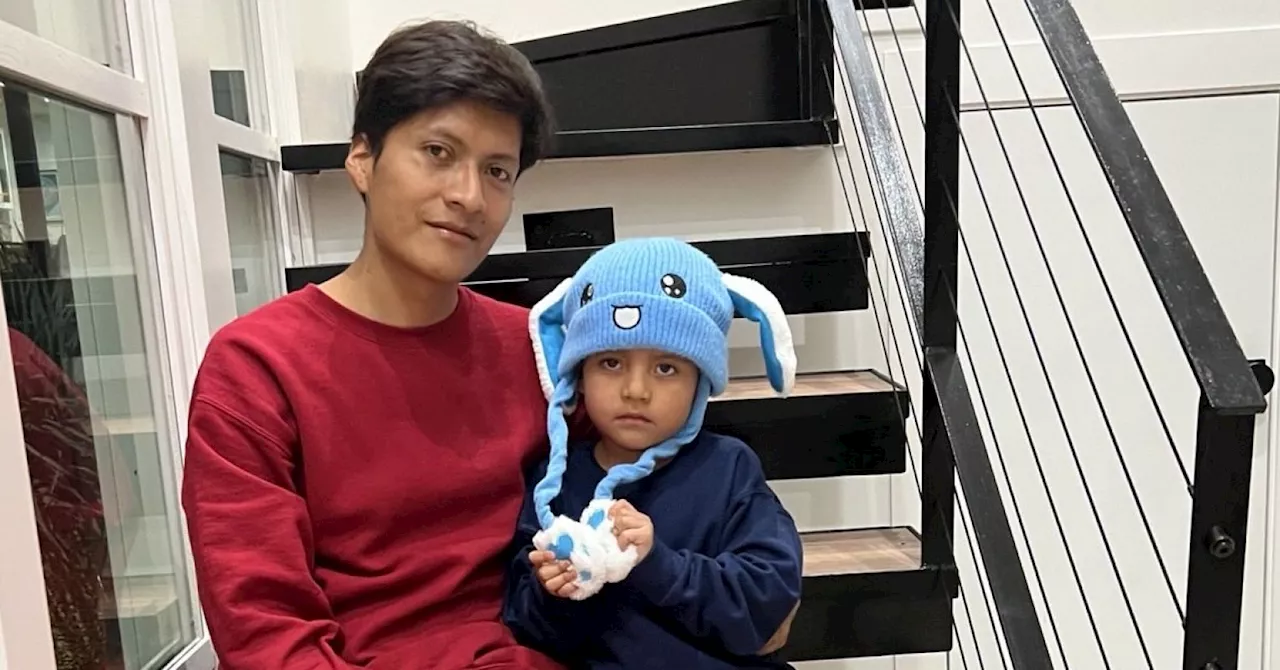
The ongoing debate surrounding child detention practices has intensified, particularly in light of the troubling case of Liam Conejo Ramos. On January 20, 2026, Liam and his father were apprehended by Immigration and Customs Enforcement (ICE) in their Minneapolis suburb shortly after returning home. Their detention, which has been described as unlawful by their attorney, has sparked widespread outrage and highlighted the detrimental mental health impacts that family separation can have on children.
Family separation, often framed as a protective measure, has been linked to severe psychological consequences, including post-traumatic stress disorder (PTSD), anxiety, and depression. The impact extends beyond individual cases, affecting community cohesion and overall health outcomes. For instance, children who witness their peers being taken away often experience increased fear and anxiety, which can lead to diminished school attendance and healthcare utilization.
The mental health field faces a critical challenge: the legitimization of detention as a form of care. Providers often offer treatment within environments that exacerbate trauma rather than alleviate it. The juxtaposition of Liam’s innocent image—dressed in a blue bunny snow hat and carrying a Spiderman backpack—against the backdrop of ICE officers highlights a stark reality: children are being subjected to conditions that compromise their mental well-being.
Systemic Issues in Child Detention
Family separation is not merely an immigration issue; it is a systemic problem rooted in various social services, including child welfare and juvenile justice systems. These frameworks operate under the guise of safety, yet they often perpetuate harm, particularly within Black and Brown communities. For many children, the trauma associated with separation from their families can be as damaging as the conditions that led to their detention.
The historical context of family separation in the United States reveals a troubling pattern. Throughout history, marginalized communities have faced disproportionate interventions under the pretense of protection. This legacy, which includes the forced removal of Indigenous children and the transatlantic slave trade, continues to manifest in contemporary practices that label children as “deficient” based on their socioeconomic backgrounds.
Mental health providers play a role in perpetuating these systems. By participating in mandatory reporting and diagnosing children with conditions like oppositional defiant disorder, they inadvertently contribute to the criminalization of behavior that stems from structural inequality. Once children enter state custody, they often face coercive psychiatric practices, which can include excessive prescription of psychotropic medications.
Research suggests that children in these environments are more likely to receive treatment that fails to address the root causes of their distress. Instead of recognizing the harm inflicted by the system itself, providers may focus on treating symptoms, further entrenching the cycle of trauma.
Redirection Towards Family Unity
The obligation of mental health providers is to confront their complicity in the systems that separate families. Moving forward, there is a pressing need to prioritize keeping families together as a fundamental aspect of mental health care. This shift requires a critical reevaluation of how resources are allocated within the child detention framework. Currently, hundreds of millions of dollars are directed toward maintaining detention facilities and support systems that fail to address the needs of families.
Alternatives exist, as evidenced by initiatives in California and New York that focus on voluntary supports rather than punitive investigations. These programs aim to provide families with the assistance they need without resorting to separation. Investing in community-based alternatives, such as peer respite centers, can create environments where healing occurs outside of institutional settings.
As the case of Liam Conejo Ramos illustrates, the psychological harm of family separation extends across various systems, including immigration enforcement, child welfare, and juvenile justice. The mental health profession has a moral imperative to withdraw support from practices that perpetuate trauma. Redirecting efforts towards community support services and prioritizing family unity represents not only an ethical duty but also a vital step toward improving mental health outcomes for vulnerable populations.
In conclusion, the urgent call for mental health providers to reassess their roles within the child detention system cannot be overstated. Healing cannot occur in an environment that confines and separates families; true recovery demands a commitment to keeping families together and addressing the systemic issues that lead to their separation.