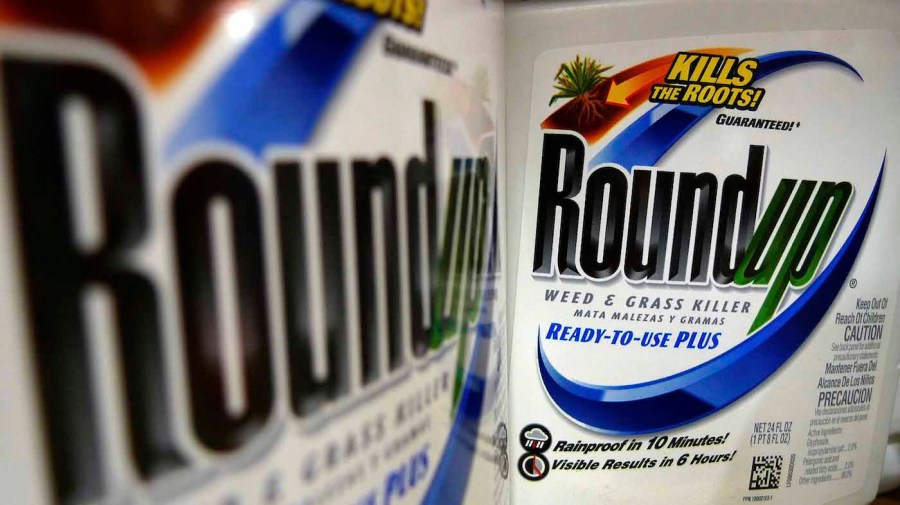
Monsanto has agreed to a significant $7.25 billion settlement regarding claims that its Roundup weedkiller caused cancer in thousands of individuals. The settlement aims to address both current and future claims from people who allege that exposure to Roundup resulted in the development of non-Hodgkin lymphoma. This agreement marks a substantial step in resolving ongoing litigation surrounding the product.
The proposed class action settlement, submitted to the U.S. District Court, is intended to provide compensation to those affected by the allegations. It covers a broad range of claims, including those of current plaintiffs as well as future individuals who may experience health issues linked to Roundup exposure. This deal reflects Monsanto’s effort to mitigate the extensive legal challenges it has faced over the years.
While the settlement amount is considerable, it is important to note that it is still subject to court approval. Legal experts anticipate that the review process will assess the adequacy of the settlement in compensating affected individuals adequately. The court’s decision will determine whether the agreement is finalized or if further negotiations are needed.
Monsanto has faced numerous lawsuits since studies began linking glyphosate, the active ingredient in Roundup, to cancer. In 2015, the World Health Organization classified glyphosate as “probably carcinogenic in humans,” which heightened scrutiny of the product and led to a wave of lawsuits across various jurisdictions.
As part of the settlement, Monsanto has also committed to establishing a fund to support ongoing research into the health effects of glyphosate exposure. This initiative aims to provide more comprehensive data on the potential risks associated with the widely used herbicide.
Victims of Roundup exposure have expressed mixed feelings about the settlement. While many hope that the financial compensation will bring some relief, others are concerned about the implications of such a large payout. They fear it may set a precedent for how similar claims are handled in the future.
The settlement also highlights the broader conversation surrounding agricultural chemicals and public health. As consumers become increasingly aware of the potential risks associated with herbicides and pesticides, companies like Monsanto face mounting pressure to ensure the safety of their products.
If approved, this settlement could significantly impact not only Monsanto but also the agricultural industry as a whole. It raises questions about product liability and the responsibility companies have to disclose potential health risks associated with their products.
As the situation develops, the focus will remain on the court’s review and the responses from plaintiffs and health advocates. The outcome of this case could reshape the landscape of legal accountability for chemical manufacturers in the coming years.