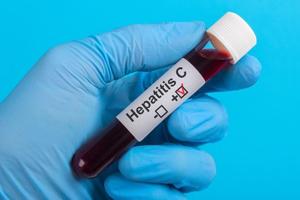
A revolutionary 15-minute test for Hepatitis C has been developed, allowing for same-day treatment in patients. This rapid testing method is expected to significantly improve patient outcomes and streamline the diagnosis process. Health organizations around the world are heralding this advancement as a breakthrough in the fight against a disease that affects millions.
The new test, unveiled in March 2024, provides results in a fraction of the time compared to traditional methods, which often require days for results. This rapid turnaround enables healthcare providers to initiate treatment immediately, reducing the number of patients who might otherwise be lost to follow-up care.
Global Health Impact
According to the World Health Organization (WHO), approximately 71 million people globally are living with chronic Hepatitis C. The disease can lead to severe liver complications, including cirrhosis and liver cancer, if left untreated. The introduction of a quick and efficient testing method is crucial for timely intervention.
Healthcare professionals in the United States, United Kingdom, and Australia are optimistic about the potential impact of this test. Dr. Emily Carter, a leading hepatologist based in London, emphasized the importance of early diagnosis in a statement: “By enabling same-day treatment, we can drastically improve patient outcomes and reduce the burden of Hepatitis C on our healthcare systems.”
The Centers for Disease Control and Prevention (CDC) supports this initiative, highlighting that quick testing aligns with their goal to eliminate Hepatitis C as a public health threat by 2030. The CDC estimates that more than 2.4 million people in the United States are currently infected, many of whom remain unaware of their status.
How the Test Works
The innovative testing procedure utilizes advanced biomarkers to detect the virus in a patient’s blood within minutes. Patients simply provide a small blood sample, which is analyzed on-site, providing immediate results. This method not only enhances patient experience but also reduces the need for laboratory processing, which can be a significant bottleneck in traditional testing methods.
In addition to its speed, the test has shown a high degree of accuracy, with sensitivity and specificity rates that meet the stringent standards set by health authorities. Preliminary studies indicated that the test correctly identifies over 95% of positive cases, minimizing the risk of false negatives.
As health systems prepare to implement this new testing method, training for healthcare providers will be essential. Ensuring that staff are well-equipped to administer the test and interpret results effectively will be crucial in maximizing its benefits.
The financial implications of this advancement are also noteworthy. By reducing the need for extensive follow-up appointments and hospital visits, healthcare systems may experience significant cost savings. Furthermore, timely treatment may reduce the long-term healthcare costs associated with managing chronic Hepatitis C complications.
The introduction of the 15-minute Hepatitis C test marks a significant stride toward enhancing public health initiatives globally. With immediate treatment options now on the horizon, health authorities are hopeful that this innovation will contribute to a substantial decrease in new infections and improve the quality of life for those affected by the disease.
Overall, the rapid testing method represents not only a technological advancement but also a vital step forward in addressing a major public health challenge. As health organizations work to roll out this test on a large scale, the focus will be on ensuring accessibility and affordability for all patients, regardless of their location or socioeconomic status.