A recent study reveals that under a new obesity index, approximately 75% of U.S. adults would be classified as obese. This significant shift stems from an updated measurement system proposed by the Lancet Diabetes and Endocrinology Commission in January 2023. Historically, body mass index (BMI) has served as the primary metric for assessing unhealthy weight ranges. The new index integrates BMI with additional metrics, including waist circumference, waist-to-hip ratio, and waist-to-height measurements, creating a more comprehensive view of obesity.
The findings, published in the Journal of the American Medical Association (JAMA) last week, indicate that when these body measurements are considered, around four in five adults with a BMI categorized as overweight would actually be deemed obese. Alarmingly, an additional 38% of individuals classified as having a “healthy” BMI would also fall into the obese category under this new framework. From 2021 to 2023, the U.S. Centers for Disease Control and Prevention reported a traditional obesity prevalence of 40% among American adults, raising questions about the implications of this new assessment.
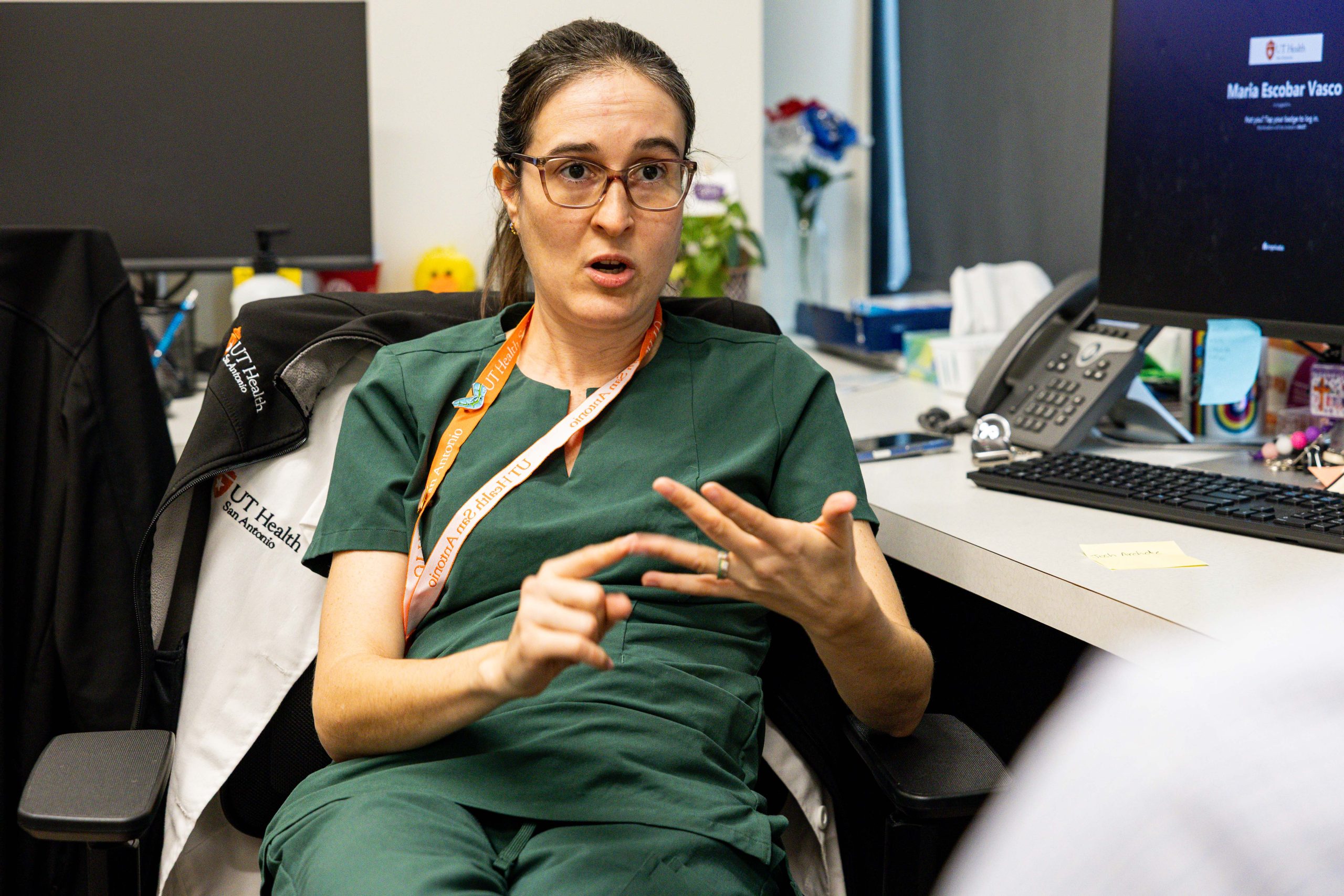
Dr. Maria Escobar Vasco, an endocrinologist at UT Health San Antonio, expressed her surprise at the findings. “Obesity is certainly an epidemic, and we’re seeing rising incidence and prevalence of obesity, but 75% seems high,” she remarked. Since the introduction of BMI in the early 1970s, obesity rates in the U.S. have steadily increased. This development has sparked broader discussions about the multifaceted causes of obesity, the societal stigma associated with it, and whether it should be classified as a chronic disease or merely a risk factor for conditions such as metabolic disease and type 2 diabetes.
Dr. Aaron King, a family medicine physician with the Baptist Health System, echoed the complexity surrounding the definition of obesity. “When you draw the line, that’s always a question that is up for a little bit of debate,” King noted. “But if you’re asking, ‘Do I think that 75% of U.S. adults have or are at high risk for developing metabolic disease?’ I think the data suggests yes, sadly.”
Experts largely agree that relying solely on BMI is insufficient for accurately assessing healthy weight ranges. The traditional BMI formula—weight in kilograms divided by height in meters squared—does not consider factors such as body fat versus muscle mass or the distribution of body fat. Consequently, BMI can both overestimate and underestimate obesity.
As Dr. King illustrated, a weightlifter with a BMI over 30 may be classified as obese despite having a body fat percentage of under 10%. In contrast, some individuals with a BMI around 25 may exhibit truncal obesity, which increases their risk for various metabolic diseases. Truncal obesity, characterized by excess fat around the abdomen, is particularly associated with insulin resistance and cardiovascular issues.
The Lancet Commission aims to address the limitations of BMI by incorporating waist measurements, which can provide a clearer understanding of disease risk. Dr. Escobar emphasized the importance of fat distribution, noting that excess abdominal fat can lead to serious health complications, including fatty liver disease. This discussion is particularly relevant for populations such as Asian Americans, who may benefit from lower BMI thresholds to enhance access to necessary medical treatments.
The Lancet Commission has also distinguished between pre-clinical obesity, defined as excess fat without impaired tissue function, and clinical obesity, a chronic condition that affects bodily functions due to excessive fat. The recent JAMA study merged these two categories, reflecting the ongoing debate regarding how best to define and approach obesity.
Despite its limitations, BMI remains a widely used screening tool in medical settings due to its simplicity and cost-effectiveness. Dr. King acknowledged this convenience but stressed the need for more nuanced measurements. “It’s probably going to be a paradigm shift that will take several years to come off using it,” he stated.
As the medical community continues to grapple with the complexities of obesity, experts advocate for a more comprehensive approach to assessments. Dr. Escobar concluded, “If we want to be really good about this, we should be getting waist-to-hip measurements on everybody. It’s fairly easy.” Future research will be critical in evaluating the effectiveness of this new index and its potential implications for public health policy and clinical practices.