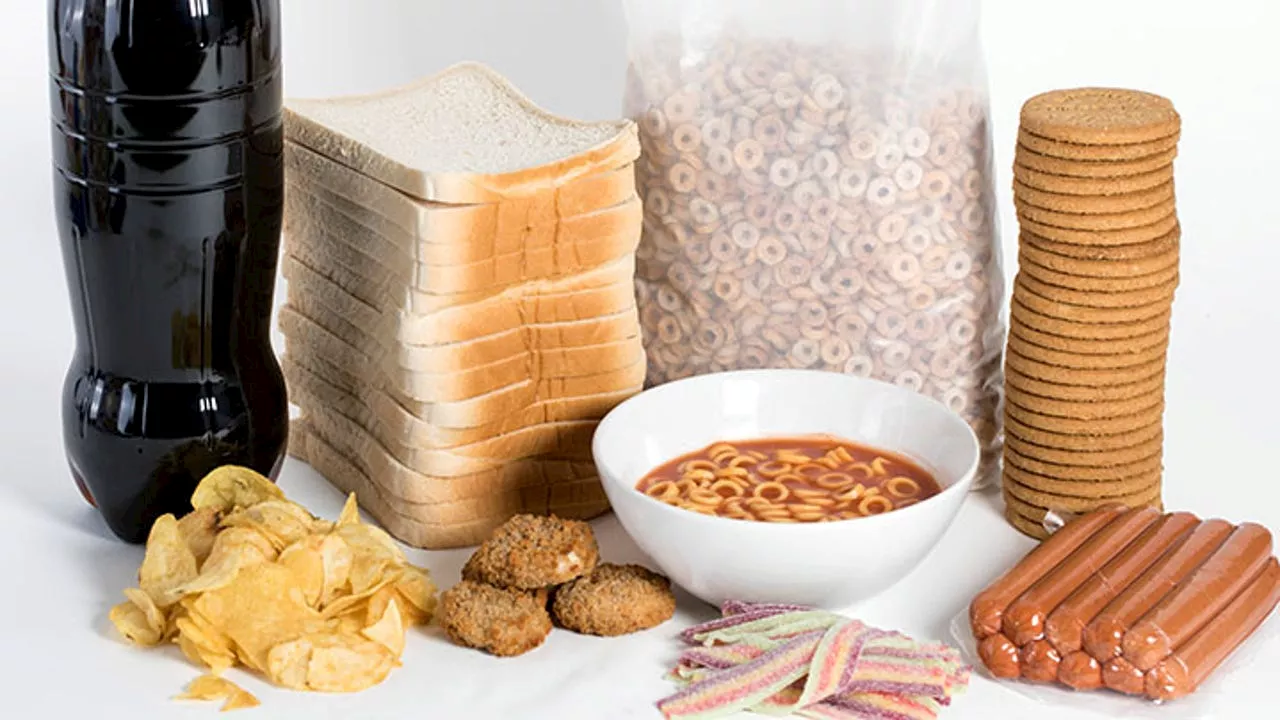
A recent study has revealed a significant connection between the consumption of ultra-processed foods and an increased risk of colon cancer among young adults. Conducted by researchers at the Mass General Brigham Cancer Institute, the study analyzed data from nearly 30,000 healthy young women, highlighting a concerning trend in colorectal health.
The research indicates that higher intake of ultra-processed foods, which include items like boxed soups and frozen meals, correlates with a greater likelihood of developing precursors to colorectal cancer known as colon adenomas. This finding adds to the growing alarm among cancer experts regarding the rising incidence of colorectal cancer diagnoses in individuals under 50 years of age.
Ultra-processed foods contain industrial ingredients that are rarely found in home kitchens. According to public health estimates, these foods constitute approximately 70% of the average American diet. Dr. Katherine Van Loon, a professor at the UCSF Global Cancer Program, emphasized the importance of this study in understanding the alarming rise of colorectal cancer among younger populations.
Understanding the Rising Trend
Dr. Van Loon noted, “Every patient in my clinic is very, very young. We’re seeing decreasing rates in people over 45, but rising rates in younger people. This is resulting in a rising mortality rate from an otherwise preventable disease.” Previous research has linked early-onset colorectal cancer to factors such as obesity, Type 2 diabetes, sedentary lifestyles, and diets high in red and processed meats. However, many young patients do not fit these typical profiles.
“This study adds another layer to what may be driving this epidemic,” Dr. Van Loon explained. While the researchers did not specify individual foods, they identified ultra-processed items as a common dietary staple among Americans who grew up during the 1970s, 1980s, and 1990s.
Dr. Van Loon remains hopeful that a shift towards healthier eating habits can reverse these trends. Drawing on research from the tobacco industry, she remarked, “When someone stops smoking, their cancer risk decreases. The same could be true for the negative effects of ultra-processed food consumption.”
Taking Action for Health
Dr. Van Loon advocates for prioritizing fresh foods, such as vegetables and unprocessed meats, and encourages everyone aged 45 and older to undergo regular screenings for colorectal cancer. She stresses the necessity of addressing symptoms seriously, regardless of age.
“If someone is experiencing bowel changes, blood in their stool, abdominal pain, cramping, or unexplained weight loss, they should see a doctor,” she advised. “Just because you’re not yet 45 doesn’t mean those symptoms don’t need medical attention.”
Raising awareness and promoting earlier medical intervention could play a crucial role in reversing the troubling trend of rising colorectal cancer rates among young adults. As research continues, the focus remains on encouraging healthier dietary choices and lifestyle modifications to combat the increasing risk associated with ultra-processed foods.