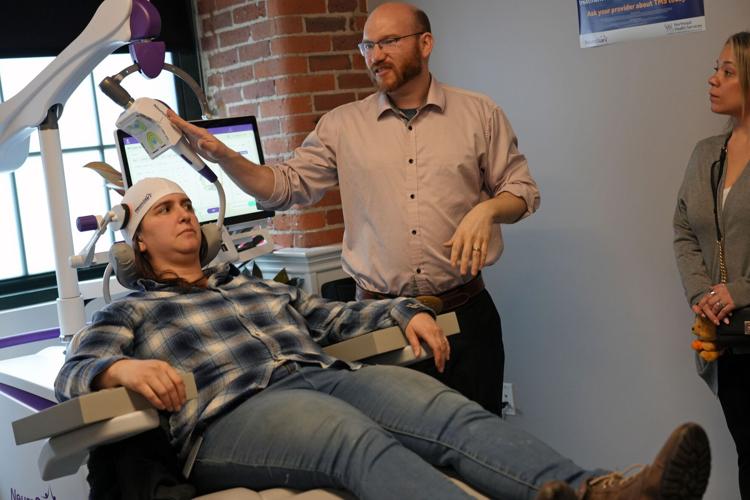
Northeast Health Services has introduced a new therapy machine, the NeuroStar Transcranial Magnetic Stimulation (TMS) device, aimed at treating various mental health conditions. The launch event, held in Lawrence, featured Mayor Brian DePeña, who met with mental health professionals to celebrate this significant advancement in patient care. TMS therapy is FDA-cleared for the treatment of depression, including cases complicated by anxiety, as well as obsessive-compulsive disorder (OCD).
Innovative Treatment Options
TMS therapy represents a non-invasive treatment method that offers an alternative to traditional antidepressant medications. According to Northeast Health Services, this therapy provides a safe and effective means of alleviating symptoms of depression without the common side effects associated with pharmaceuticals. Patients undergoing TMS therapy can expect lasting relief, making it a promising option for those struggling with mental health issues.
The NeuroStar TMS device utilizes magnetic fields to stimulate nerve cells in the brain, a process that has been shown to improve mood and cognitive function. This innovative approach reflects a growing trend in mental health care, focusing on non-drug therapies that may enhance patient outcomes and overall quality of life.
Community Impact and Future Goals
During the event, Mayor DePeña highlighted the importance of improving mental health resources in the community. He emphasized that access to advanced treatments like TMS therapy is crucial for addressing the mental health crisis faced by many individuals today. “We are committed to ensuring that our community has access to the best possible care,” he stated.
The introduction of TMS therapy marks a significant step forward for Northeast Health Services, which aims to expand its mental health offerings. This initiative is part of a broader commitment to enhance mental health support in the region and to provide patients with effective treatment options that address their specific needs.
As the health sector continues to evolve, the integration of technologies such as TMS therapy underscores a shift towards more personalized and less invasive treatment methods. The expectations surrounding this therapy are high, and its success may pave the way for further innovations in mental health care.
In conclusion, the launch of the NeuroStar TMS device at Northeast Health Services signifies an important development in the treatment of depression and related disorders. With community support and ongoing advancements in mental health therapy, there is hope for improved outcomes for many individuals seeking help.