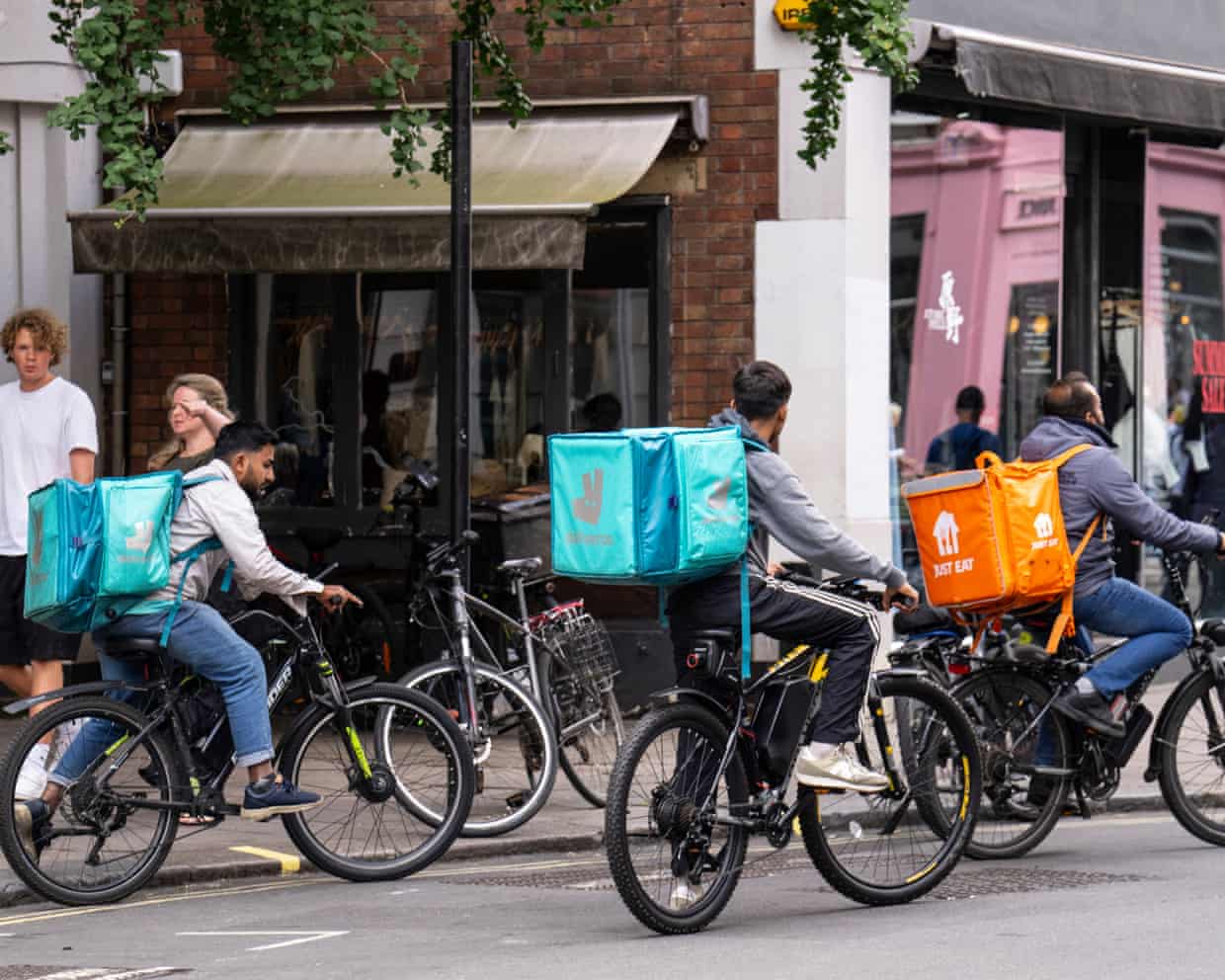
A recent study reveals that approximately one in seven food delivery businesses in England operates as a “dark kitchen.” This figure, which amounts to around 15% of all online food retailers on major platforms such as Deliveroo and Just Eat, highlights the significant presence of this hidden segment within the takeaway industry. Dark kitchens, also referred to as “cloud,” “ghost,” or “virtual” kitchens, are delivery-only entities without any customer-facing storefronts.
The findings, released by the University of Sheffield, emphasize the rapid growth of dark kitchens, which have previously lacked a clear definition. This ambiguity presents challenges for regulators, local authorities, food safety officers, and consumers alike. According to Dr. Lucie Nield, co-lead investigator of the study, “People deserve greater transparency about the food they are ordering online, and these businesses must be held to the appropriate regulatory standards.”
Defining Dark Kitchens for Better Regulation
The National Institute for Health and Care Research commissioned this study to establish a comprehensive framework for defining dark kitchens. Researchers collaborated with various stakeholders, including public health professionals and industry workers, to create a definition that accurately reflects how these businesses operate. The agreed wording is: “Technology-enabled commercial kitchen(s) operating primarily for delivery, to fulfil remote, on-demand, consumer online orders of food for immediate consumption.”
Using advanced data-scraping methods, the researchers investigated the prevalence of dark kitchens on food delivery apps. They identified clusters of food brands operating from the same postcode, which serves as a key indicator of delivery-only hubs. Cross-referencing locations with Google Maps further illustrated the challenges in identifying these businesses for both consumers and regulators.
Public Health Concerns and Consumer Awareness
While dark kitchen models offer commercial advantages, such as lower operating costs and flexible locations, the research raised important public health implications. Unlike traditional takeaways, which can be managed by local authorities through spatial planning policies, dark kitchens are significantly less visible. Consequently, management zones around schools aimed at limiting the density of takeaways do not apply, potentially undermining efforts to promote healthier food environments.
Moreover, concerns regarding food safety and transparency have emerged, particularly for consumers with allergies or dietary restrictions. Multiple businesses can share the same kitchen space, raising the risk of allergen cross-contamination. A survey conducted in 2023 found that 40% of participants ordered takeaways at least weekly, primarily for convenience. Despite this, awareness of dark kitchens remains low, with only 25% of respondents having heard of them and just 9% knowingly using one. Interestingly, after being provided with a working definition, more than half of the participants expressed a willingness to consider ordering from a dark kitchen, though most preferred clear labeling.
The newly established definition aims to bring dark kitchens under stricter planning and public health oversight, facilitating clearer regulations and inspection processes. As the industry continues to evolve, increased transparency will be essential for ensuring consumer safety and promoting healthier eating habits across England.