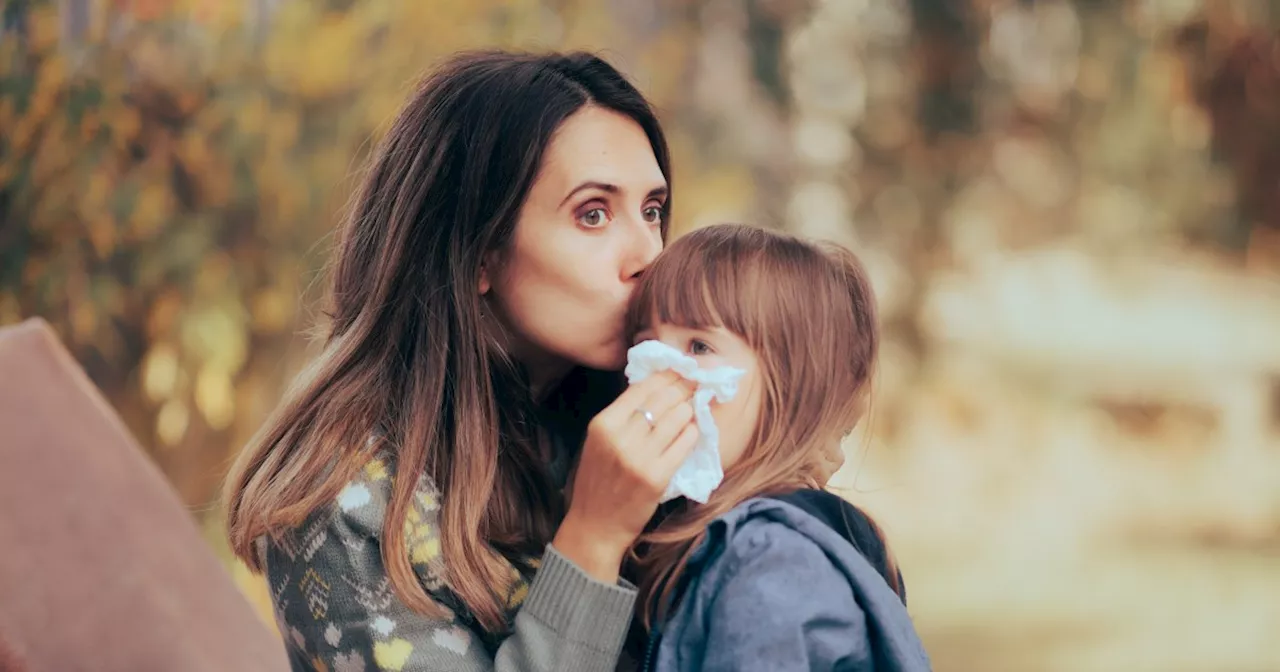
As the holiday season approaches, parents often find themselves navigating the delicate balance of social obligations and health considerations. A recent discussion with pediatrician Dr. Gabriella Dauer sheds light on when it is appropriate to bring a sick child to a gathering.
Dr. Dauer, practicing in South Florida, explains that not all symptoms necessitate missing a festive event. “A runny nose alone doesn’t scare me,” she stated in an interview with TODAY.com. She highlighted that during the colder months, many children experience runny noses due to seasonal changes or allergies. Proper hand hygiene can mitigate risks associated with these common symptoms.
However, Dr. Dauer emphasized that certain signs should warrant staying home. Children should not attend parties if they exhibit a fever, vomiting, or diarrhea. “I want 24 hours symptom-free before we are going to a party,” she noted, explaining that a fever indicates a higher contagion risk.
When it comes to measuring temperature, Dr. Dauer advises against using high-tech devices, recommending instead a standard in-ear thermometer for children over two months old. For infants under two months, she suggests taking their temperature rectally, as any fever in this age group is considered a medical emergency.
Health Guidelines for Social Events
Dr. Dauer’s recommendations align with guidelines from the U.S. Centers for Disease Control and Prevention (CDC). The CDC advises parents to keep their children at home if they experience symptoms such as:
– A fever
– Vomiting more than twice within 24 hours
– Diarrhea or unusually frequent bowel movements
– Draining skin sores
– Symptoms of respiratory viruses that are not improving
The implications of bringing a sick child to a gathering can extend beyond immediate family. As Dr. Dauer points out, “You don’t know who has a newborn at home or who is immunocompromised.” The risks associated with contagious illnesses can be significant for vulnerable individuals.
Dr. Dauer also cautioned against using medication to mask symptoms. “If your kid had a fever this morning and you gave him Motrin and it went away, that doesn’t count,” she clarified. The emphasis here is on maintaining community health and ensuring that gatherings are safe for all attendees.
As families prepare for holiday celebrations, understanding when a child is too ill to participate is crucial. Dr. Dauer’s insights provide a clear framework for parents to make informed decisions, emphasizing the importance of consideration for others in shared spaces. With proper guidelines in mind, parents can ensure that everyone enjoys the festive season while keeping health a priority.