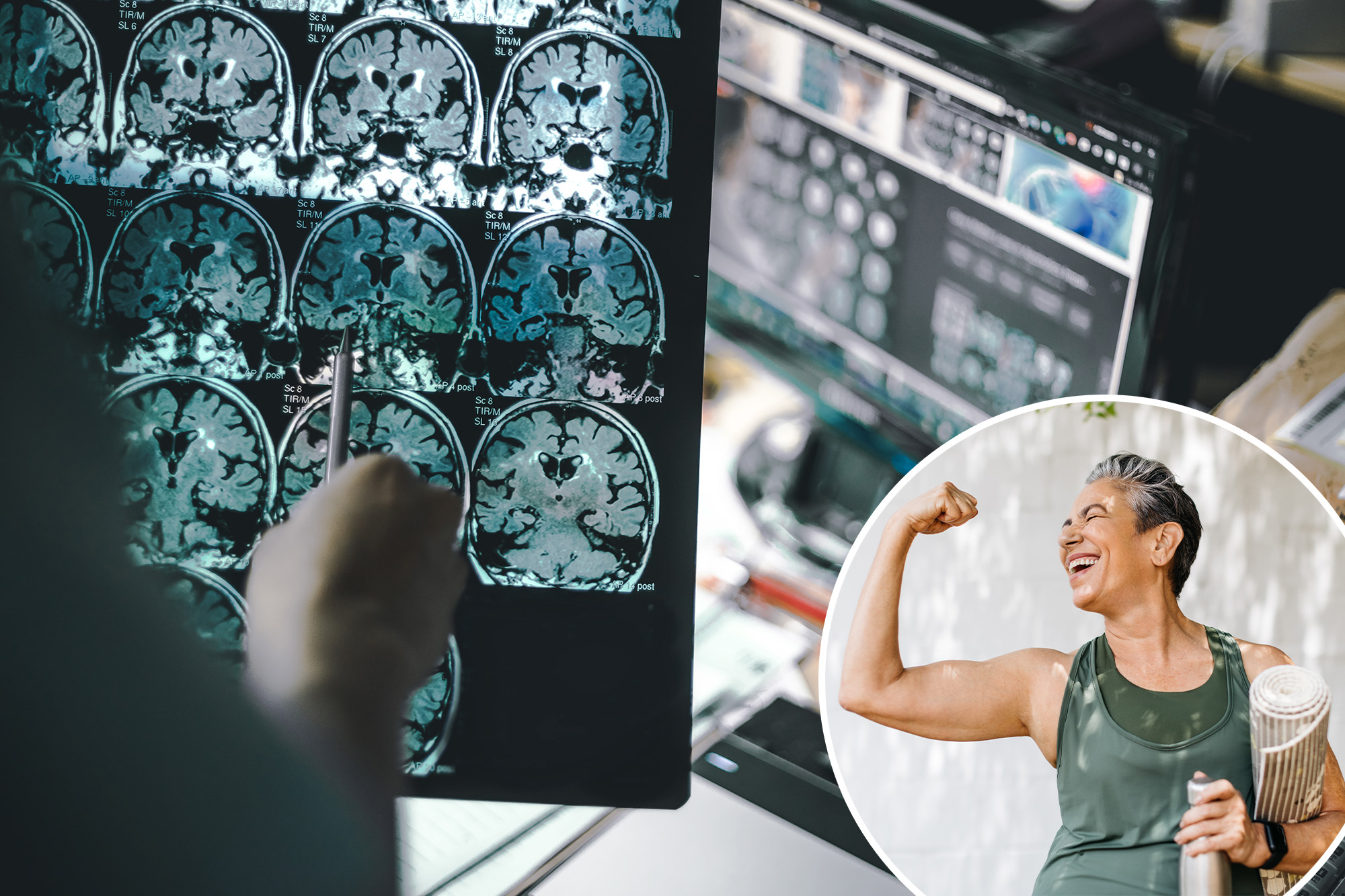
New research highlights a potential link between physical fitness and improved brain health, with implications for lowering the risk of Alzheimer’s disease. The study, led by neuroimaging scientist Dr. Cyrus Raji, examined the body composition of 1,164 healthy adults, averaging 55 years old, using advanced whole-body MRI scans. The findings suggest that muscle mass and visceral fat levels may significantly influence brain aging.
The research team utilized artificial intelligence to assess muscle and fat volumes in participants. They estimated each individual’s “brain age,” revealing that a brain that appears older than biological age could indicate accelerated cognitive decline. Conversely, a younger-looking brain is associated with better mental health. According to Dr. Raji, this biomarker may help identify individuals at risk for cognitive decline well before symptoms manifest, allowing for earlier interventions.
The analysis indicated a strong correlation between muscle mass and hidden abdominal fat, known as visceral fat. “While it is commonly known that chronological aging translates to loss of muscle mass and increased hidden belly fat, this work shows that these health measures relate to brain aging itself,” Dr. Raji stated. Participants with higher muscle mass exhibited younger-looking brains, while those with increased visceral fat showed signs of an older brain. Notably, subcutaneous fat, which lies just beneath the skin, did not appear to affect brain aging.
In light of these findings, Dr. Raji advocates for strategies aimed at increasing muscle mass and reducing visceral fat as a practical approach to enhancing brain health. He emphasized that this research supports existing theories linking body composition to cognitive function and provides a foundation for including these biomarkers in future clinical trials.
Implications for Treatment and Next-Generation Medications
The research also opens avenues for exploring metabolic interventions, including medications like GLP-1s, which include Ozempic and Wegovy. These treatments, originally developed for type 2 diabetes and obesity, work by mimicking hormones that regulate appetite, digestion, and blood sugar levels. They have gained popularity, with nearly 12% of Americans reportedly using them to aid in weight loss.
Patients prescribed these medications often experience significant weight reduction, typically shedding between 15% and 25% of their body weight. However, concerns have arisen regarding the potential loss of lean mass, which comprises muscles, bones, and organs. Research indicates that up to 40% of weight lost through GLP-1s may come from this lean mass, potentially increasing the risk of frailty and disrupting the muscle-to-visceral-fat ratio.
Given the study’s findings, Dr. Raji suggests that future formulations of GLP-1s could be developed to specifically target visceral fat while preserving muscle mass. “Losing fat — especially visceral fat — while preserving muscle volume would have the best benefit on brain aging and brain health based on insights from our work,” he said.
This research underscores the importance of quantifying MRI data to understand the relationships between body fat, muscle, and brain health better. Such knowledge may assist in establishing optimal dosing regimens for GLP-1 treatments, ultimately aiming for improved outcomes in both physical and cognitive health.
As the study illuminates the connection between body composition and brain age, it encourages individuals to adopt healthier lifestyles focused on muscle building and fat reduction. This proactive approach may not only enhance overall well-being but also significantly reduce the risk of developing neurodegenerative conditions such as Alzheimer’s disease.