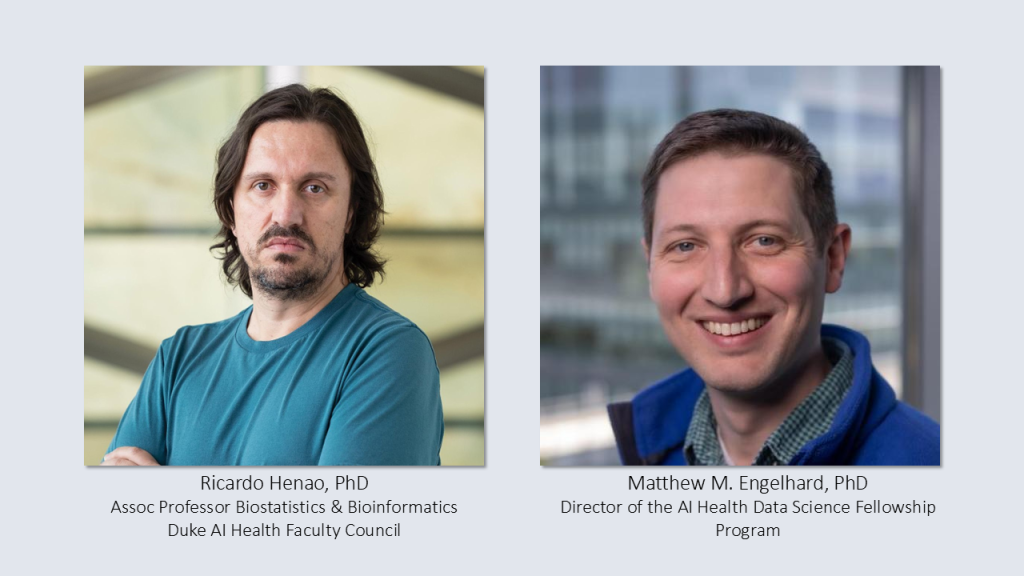
A recent study published in the journal Neonatology focuses on the application of machine learning models to enhance predictions for the risk of retinopathy of prematurity (ROP) in infants. The collaborative research involves experts from Duke University’s Department of Pediatrics, including Matthew Engelhard, PhD, and Ricardo Henao, PhD. The article, titled “Machine Learning Risk Prediction for Treated Retinopathy of Prematurity in Infants,” is available online ahead of print.
The study addresses a critical issue in neonatal care, as ROP is a significant cause of vision impairment in premature infants. Current methods for assessing the risk of ROP often rely on clinical guidelines that may not fully account for individual patient variability. The introduction of machine learning algorithms aims to improve these risk assessments by analyzing a broader range of data points.
Machine learning has the potential to revolutionize the way medical professionals predict ROP. By processing extensive datasets, these models can identify patterns and risk factors that may be overlooked in traditional evaluations. This advancement not only enhances the accuracy of predictions but also allows healthcare providers to implement timely interventions, ultimately improving patient outcomes.
In their research, Engelhard and Henao utilized data from a cohort of infants who received treatment for ROP. The machine learning models were trained to recognize patterns within this data, focusing on factors such as gestational age, birth weight, and treatment history. The results indicated a marked improvement in prediction accuracy compared to conventional methods.
The implications of this research extend beyond individual patient care. By refining the predictive capabilities for ROP, healthcare systems can allocate resources more effectively, ensuring that infants at the highest risk receive the necessary monitoring and treatment. This proactive approach could lead to a decrease in the long-term complications associated with ROP, benefiting families and healthcare providers alike.
The findings from this study highlight the growing intersection of artificial intelligence and pediatrics. As machine learning technology continues to evolve, its integration into clinical practice may transform how healthcare professionals approach various challenges, including those related to premature infants.
The authors of the study advocate for further research to validate these machine learning models in broader populations. This will be essential to ensure their applicability in diverse clinical settings. The ongoing collaboration between data scientists and pediatricians stands to enhance not only the understanding of ROP but also the overall quality of care for vulnerable infants.
In summary, the development of machine learning models for predicting retinopathy of prematurity represents a promising advancement in neonatal healthcare. As researchers continue to explore this innovative approach, the potential for improved outcomes for at-risk infants becomes increasingly tangible.