During a recent trip to Turkey, a retiree experienced firsthand the stark differences in healthcare costs between the United States and other countries. Norma Atherton, while vacationing with her husband, fell ill due to an intestinal bacteria. They sought treatment at a local emergency room, where they received timely medical care, including tests, IV fluids, and antibiotics, all for a total of $250 each within a four-hour timeframe. This experience has prompted Atherton to advocate for universal health care in the United States.
Comparing Healthcare Costs
Atherton’s experience in Turkey stands in sharp contrast to the healthcare system in the United States. She pointed out the long wait times often faced in emergency rooms, the extreme costs associated with medical tests, and the burden of medical debt that many Americans carry. Additionally, she noted the high costs of essential medications and the financial strain imposed by insurance premiums and deductibles.
As retirees, Atherton and her husband currently pay $1,070 per month for their healthcare—a cost that includes $185 each for Medicare and $700 for supplemental insurance. Atherton questions whether the implementation of a universal health care system would result in higher taxes than what they currently pay for personal insurance. She believes that many people would likely find their overall costs reduced under a universal health care model.
The Case for Medicare for All
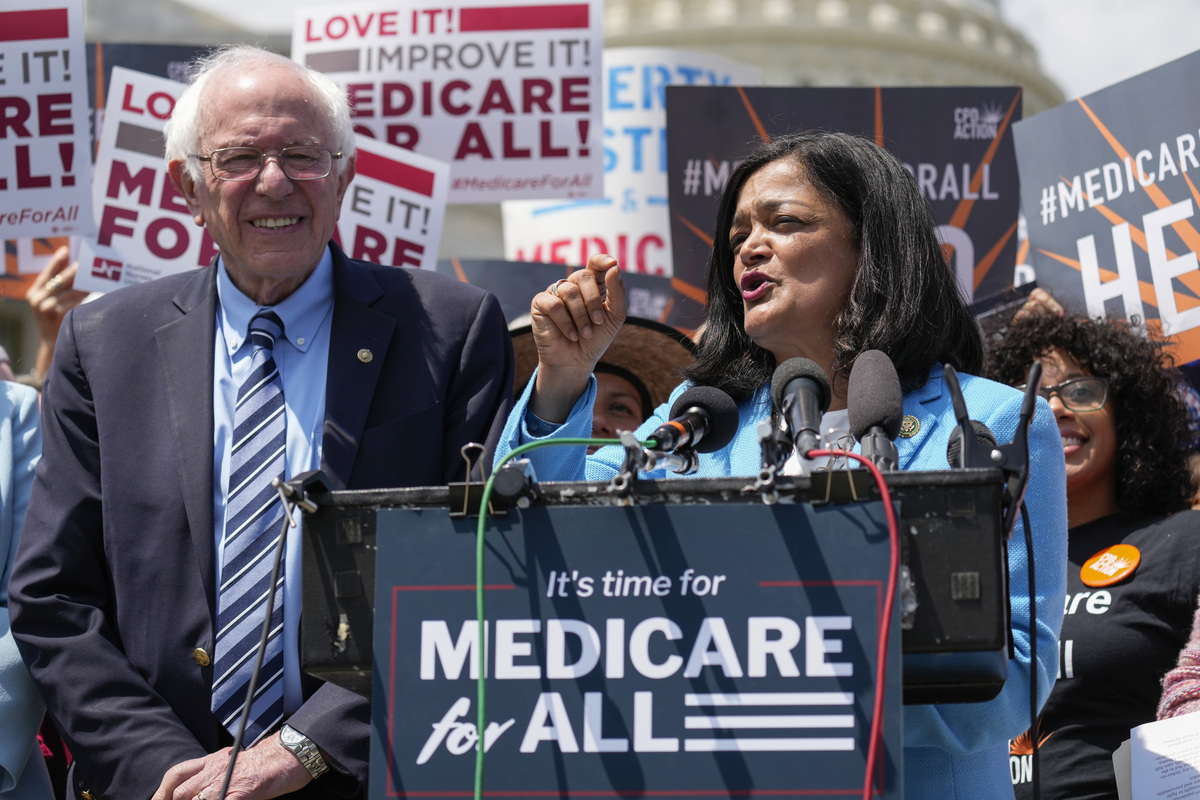
Atherton argues that a Medicare for All system could lead to less expensive and more effective healthcare for everyone. Citing her own experience, she emphasizes the potential for improved access to care and reduced financial barriers for patients. This perspective aligns with ongoing debates in the United States regarding the feasibility and benefits of universal health care.
With healthcare becoming an increasingly pressing issue, Atherton’s observations highlight the need for a closer examination of the current system and its impact on American citizens. As discussions about reform continue, her letter serves as a reminder of the potential advantages that universal health care could offer, especially to retirees facing high medical costs.