An 8-year-old boy in Taiwan recently experienced an acute gout attack, a diagnosis that surprised his family given the condition’s historical association with middle-aged and elderly adults. This case highlights a concerning trend: gout is increasingly affecting younger populations, including children. Medical professionals are raising alarms as the global prevalence of this condition is projected to rise by more than 70 percent between 2020 and 2050, according to a study published in The Lancet Rheumatology.
The young boy presented with a body mass index (BMI) of 27, which categorizes him as overweight. His family’s concern grew when he began to limp, prompting a visit to the doctor. The diagnosis revealed not only gout but also several chronic health issues, underscoring the complexities that can arise from obesity in childhood.
Understanding Gout and Its Symptoms
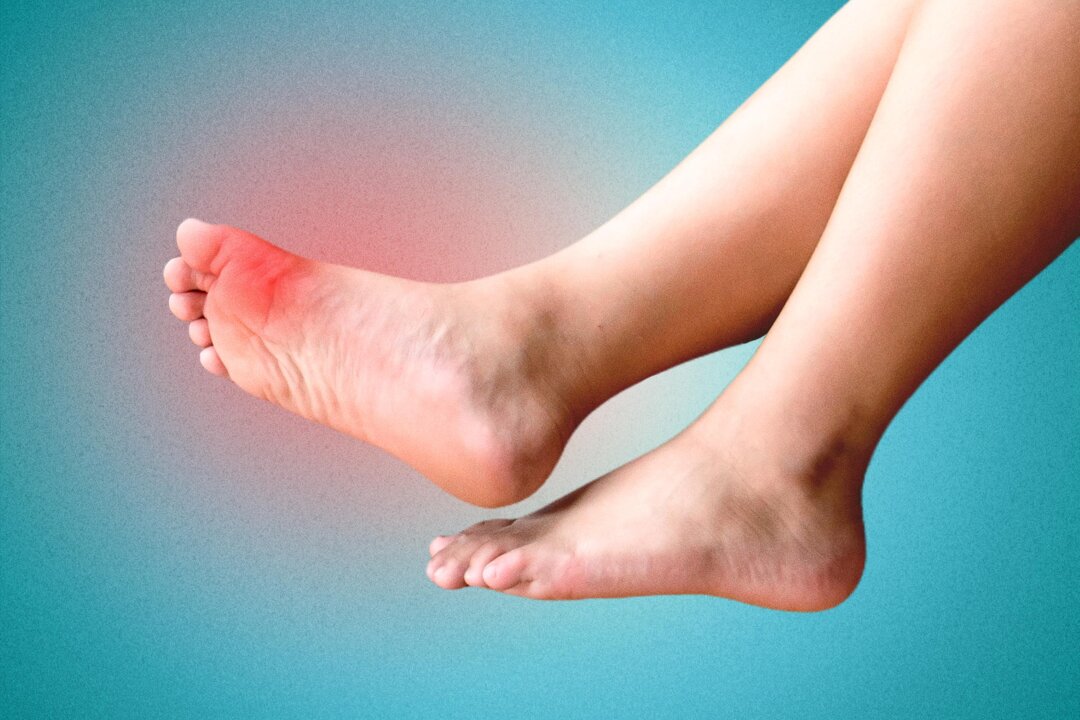
Gout is a form of inflammatory arthritis that occurs when uric acid accumulates in the body, forming sharp crystals in the joints. Traditionally viewed as a disease affecting older adults, its rise among younger individuals is alarming. Symptoms typically include intense burning sensations, swelling, and severe pain in the affected joints, often starting at night or in the early morning hours.
Gout attacks can be debilitating, leading to a significant impact on quality of life. The condition is not only painful but can also lead to long-term joint damage if left untreated. The increasing incidence of gout in younger populations may be linked to rising obesity rates, dietary choices, and sedentary lifestyles.
Natural Solutions for Relief and Uric Acid Balance
For individuals experiencing gout, several natural remedies can help alleviate pain and manage uric acid levels. While immediate medical treatment may be necessary during acute attacks, incorporating lifestyle changes can significantly improve overall health.
1. **Dietary Adjustments**: Reducing the intake of purine-rich foods, such as red meat and shellfish, can help lower uric acid levels. Increasing the consumption of fruits, vegetables, and whole grains is also beneficial.
2. **Hydration**: Drinking plenty of water helps dilute uric acid in the bloodstream, promoting its excretion through urine.
3. **Weight Management**: Achieving a healthy weight can reduce the risk of gout attacks. This is particularly important for children, as demonstrated by the case of the young boy in Taiwan.
4. **Exercise**: Regular physical activity can aid in weight management and overall health, potentially decreasing the frequency of gout attacks.
5. **Herbal Remedies**: Some studies suggest that certain herbs, like ginger and turmeric, may have anti-inflammatory properties that can provide relief.
As the rise of gout among younger individuals continues, awareness and education about this condition are crucial. Families, healthcare providers, and communities must work together to promote healthier lifestyles to mitigate the impact of gout and prevent its escalation among future generations.