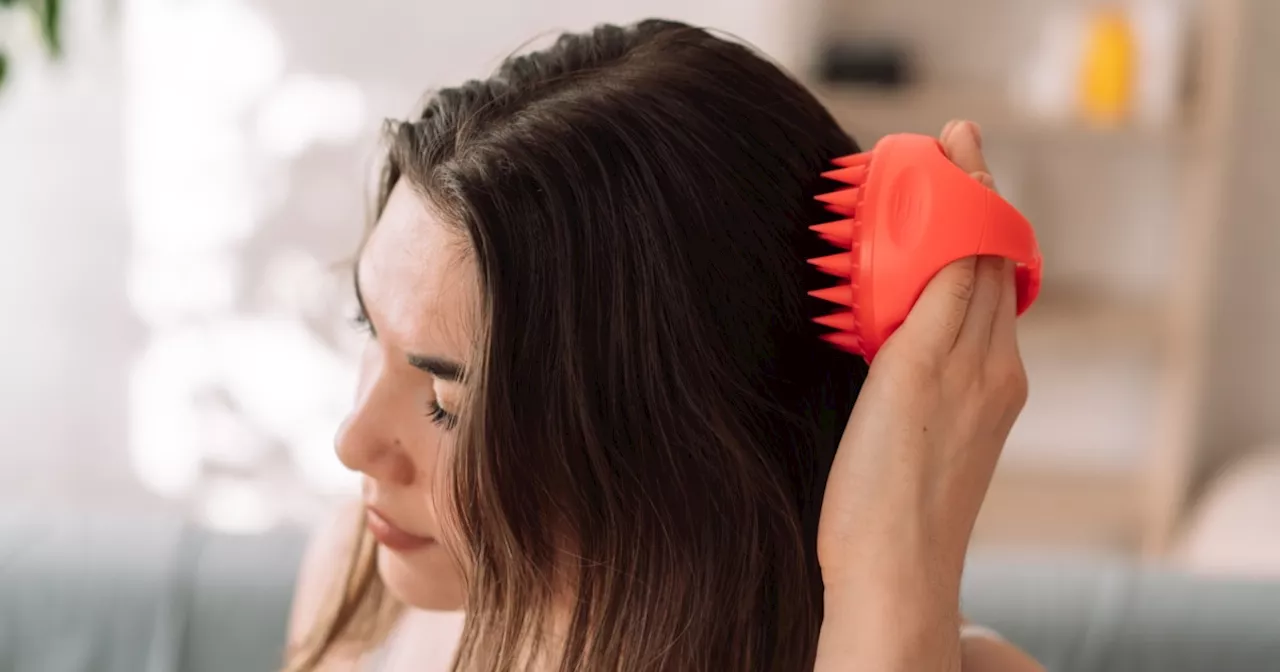
Research suggests that maintaining a healthy scalp is crucial for optimal hair growth. According to Dr. Craig Ziering, a board-certified dermatologist and hair transplant surgeon based in California, the health of the scalp directly influences the strength, shine, and thickness of hair. This insight has led to increasing interest in the use of scalp massagers, tools designed to enhance blood circulation to hair follicles while minimizing potential damage.
Scalp massagers, equipped with soft, flexible bristles, can effectively exfoliate the scalp by removing dead skin cells and excess sebum. Dr. Margarita Lolis, a board-certified dermatologist at Schweiger Dermatology Group, emphasizes the importance of these tools not only for improving scalp health but also for redistributing natural oils throughout the hair. Regular use can create a more conducive environment for hair growth.
Research supports the notion that scalp massagers can contribute to healthier hair. A small-scale study conducted in 2016 demonstrated that men who engaged in a daily four-minute scalp massage over six months experienced increased hair thickness. Another study published in 2019 indicated that scalp massage may aid in alleviating conditions such as alopecia. William Gaunitz, a certified trichologist and the founder of Advanced Trichology, notes that while scalp massagers may not be a standalone solution for hair growth, they can help reduce inflammation and stimulate blood flow, thereby fostering a healthier scalp environment.
For individuals looking to incorporate scalp massagers into their hair care routine, experts recommend using them three times a week for approximately 15 minutes, preferably before showering. Gaunitz suggests that this practice enhances blood circulation and prepares the scalp for subsequent hair care treatments, such as shampoos and topical serums.
Choosing the Right Scalp Massager
When selecting a scalp massager, it is important to consider the different types available. Scalp brushes, which feature thinner bristles, are primarily designed for exfoliation and the removal of flakes, while scalp massagers with thicker bristles promote circulation during showering and assist in product absorption.
Experts advise looking for tools with gentle bristles to prevent irritation and damage to hair follicles. Dr. Azza Halim, a board-certified physician specializing in topical treatments, cautions against using regular hair brushes for scalp massage, as they may cause breakage and stress to the hair.
Several products have received commendations from both experts and users. The Ocoa scalp massager, favored by NBC Select updates editor Mili Godio, is noted for its soft silicone bristles that minimize hair breakage. Another recommended option is a flexible brush that adapts to the scalp’s contour, making it suitable for various hair types, including fine and coily hair.
For those seeking more intense exfoliation, the Jupiter scalp brush comes highly recommended for individuals with dandruff or oily hair. It offers firm yet gentle bristles ideal for regular use. Additionally, a vibrating scalp massager, such as the Comfier Cordless Hair Scalp Massager, provides varying intensity settings, appealing to users who enjoy the sensation of a massage.
Consulting Experts for Personalized Care
Before selecting a scalp massager or brush, individuals should consider their specific hair type and scalp condition. It is advisable to consult with a healthcare professional or a dermatologist to evaluate whether additional treatments, such as scalp exfoliation or hydration, are warranted.
Experts stress that selecting products with soft, flexible bristles is vital to prevent tension on the scalp, which can lead to hair loss and increased sensitivity. By prioritizing gentle care and consulting with professionals, individuals can enhance their hair care routines and support healthy growth.
The insights presented here are based on consultations with various experts in the field, including dermatologists and trichologists. Their recommendations aim to guide individuals toward effective scalp care practices and suitable products tailored to diverse hair types and scalp conditions.