WASHINGTON — As the deadline for health care decisions approaches, the United States Senate is grappling with rising health care costs without a clear legislative path. Senators from both parties recognize the urgency, yet they remain divided on how to address the impending expiration of subsidies tied to the Affordable Care Act (ACA) marketplace.
Negotiations are intensifying as both Republicans and Democrats prepare to vote next week on potential legislation that could impact millions of Americans. However, as of Tuesday, party leaders had not finalized the details of their proposals. This uncertainty leaves tens of millions of Americans facing complex choices as the open enrollment period concludes on December 15, 2023.
According to analysis from the nonpartisan health organization KFF, average premium costs for ACA marketplace plans are projected to rise by 26% next year. Failure to extend enhanced tax credits could lead to an alarming 114% increase in monthly payments for those receiving subsidies.
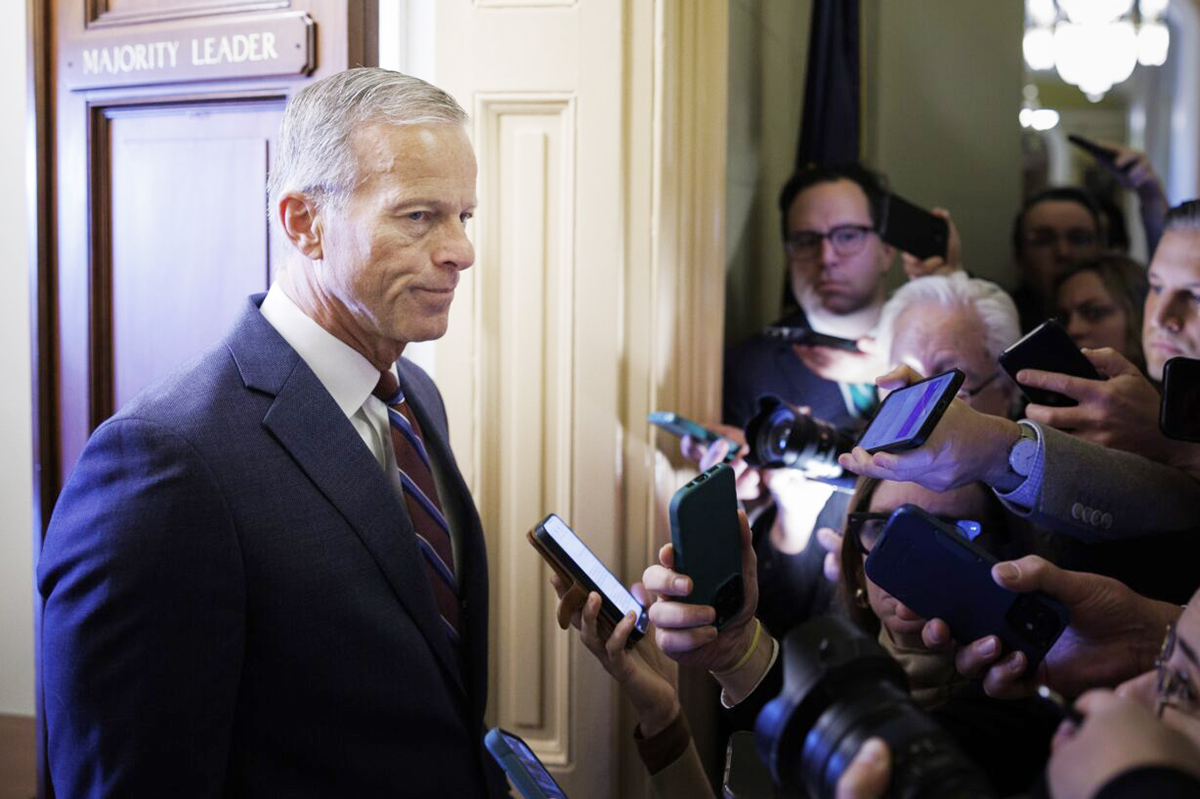
Senate Majority Leader John Thune expressed frustration about the lack of bipartisan cooperation, stating, “I don’t think at this point we have a clear path forward.” He acknowledged that no consensus exists among Senate Republicans on how to proceed, which complicates efforts to provide relief to constituents.
Despite the challenges, Democrats are expected to propose a bill aimed at extending enhanced tax credits for ACA enrollees. The specifics of this proposal, including whether it will extend credits for a year or longer, remain unclear. Thune confirmed that a vote on a Democratic health care proposal is assured, following negotiations that allowed a small group of Democratic senators to influence the spending package which ended the government shutdown.
On the Republican side, efforts are underway to unify around a separate health care plan. Although GOP leaders recognize that their proposal may not secure the necessary 60 votes to overcome the legislative filibuster, discussions led by Finance Committee Chairman Mike Crapo and Health, Education, Labor and Pensions Committee Chairman Bill Cassidy continue to evolve.
Senate Minority Leader Chuck Schumer indicated that Democrats have a strategy in place but remained vague about the particulars, stating, “Stay tuned. We had a great discussion and I will tell you this: We will be focused like a laser on lowering people’s costs.”
Republican Senator Shelley Moore Capito described discussions among her colleagues as “vigorous,” yet a cohesive strategy has yet to be established. Capito expressed optimism that a bill aimed at reducing health insurance premiums could be presented next week, although it remains unfinalized.
The lack of clarity extends to whether senators will consider extending the open enrollment period or provide additional opportunities for Americans to select insurance if a health care bill is passed. Democratic Senator Jeanne Shaheen noted that bipartisan support seems unlikely for any proposals regarding enhanced ACA subsidies before the upcoming vote.
North Dakota Senator John Hoeven shared concerns about reaching a significant bipartisan agreement in time. He emphasized that while negotiations continue, it is probable that any proposed legislation would not pass, leading to further discussions in December or January. Hoeven stated, “We’re very mindful of the timeline,” as decisions made now will affect health care access in the coming year.
The impending expiration of ACA subsidies highlights the urgent need for a legislative solution as millions of Americans prepare to navigate a potentially perilous health care landscape. Without timely action from Congress, many may face higher costs and limited options, underscoring the significance of bipartisan cooperation in addressing health care affordability.