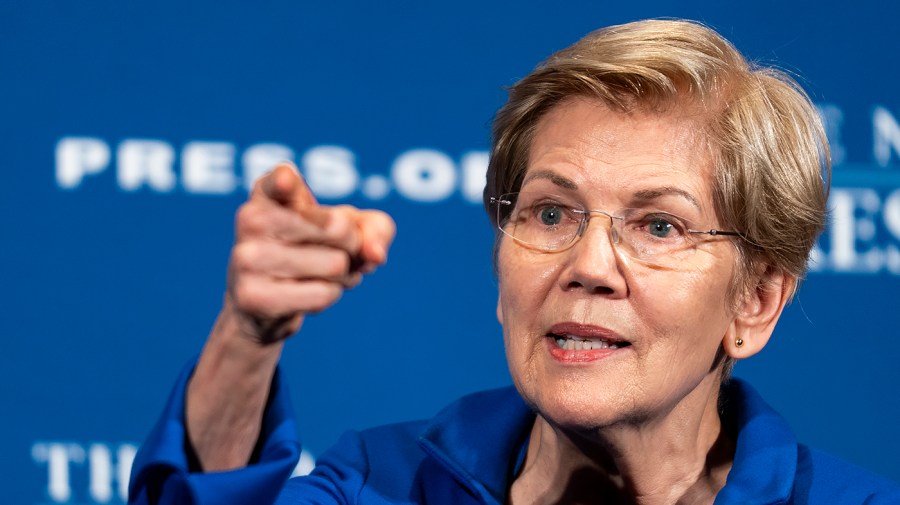
United States Senators Elizabeth Warren (D-Mass.) and Josh Hawley (R-Mo.) have introduced bipartisan legislation aimed at dismantling what they term “big medicine.” This initiative targets large healthcare conglomerates that dominate multiple facets of the industry, including pharmacy benefit managers (PBMs), which serve as intermediaries between insurers and pharmaceutical manufacturers.
Legislation Details and Objectives
The proposed legislation seeks to address the growing concentration of power within the healthcare sector. By targeting companies that own both PBMs and pharmacies, the senators aim to enhance competition and transparency in a system they argue is currently skewed in favor of corporate interests over consumer needs.
Senator Warren emphasized the potential benefits of this legislation, stating that it would “create a fairer healthcare system” that prioritizes patients over profits. Senator Hawley echoed this sentiment, remarking on the need to “break down monopolistic practices” that limit access to affordable healthcare options.
The bill comes at a time when healthcare costs continue to rise, with Americans facing increased out-of-pocket expenses for medications and treatments. According to a recent report, nearly one in four Americans have difficulty affording necessary prescription drugs. The senators argue that reducing the influence of conglomerates could lead to decreased prices for consumers.
Industry Response and Potential Impact
The introduction of this legislation has sparked a range of reactions from healthcare advocates and industry stakeholders. Supporters believe that breaking up large conglomerates could foster innovation and improve service delivery. Critics, however, warn that such measures might lead to unintended consequences, potentially destabilizing existing healthcare arrangements.
Industry representatives have already voiced concerns, suggesting that increased regulation could hinder efficiency and compromise the quality of care. The outcome of this legislation will depend on ongoing negotiations and discussions among lawmakers, industry leaders, and consumer advocates.
As the debate unfolds, the implications for patients and healthcare providers alike remain significant. Should the bill advance, it may set a precedent for how the United States addresses healthcare monopolies in the future. The legislation underscores a growing bipartisan concern over the influence of corporate power in the health sector and aims to reshape the landscape for millions of Americans seeking affordable healthcare solutions.