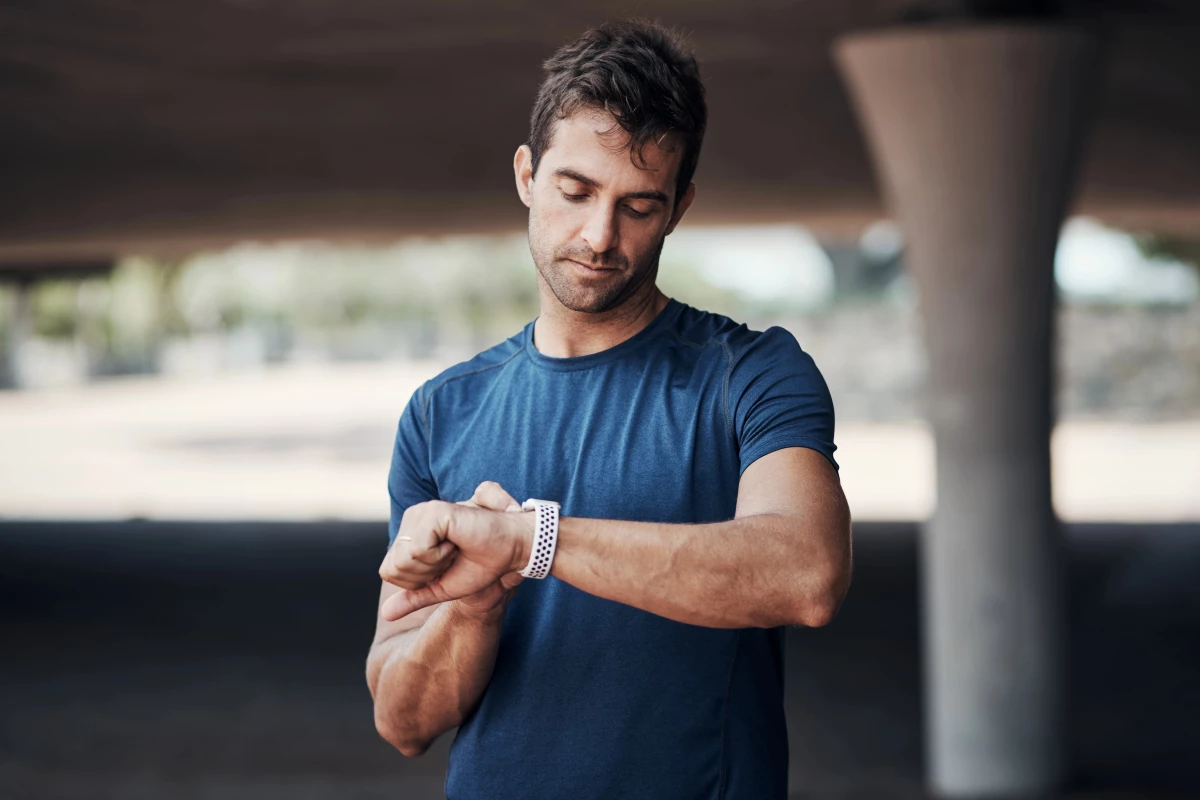
Recent research has demonstrated that even minimal daily exercise can significantly enhance longevity. Two large studies published in reputable journals indicate that just five minutes of moderate physical activity may lead to a substantial reduction in mortality rates among adults. This revelation is particularly encouraging for those who struggle to find time for extensive workouts.
The first study, published in The Lancet, analyzed the health records of over 135,000 individuals from the UK, Sweden, Norway, and the United States. Participants were monitored for an average of eight years. Researchers found that adding merely five minutes of moderate physical activity daily, such as walking briskly at approximately 3 mph (5 km/h), was associated with a 10% decrease in mortality rates among most adults. For the least active individuals, this additional five minutes correlated with a 6% reduction in mortality.
As the duration of exercise increased, the benefits became even more pronounced. When participants engaged in ten minutes of activity, the mortality rate decreased by 15% for average adults and 9% for those who were the least active. Additionally, the research indicated that reducing sedentary time by 30 minutes each day was linked to an approximate 7% decrease in mortality, increasing to 13% with a one-hour reduction.
Synergistic Effects of Lifestyle Changes
The second study, which appeared in eClinicalMedicine, examined the combined impact of small lifestyle changes on longevity. Researchers analyzed data from nearly 60,000 people recruited for the UK Biobank study between 2006 and 2010. They discovered that small adjustments—such as an extra five minutes of sleep, half a serving of vegetables, and two minutes of moderate activity—could theoretically add an extra year of life for those with the worst lifestyle habits.
This study is pioneering in quantifying the minimum combined improvements in diet, sleep, and exercise necessary to extend life. For individuals with poor habits, the researchers found that achieving the one-year extension would require a substantial increase in sleep alone—up to five times the current amount. Notably, strong practices in diet, sleep, and exercise could lead to an even more dramatic impact on lifespan, with over nine additional years linked to those who maintained a healthy diet, slept seven to eight hours, and engaged in over 40 minutes of moderate to vigorous activity each day.
The researchers emphasize the importance of the synergistic effects of these lifestyle factors. Each element—diet, sleep, and physical activity—contributes to an overall healthier life, reinforcing the idea that improvements in all areas can yield significant rewards.
While these findings establish a connection between certain behaviors and longevity, it is essential to note that they do not prove causality. The studies provide a compelling argument for incorporating even small amounts of exercise into daily routines, making health and longevity more accessible for everyone.