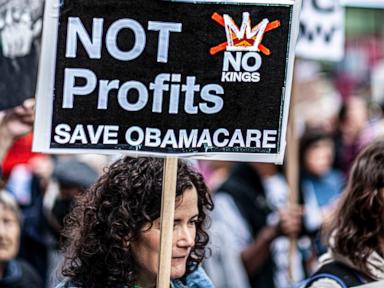
Rising premiums under the Affordable Care Act (ACA) are pushing many policyholders to reconsider their healthcare options. Colorado resident Astrid Storey, a thyroid cancer patient, faces a nearly $500 increase in her monthly premiums for 2026. She is now contemplating leaving the United States for a country with universal healthcare. In Florida, Nathan Boye, who has diabetes, is facing a staggering jump in his monthly premium from $28 to over $700, leading him to consider dropping his health insurance altogether.
These significant increases come as the enhanced premium tax credits that currently assist around 22 million of the 24 million ACA marketplace enrollees are set to expire at the end of this year. The tax credits were originally part of the ACA and were expanded during the COVID-19 pandemic through the American Rescue Plan. Without these financial supports, many families are finding that their healthcare options may no longer be affordable.
In Illinois, Doug Butchart faces a similar crisis. His wife, Shadene, suffers from amyotrophic lateral sclerosis (ALS). Butchart has received notification that her ACA premiums will rise to nearly $2,000 monthly, alongside a deductible exceeding $8,000. He expressed deep concern, noting that their healthcare expenses could exceed his monthly Social Security income.
While the political landscape complicates matters, with Congress embroiled in a government shutdown, the urgency of the situation for these families grows. The ongoing stalemate has left many feeling trapped between political maneuvering and their health needs. The majority of Democrats are pushing for the extension of ACA subsidies, while Republican leaders insist that negotiations cannot begin until a clean funding bill is passed.
Storey, who does not qualify for the ACA tax credits, is facing a premium increase from $1,400 to nearly $1,900. She voiced her frustration, stating, “The American dream is a disappointment when it comes to healthcare.” As a mother and small business owner, Storey has already had to make adjustments, including her husband taking a part-time job to help cover costs. She worries that if her premiums reach $2,500, she may have to leave the country altogether.
Boye’s situation highlights the financial strain many families are experiencing. He currently pays $28 a month for his ACA plan, but was recently informed that without financial help, he would see a 2,518% increase in his premiums. After researching alternative plans, he found one that would cost $113 per month, contingent on receiving a $620 tax credit. Layoffs earlier this year due to tariffs have added to his challenges, as he balances part-time work with his pursuit of a business administration degree.
The Butcharts have taken their plight to Washington, D.C., advocating for change with congressional leaders. Doug Butchart emphasized the real impact of these policies, stating, “It’s real people that all of this is affecting.” His wife’s main medication costs approximately $15,000 per month, and without the tax credits, their financial burden could become unmanageable.
Health insurance providers like Blue Cross Blue Shield have cited a rise in care utilization and complexity among ACA members as a reason for the premium increases. They acknowledge the financial strain but assert that these adjustments are necessary to reflect anticipated healthcare needs.
As the deadline for enrollment approaches, many families are left in limbo, uncertain about their future healthcare options. The looming expiration of enhanced tax credits has heightened anxiety among policyholders, compelling them to explore alternative solutions. The situation underscores the urgent need for a resolution that addresses the healthcare affordability crisis in the United States.