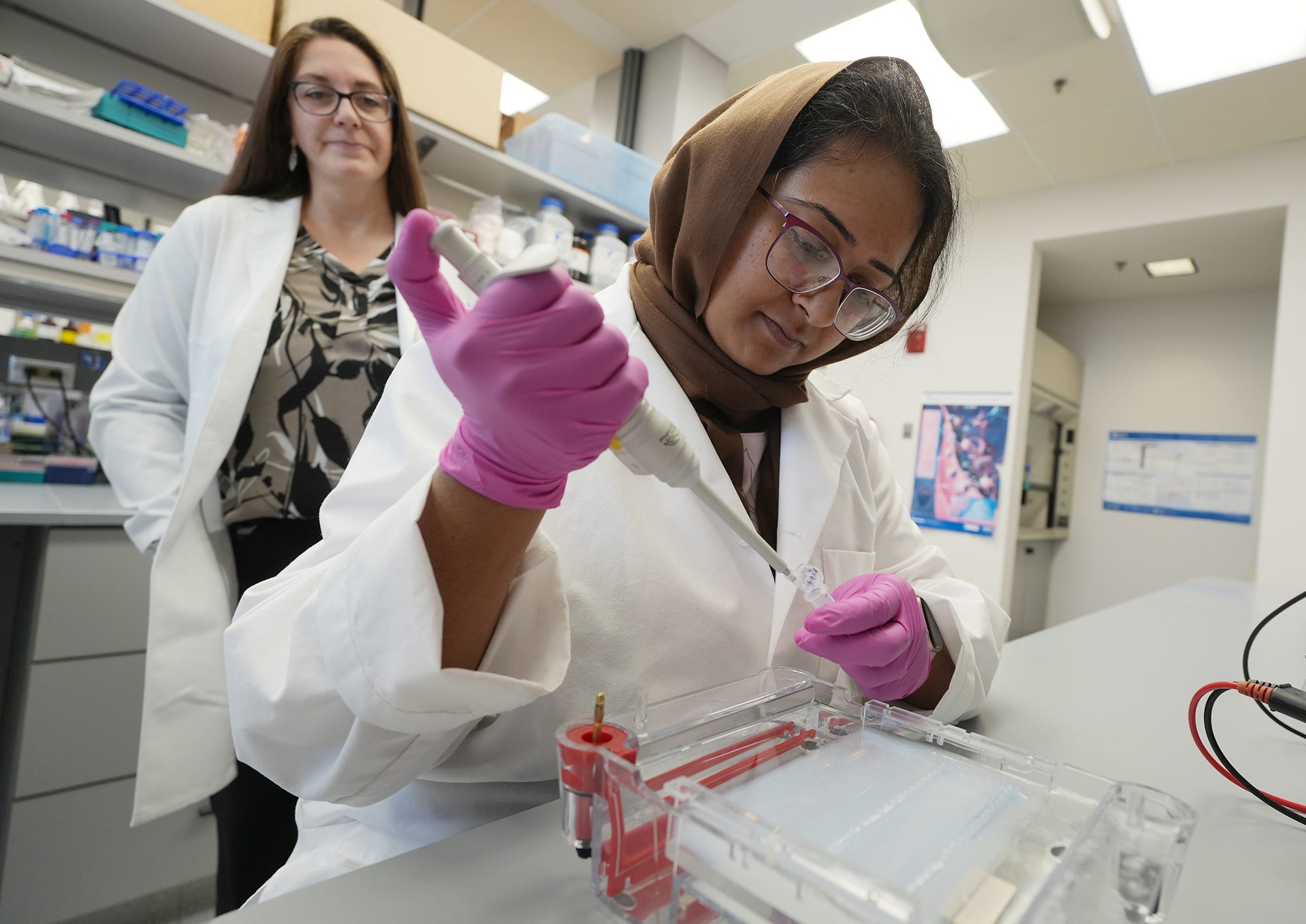
As clocks spring forward one hour on March 8, 2024, many individuals may experience increased feelings of sleepiness and fatigue. This phenomenon is not merely anecdotal; research indicates that the biannual time change can significantly disrupt our natural sleep patterns. Jessica Ferrell, an assistant professor at Northeast Ohio Medical University (NEOMED), studies the effects of time changes on human health and emphasizes the potential risks associated with this shift.
Ferrell’s interest in the impact of time changes began during her doctoral studies at Kent State University, and her findings highlight that the disruption caused by shifting our clocks does not align with our internal biological rhythms. “The actual time change will cause a lot of feelings of sleepiness and sleep deprivation effects,” Ferrell explained. According to her research, the adjustment often leads to a circadian misalignment, which can have long-term health implications.
Understanding Circadian Disruption
Human beings are diurnal creatures, naturally active during daylight hours and inactive at night. The practice of changing clocks twice a year was implemented in the past to conserve energy. However, Ferrell and her colleagues argue that this practice may actually be detrimental to our health. “We have an internal clock in our brain located in the hypothalamus,” she noted, explaining how this cluster of neurons regulates various bodily functions.
Research conducted by Ferrell’s team includes sleep deprivation models that demonstrate how such disruptions can lead to metabolic diseases, including obesity and Type 2 diabetes. “Those who engage in shift work are at a higher risk for these diseases,” she added. The negative effects of circadian disruption extend beyond metabolic issues; studies have linked these changes to increased incidences of cardiovascular disease, certain cancers, and neurological disorders such as Alzheimer’s disease.
Health Risks Linked to Time Changes
The transition to daylight saving time in spring is particularly concerning. Research indicates a spike in heart attack rates, stroke incidents, workplace accidents, and traffic collisions immediately following the spring time change. For example, several studies have shown that heart attack rates can increase significantly after the clocks spring forward, while rates often decrease when transitioning back to standard time in the fall.
Ferrell emphasizes the importance of early morning light exposure in maintaining healthy circadian rhythms. “When we shift our clocks by an hour, the hormones and neural signals that help our body adjust do not shift accordingly,” she clarified. This misalignment can leave individuals feeling out of sync, compounding the effects of sleep deprivation.
Making daylight saving time permanent may not be a viable solution, according to Ferrell. She advocates for maintaining standard time as the most evidence-based approach to support public health. “The spring-forward change is really where most of the damage is done,” she stated.
In conclusion, as the time change approaches, awareness of its potential health impacts is essential. Individuals may benefit from strategies to mitigate the effects of sleep disruption, such as prioritizing early exposure to natural light and maintaining consistent sleep schedules. As Ferrell and her research team continue to explore the implications of sleep deprivation, their findings underscore the need for a careful reassessment of time-changing practices in modern society.