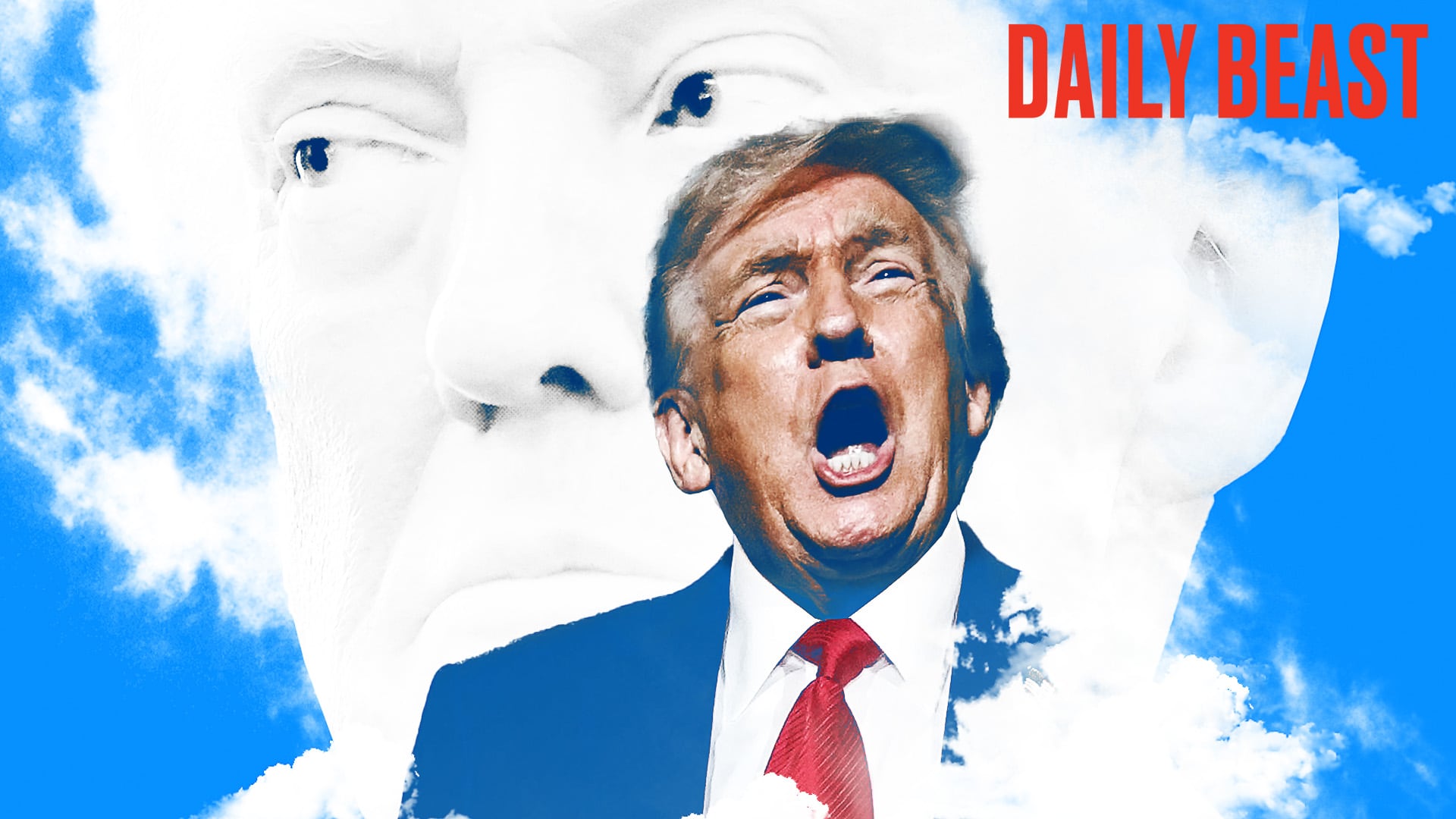
The psychological well-being of former President Donald Trump has come under scrutiny as he reportedly expresses increasing fears about his mental decline. According to psychologist Dr. John Gartner, Trump’s anxiety stems from concerns that his cognitive health issues could trigger the invocation of the 25th Amendment. This constitutional provision allows for the transfer of presidential power in cases of incapacity, and its potential application has become a topic of discussion.
Concerns Raised During Podcast Discussion
Dr. Gartner appeared on The Daily Beast Podcast, where he commented on a recent article in the Wall Street Journal. In that article, Trump discussed his health, mentioning the use of compression socks for swollen ankles and expressed frustration over the ongoing discussions about his health. He claimed that his health was “perfect,” despite acknowledging that this was not the first time the topic had arisen.
“We’re talking about it for the 25th time because people keep saying it’s 25th Amendment time,” said Gartner, highlighting the growing concern surrounding Trump’s mental acuity.
Dr. Gartner, who has previously suggested that Trump shows “clinical signs of dementia,” indicated that the former president’s paranoia about losing power may be linked to his declining physical and cognitive health. He noted that stories about Trump’s health provoke significant anger in the former president, who feels compelled to project strength as he grapples with these challenges.
Psychological Insights Into Trump’s Behavior
Gartner explained that as cognitive decline progresses, symptoms such as paranoia may intensify. He emphasized that this paranoia can manifest in feelings of being threatened, particularly as Trump appears to confront perceived enemies more aggressively during his second term. White House Chief of Staff Susie Wiles referred to this behavior as “retribution.”
One instance of this behavior surfaced when Trump took to Truth Social to urge Attorney General Pam Bondi to prosecute former FBI director James Comey and others he views as adversaries. Dr. Gartner suggested that Trump might be exhibiting signs of “frontotemporal dementia,” a condition that affects the frontal lobes and can lead to impulsive and erratic behavior rather than just memory loss.
“We have this person who has virtually absolute power and no guardrails, who, in a demented state, is impulsively being driven to act out in these paranoid and destructive ways,” Gartner stated.
In a striking example of his assertive stance, Trump recently announced plans for the U.S. to assume control over Venezuela following the capture of its leader, Nicolás Maduro. He even claimed the U.S. would seize Venezuelan oil and may turn its attention to Cuba, suggesting a dramatic shift in U.S. foreign policy.
Gartner pointed out that Trump’s statements could reflect cognitive confusion, leading to actions that may not align with reality. Despite these claims, Trump asserted on March 15, 2024, that he “ACED” his cognitive test, maintaining he is in “PERFECT HEALTH.”
In response to inquiries about the former president’s mental state, White House Assistant Press Secretary Liz Huston reiterated that Dr. Sean Barbabella, Trump’s physician, has consistently affirmed the president’s overall health. Huston criticized media narratives about Trump’s health, contrasting them with what she described as a lack of coverage regarding President Joe Biden’s health.
Dr. Gartner highlighted that the MoCA (Montreal Cognitive Assessment) test is not typically repeated unless monitoring for dementia is underway. He advised those observing Trump’s behavior to consider the implications of his mental state seriously, recommending that they “invoke the 25th Amendment” if necessary.
The ongoing discussions surrounding Trump’s health reflect broader concerns about leadership and accountability in U.S. governance. As debates continue, many are left questioning the implications of a leader who may be struggling with significant cognitive challenges.