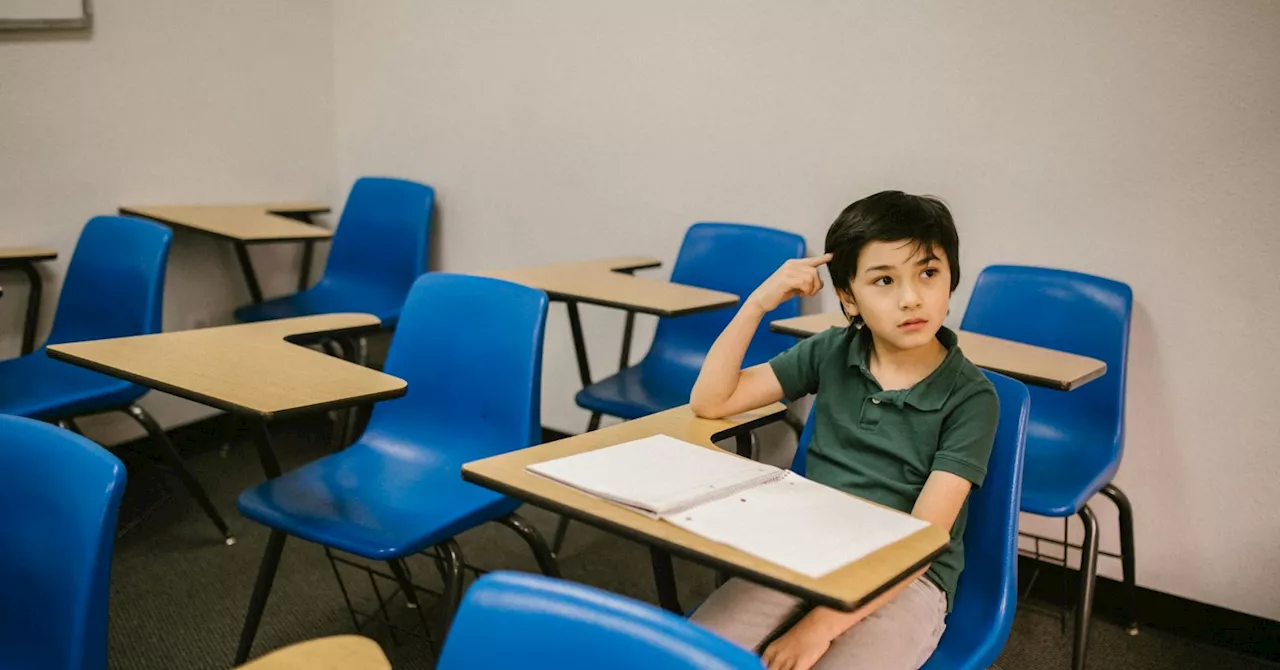
An emerging understanding of the relationship between a child’s learning capacity and their environment highlights the significance of stress and regulation on cognitive functioning. Research indicates that factors beyond a child’s willpower can inhibit their ability to focus, emphasizing the need for optimal conditions to foster effective learning.
The concept of the “window of tolerance” serves as a valuable framework for understanding this dynamic. Each individual has a specific range within which they can think clearly, connect with others, and absorb new information. When students are within this window, their brains can process thoughts and form memories effectively. Conversely, when stress levels exceed this threshold, cognitive functions shift from learning to survival, as explained by renowned neuroscientist Dan Siegel. He describes this phenomenon as “flipping your lid,” where the brain’s capacity for reasoning and impulse control diminishes, leading to increased reactivity.
This shift in function can explain why traditional methods—such as reasoning, reminders, or consequences—often fail in moments of overwhelming stress. When a student operates outside their window of tolerance, their ability to engage in learning diminishes significantly. This is not a matter of choice but rather an outcome determined by biology and individual capacity.
Variations in the width of the window of tolerance exist among individuals. Some can manage higher levels of stimulation or stress before becoming dysregulated, while others may experience overwhelm more quickly. Factors such as chronic stress, illness, lack of sleep, and neurodivergence can all contribute to a narrower window. It is essential to recognize that these variations are not character flaws but rather biological responses to external stimuli.
Understanding the role of the environment in shaping learning conditions is crucial. Erin Peavey, an architect and design researcher at HKS, emphasizes the interplay between our surroundings and our ability to regulate our nervous systems. Environmental elements such as noise, unpredictability, visual clutter, and frequent transitions demand energy to manage and can impede the learning process.
When students feel safe and secure, their brains are better poised to engage with learning materials. If they do not feel safe, then motivation or discipline alone cannot compensate for the lack of regulation. This understanding does not diminish expectations for students. Rather, it clarifies what conditions are necessary for effective learning to occur.
The implications of this research extend beyond individual students to the broader educational landscape. As classrooms and learning environments are designed, it becomes essential to consider how these spaces can foster regulation and support learning. By taking the environmental factors seriously, educators can create conditions that enhance students’ capacity to learn and thrive.
The findings are supported by research published in the journal Mind Brain Education in March 2021, which explores the relationship between stress and learning in students. Such insights not only inform teaching practices but also push for re-evaluating how educational environments are structured to promote better cognitive outcomes.
Ultimately, recognizing that regulation is a precondition for learning shifts the focus towards creating supportive environments. This approach not only benefits students but also enhances the educational experience for teachers and families alike. As research continues to illuminate the intricate connections between environment, stress, and learning, it becomes increasingly clear that fostering optimal conditions is vital for nurturing the next generation’s potential.