A novel therapy targeting sepsis-induced acute respiratory distress syndrome (ARDS) is set to undergo a first-in-human clinical trial, as announced by the University of Virginia (UVA) on January 21, 2026. This groundbreaking study aims to address life-threatening conditions associated with severe inflammation and immune system overreactions, which currently lack effective treatment options.
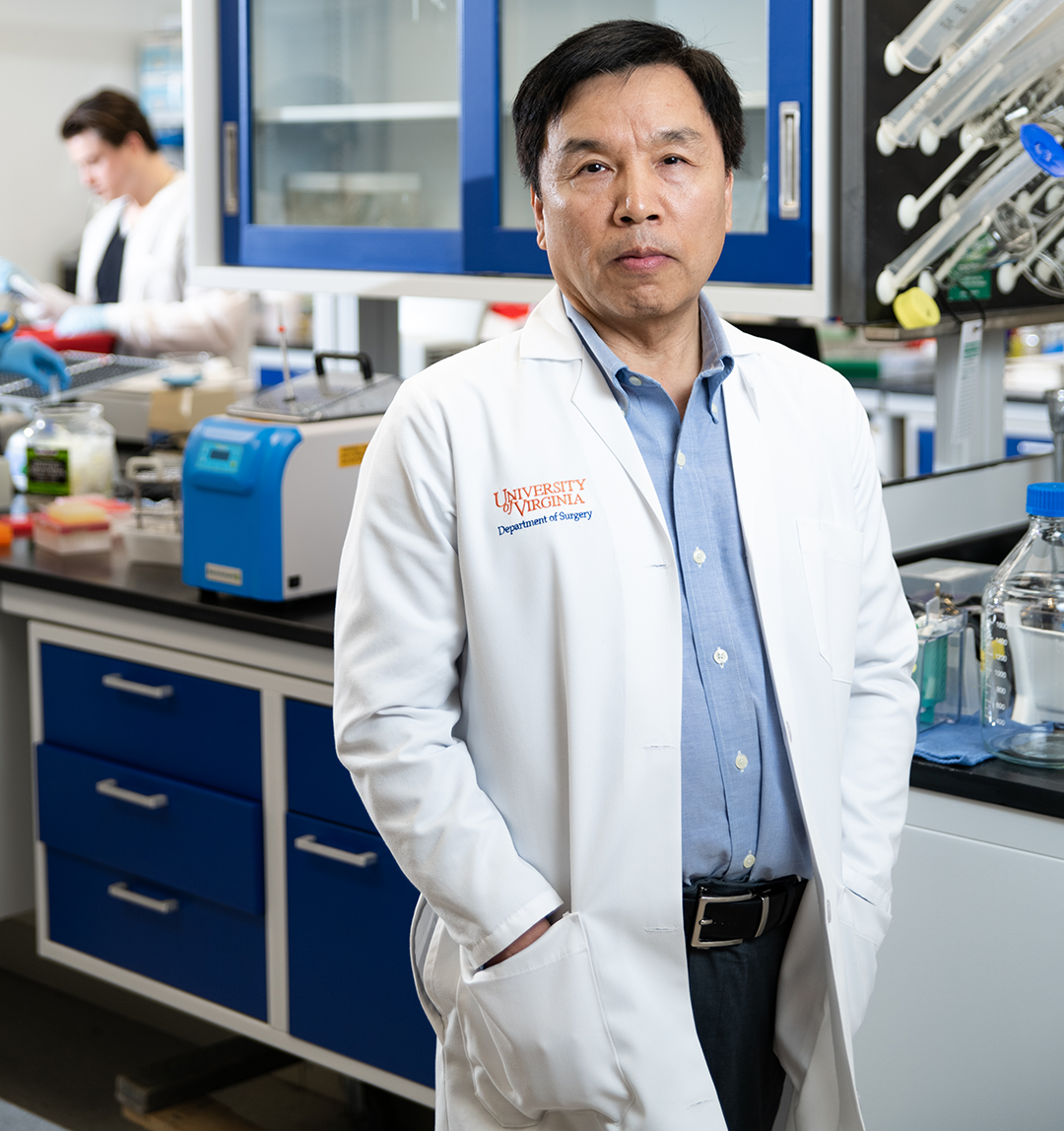
The investigational therapy, known as hCitH3-mAb, seeks to neutralize a molecule called CitH3. Identified by UVA researchers as a critical factor in immune dysfunction and organ failure in sepsis patients, CitH3 can exacerbate illness instead of aiding recovery. Dr. Jianjie Ma, leading the research team at the UVA School of Medicine, emphasized the potential of this therapy to shift treatment paradigms for sepsis and ARDS.
Sepsis and ARDS remain leading causes of mortality in intensive care units, yet no therapies approved by the U.S. Food and Drug Administration (FDA) specifically target the underlying immune dysfunction. The UVA research team has identified CitH3 as a pivotal target, representing a significant advancement in the approach to treating these conditions by focusing on core biological mechanisms rather than merely addressing symptoms.
Severe infections or trauma can trigger an overactive immune response, leading to catastrophic inflammation that damages blood vessels and organs. Dr. Ma noted, “We found that CitH3 is one of the key triggers that turns helpful immune responses into harmful ones. If we can block it, we can protect tissues and organs at the very moment they are most vulnerable.”
The hCitH3-mAb therapy is a specifically designed antibody that binds to CitH3 to neutralize its harmful effects. Following extensive preclinical studies, the Phase 1a trial will first evaluate the treatment’s safety in healthy volunteers before progressing to patients suffering from sepsis-induced ARDS. The trial will be conducted under the leadership of Dr. Alpha Fowler, a sepsis and ARDS specialist at Virginia Commonwealth University (VCU), with support from Dr. Imre Noth of UVA Health, a recognized expert in lung disease.
“I look forward to working with this outstanding group to execute the clinical trial,” said Dr. Fowler. “My hope is that we can finally ‘crack the code’ of sepsis and bring this first-in-class immunotherapeutic to patients who desperately need new options. This could save many lives.”
The initiative comes as part of UVA’s commitment to biotechnology innovation, particularly through the Paul and Diane Manning Institute of Biotechnology. This institute aims to accelerate the translation of scientific discoveries into practical therapies, aligning with the development of hCitH3-mAb. Dr. Mark Esser, Chief Scientific Officer at the institute, remarked, “The hCitH3-mAb program showcases the innovation emerging from UVA investigators and the collaborative spirit required to move a complex biologic from the lab to first-in-human studies.”
The journey from laboratory research to clinical application necessitates extensive collaboration, advanced manufacturing capabilities, and substantial funding. The UVA spin-off company has partnered with SparX Biopharmaceutical Corp. to produce the treatment, ensuring compliance with FDA standards. Financial support from the Virginia Catalyst Program has also been instrumental in advancing this project.
“This is the kind of impact universities can have when discovery science, clinical expertise, and regional biotech innovation work together,” Dr. Ma stated. “Our goal is simple: get a lifesaving therapy to patients who desperately need it.”
The commencement of this trial represents a promising step forward in the fight against sepsis and ARDS, conditions that have long posed significant challenges within the medical community. As researchers and clinicians work towards a new era of treatment, the hope is that hCitH3-mAb will pave the way for more effective therapies for patients suffering from these critical conditions.