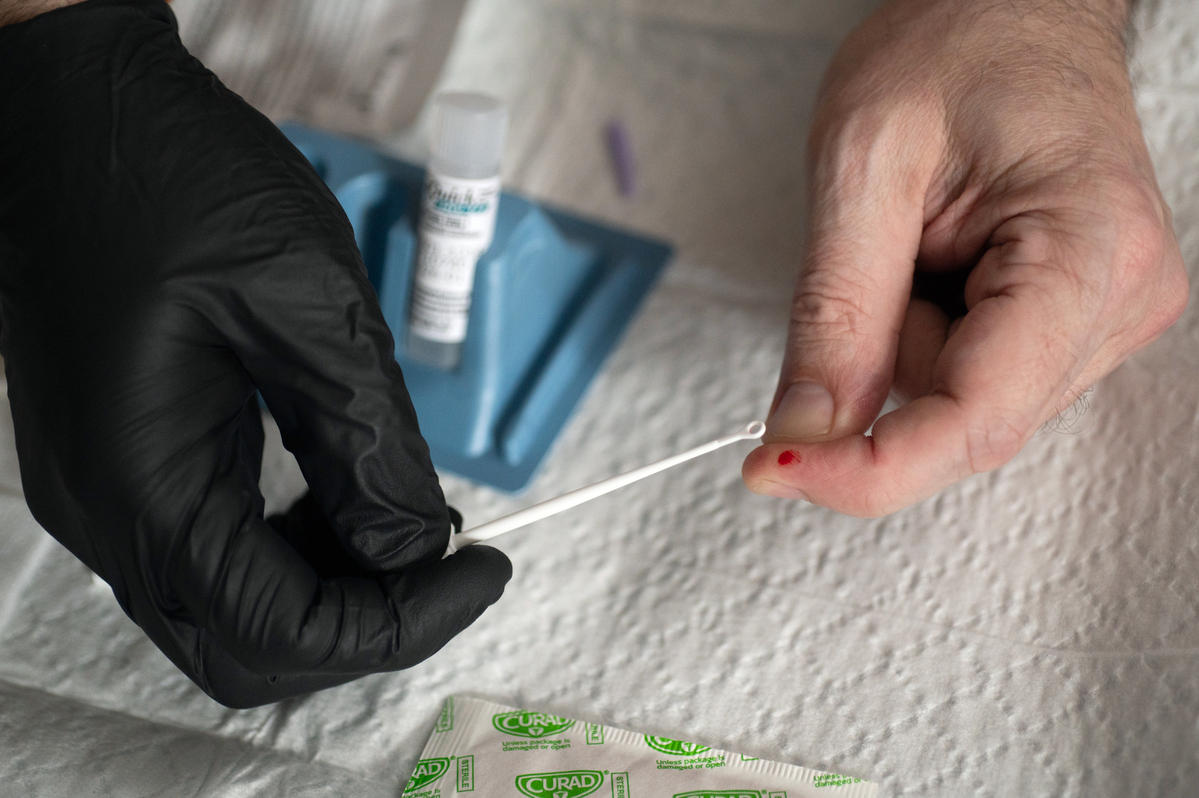
The recent decision to reverse the recommendation for hepatitis B vaccinations in newborns has raised significant concerns among health experts. This recommendation, historically supported by scientific evidence, has been pivotal in reducing cases of the disease, which can lead to severe liver damage and even death.
Concerns Over Vaccine Reversal
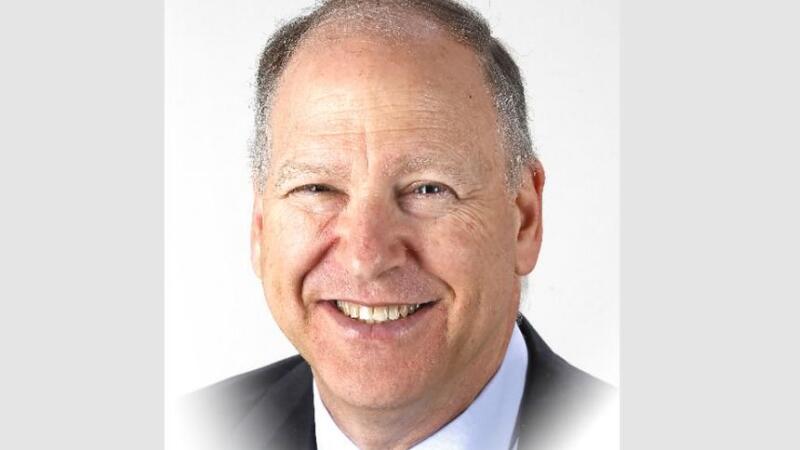
Dr. Stephen McDonough, a former pediatrician and public health officer in North Dakota, expressed his alarm over the implications of this move. He highlighted that the hepatitis B vaccine has been remarkably effective, with cases plummeting from 16,000 in the 1980s to only 10 to 20 in recent years. Notably, North Dakota has reported no cases of hepatitis B in the last three years.
In the early 1990s, the state emerged as a leader in immunizations. During a nationwide measles outbreak, North Dakota maintained a perfect record, with no reported cases due to widespread vaccination. McDonough recalls that “we were the healthiest state in the nation in 1990,” underscoring the critical role vaccinations play in public health.
The abrupt change in vaccination policy stems from a controversial decision made by Health Secretary Robert F. Kennedy Jr., who dismissed all members of a vaccine advisory panel earlier this year. The newly appointed members have since voted to rescind the recommendation for hepatitis B vaccinations for infants. McDonough criticized this decision as “terrible,” urging doctors, parents, and insurance companies to disregard the new guidance.
Impact on Public Health
The ramifications of this policy shift extend beyond just hepatitis B. There is growing concern that this may signal a broader trend of undermining established vaccines, potentially leading to a resurgence of preventable diseases. McDonough fears that a decline in overall immunization rates could result in increased morbidity and mortality from once-controlled illnesses.
He stated, “To see these idiots and morons go back to a period that didn’t work is stunning.” This sentiment reflects a broader frustration within the medical community regarding vaccine skepticism, which is gaining traction in some circles.
Data from North Dakota indicates a troubling trend. The state that once had the lowest measles cases in the country is now grappling with the highest rate of measles infections in 2025. This stark reversal is alarming for public health advocates who have witnessed the return of preventable diseases.
McDonough, who has personally witnessed the devastating effects of diseases like meningitis and whooping cough before widespread vaccination, expressed deep concern for the future of child health. “Vaccines have been a wonderful success story. They save lives,” he noted.
As skepticism about vaccines grows, McDonough worries that many parents may hesitate to protect their children through vaccination. He emphasizes the importance of scientific evidence in making health decisions, stating, “I have a real problem with powerful people doing a disservice to the country and North Dakota children.”
The debate surrounding vaccinations continues to evolve, with significant implications for public health. As experts advocate for the importance of immunizations, the health community remains vigilant, hoping to prevent a regression into a time when preventable diseases posed a significant threat to children.