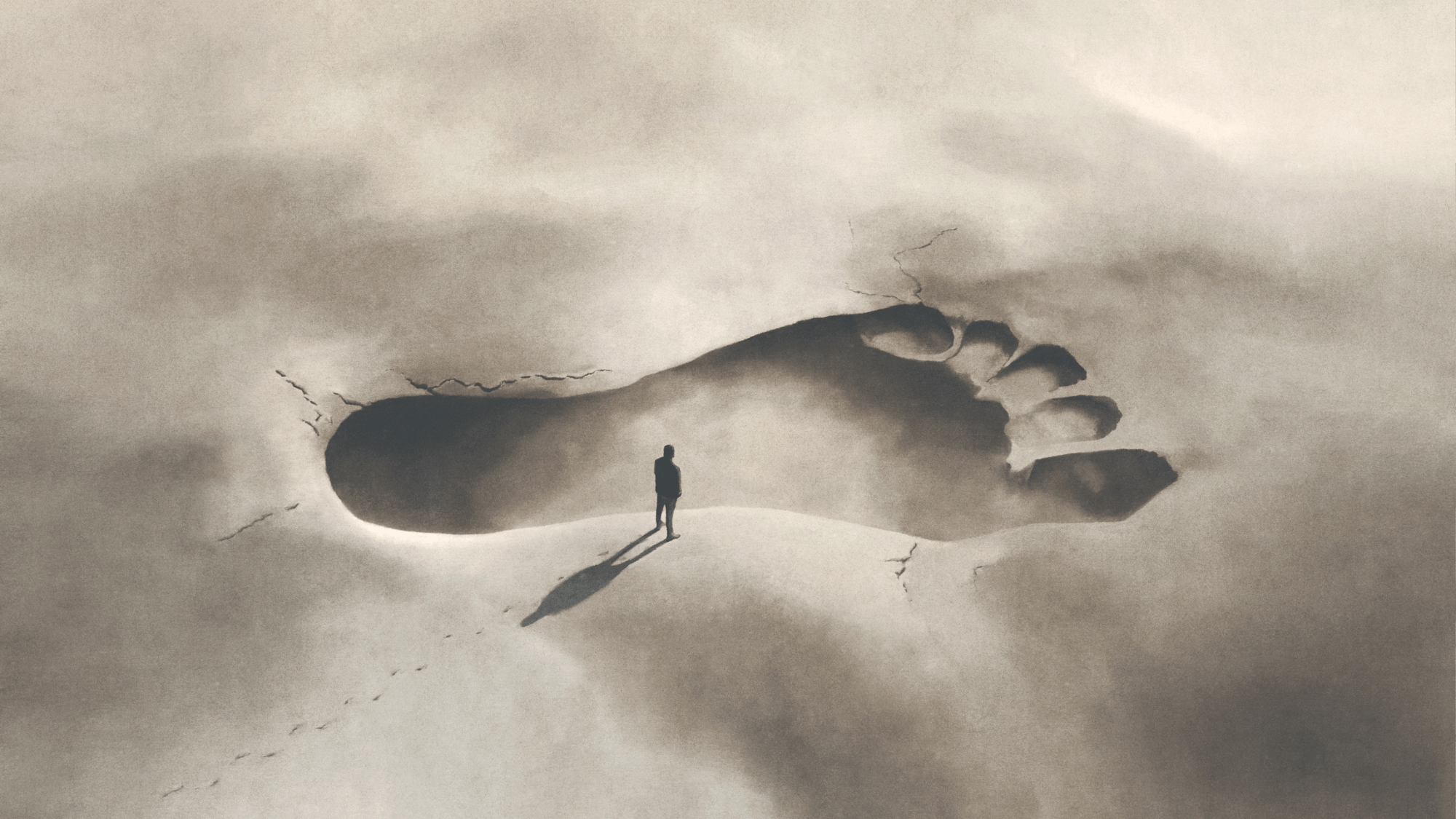
A recently reexamined ancient Egyptian papyrus, known as Anastasi I, is generating renewed interest due to a peculiar detail regarding height. This document, which dates back to the 13th century BCE and has been housed in the British Museum since 1839, contains references that some scholars find intriguing, particularly concerning a group called the Shosu.
The papyrus, attributed to a scribe named Hori, primarily discusses military routes and travel hazards. However, it references the Shosu, a nomadic group encountered in a challenging mountain pass, noting that some members measured between four and five cubits tall. Since an Egyptian cubit is approximately 20 inches, this suggests that these individuals stood between roughly 6 feet 8 inches and over 8 feet tall. In a time when the average adult height was significantly less, these figures would have stood out dramatically in their environment.
This mention has sparked interest among some researchers, particularly from the Associates for Biblical Research, who draw parallels to descriptions in the Old Testament. Notably, Genesis 6 refers to the Nephilim as “men of renown,” while Numbers 13:33 describes the Israelites comparing themselves to grasshoppers in the presence of the sons of Anak, who were also depicted as giants. The notion that the Anastasi I document describes similar figures, authored by individuals outside the biblical narrative, raises questions that many find unsettling.
Skeptics offer counterpoints, highlighting that exceptionally tall individuals exist today without any divine lineage. The Shosu are also mentioned in various Egyptian records, often characterized as difficult adversaries for soldiers. Some scholars propose that the letter may serve as an instructional tool, exaggerating threats to emphasize the importance of military preparation.
Despite the ongoing debate, tangible evidence of these giants remains elusive. There are no archaeological finds, such as skeletons or oversized tools, that could substantiate these claims. Instead, the accounts of large figures resonate through cultures and epochs, often embellished over time.
While the findings within Anastasi I do not serve as definitive proof of giants, they contribute to a long-standing discussion about historical narratives and their interpretations. The document encourages both intrigue and skepticism, keeping the debate alive in academic circles and among enthusiasts of ancient history.