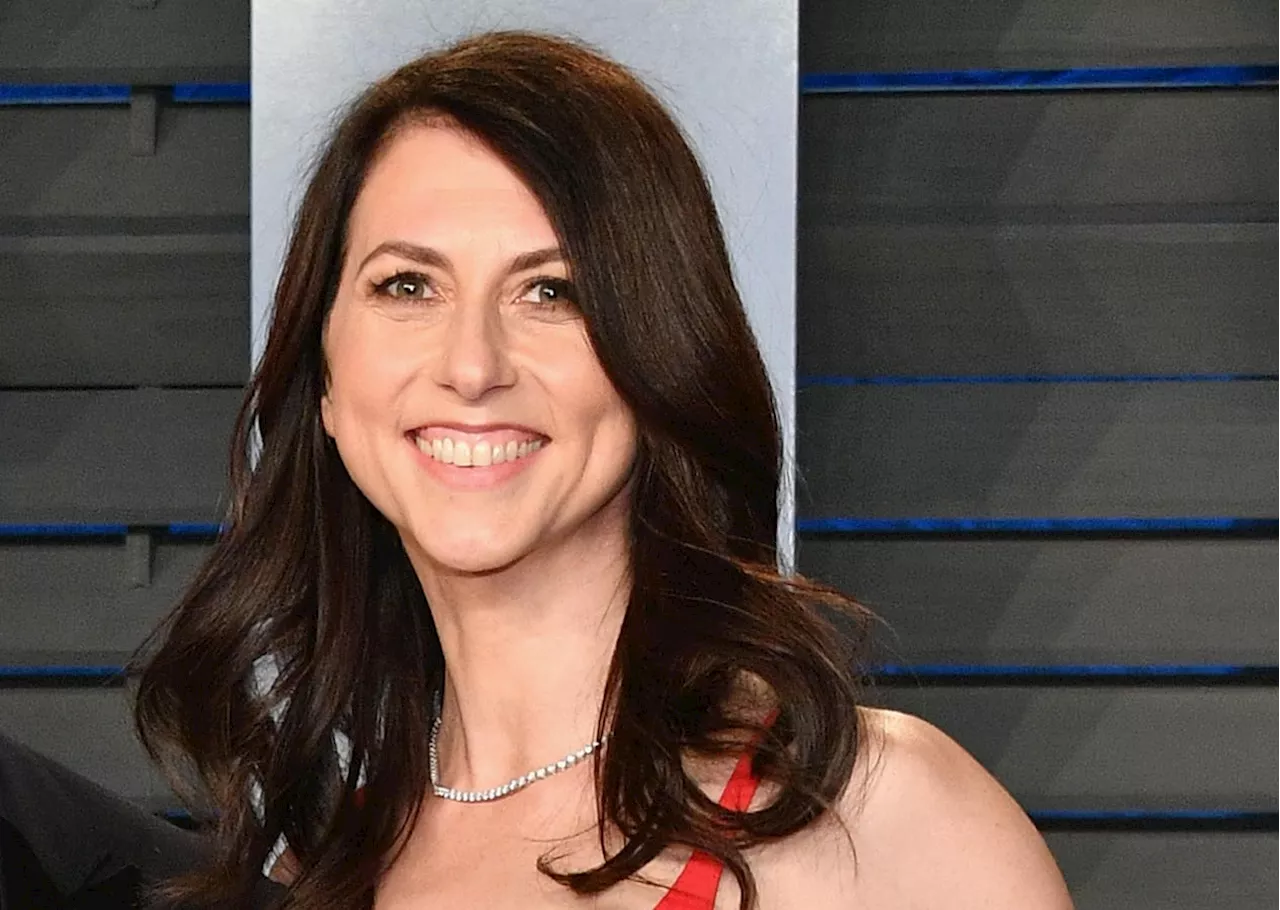
The philanthropic landscape for historically Black colleges and universities (HBCUs) has been significantly enhanced by recent billionaire donations, totaling over $1 billion from nine prominent donors. Among these contributions, MacKenzie Scott’s recent gift of $80 million to Howard University marks the latest effort to support these institutions, which play a crucial role in providing education to underserved populations.
Scott’s donation, announced on September 25, 2023, is not the largest in recent history, but it is noteworthy as it represents Howard’s largest single donation ever received. This contribution follows her earlier donations of $40 million in 2020 and $12 million in 2023, reflecting her ongoing commitment to enhancing educational opportunities. Howard University plans to allocate a significant portion of the latest funds to bolster its student body, with approximately $17 million earmarked for a new academic medical center.
Other notable billionaire supporters include private equity mogul Robert F. Smith, who made headlines in 2019 by pledging to pay off the student loan debt for the entire graduating class of Morehouse College, which consisted of 396 students. Smith is also expanding an initiative to provide loans of up to $20,000 per year to sophomores, juniors, and seniors across more than 70 HBCUs, tribal colleges, and minority-serving institutions.
In addition to Scott and Smith, the philanthropic landscape includes contributions from other prominent figures such as Michael Jordan and Jay-Z, both of whom made significant donations in 2021. Oprah Winfrey, recognized as one of the earliest billionaires to donate to HBCUs, contributed $12 million to Morehouse College in 1989, and later gave another $13 million to commemorate the anniversary of the Oprah Winfrey Scholars Program.
The impact of these donations extends beyond individual institutions. For example, Huston-Tillotson University in Austin, Texas, received an unprecedented $150 million from a family foundation established by the late financier William Lewis Moody Jr. This funding is set to transform the university’s infrastructure and support student living, academic spaces, and strategic planning.
Melva K. Wallace, president of Huston-Tillotson, emphasized the importance of funding for smaller private institutions, stating, “Some of the dollars that have been flowing to HBCUs have been going to state-supported schools, and that’s really great. But you have small private institutions who have been plugging along and doing the work for over 150 years like HT.”
Despite the significant contributions from billionaires, disparities remain in funding levels between HBCUs and predominantly white institutions. In 2021, the endowments of public HBCUs were approximately 50% of their non-HBCU counterparts, and the divide is even wider for private institutions. For instance, the average HBCU endowment per full-time student is about one-fifth of that of private non-HBCUs.
While many billionaires have directed substantial donations to elite institutions, the recent trend of supporting HBCUs signals a shift in philanthropic priorities. For example, Ken Griffin has pledged over $500 million to Harvard, and the widow of investor David Gottesman announced a $1 billion pledge to cover all tuition for future students of the Albert Einstein College of Medicine.
Other notable contributions include a $600 million gift from Michael Bloomberg aimed at strengthening the endowments of four historically Black medical schools, along with his previous efforts to reduce student debt for nearly 1,000 future doctors. These initiatives demonstrate a growing recognition of the financial challenges faced by HBCUs and their students.
As the funding continues to flow, the potential for HBCUs to transform lives and create generational wealth remains significant. Wayne A. I. Frederick, interim president of Howard University, stated, “We’re providing opportunities to people who might not otherwise have access to higher education. You’re not just changing their lives; you’re often helping create generational wealth and opportunities for families who have never had that access before.”
These donations not only represent financial support but also a commitment to fostering educational equity and access for historically marginalized communities. As billionaire donors increasingly turn their attention to HBCUs, the impact on these institutions could be profound, reshaping their futures and the lives of countless students.