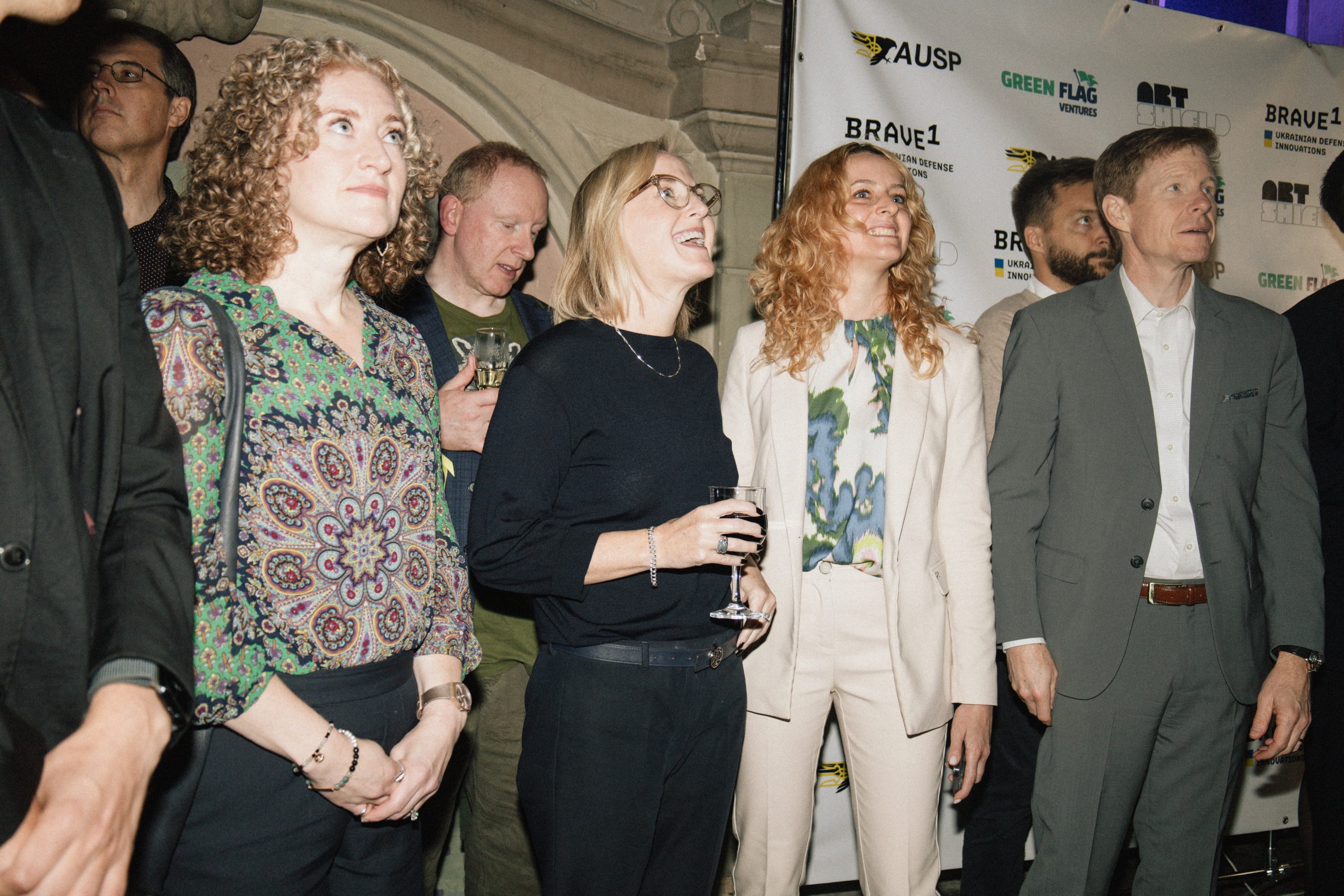
Davis Richardson is forging vital connections between American values and Ukrainian resilience through his work with Paradox PR and the American-Ukraine Strategic Partners (AUSP). Following the personal loss of his father in 2020, Richardson reevaluated his understanding of time and legacy. This pivotal moment propelled him to embrace a purpose-driven life, one that emphasizes the importance of cultural and innovative exchanges between nations.
Richardson emphasizes that recognizing the finite nature of life can catalyze a deeper understanding of one’s purpose. He reflects, “In order for a life to start, you first have to recognize that life ends. That’s when everything began for me.” Raised in Maryland and now based in New York City, his career has navigated the dynamic landscapes of Washington D.C. and Manhattan, ultimately leading him to engage profoundly with Ukraine’s cultural and political landscape.
Building Bridges Through Culture and Innovation
As the founder of Paradox PR, Richardson has established a firm at the intersection of culture, innovation, and global strategy. Paradox PR not only shapes narratives but actively redefines them. Through its campaigns, Richardson and his team have amplified the voices of Ukrainian artists, supported defense initiatives, and fostered cross-cultural collaborations that intertwine art with advocacy.
The creation of the American-Ukraine Strategic Partners (AUSP) in 2024 marked a significant evolution in Richardson’s mission. AUSP channels leadership and technology-driven capital models to support Ukraine’s reconstruction efforts. The organization’s network includes prominent figures from firms like Palantir and BlackRock, all united by a shared commitment to democratic principles and the rebuilding of Ukraine.
“Our main mission right now is the continuation of American values,” Richardson states. “It’s ironic that the continuation of those values is ultimately found in Ukraine, a country without historical ties to Anglo-Americanism, yet deeply aligned with its spirit of freedom.”
Richardson advocates for culture as a crucial element of national identity. Through initiatives like ArtShield and Preserving Art in Crisis, he highlights the work of Ukrainian artists who demonstrate resilience in the face of adversity. “What’s the point of defense if there’s no culture to defend?” he asks, underscoring the essential role of cultural preservation in wartime.
A Commitment to Meaningful Engagement
Richardson’s approach combines intellectual rigor with empathy, blending idealism and pragmatism. His philosophy revolves around listening rather than imposing, fostering connections instead of broadcasting messages. “History is written by human beings,” he remarks. “Sometimes, the most powerful thing you can do is to listen and be part of something meaningful.”
In a recent interview, Richardson discussed his motivations and the initiatives of AUSP. He noted the importance of aligning America with Ukraine’s developments, ensuring that the U.S. maintains a competitive edge through partnerships that reflect shared values. He emphasizes that his work is driven by a deep love for both the United States and its partners.
When asked about AUSP’s unique role in Ukraine’s reconstruction, he explained, “We built AUSP to be that mechanism, a transparent vehicle that allows private-sector capital to participate meaningfully.” This commitment to transparency is fundamental, as the organization aims to lay a solid educational and cultural foundation for sustainable economic development.
Richardson has also been a vocal advocate for cultural diplomacy. He believes that art plays a vital role in maintaining a nation’s identity during conflict. “Art is the soul of a nation,” he notes, having witnessed how Ukrainian artists transform pain into beauty and resistance. He emphasizes the strategic importance of cultural diplomacy, stating, “Cultural diplomacy is not just symbolic; it’s strategic. It sustains identity.”
As he navigates these complex landscapes, Richardson maintains a leadership style rooted in humility and awareness. “Every decision has a cost, not always financial but existential,” he says. He prioritizes understanding local dynamics and emphasizes the importance of observing before taking action. For him, leadership is about serving a greater purpose.
Ultimately, Davis Richardson views legacy as an ongoing dialogue between history and humanity. His mission is clear: to ensure that purpose endures long after the noise fades, whether through the quiet diplomacy of art or the robust reconstruction of nations.