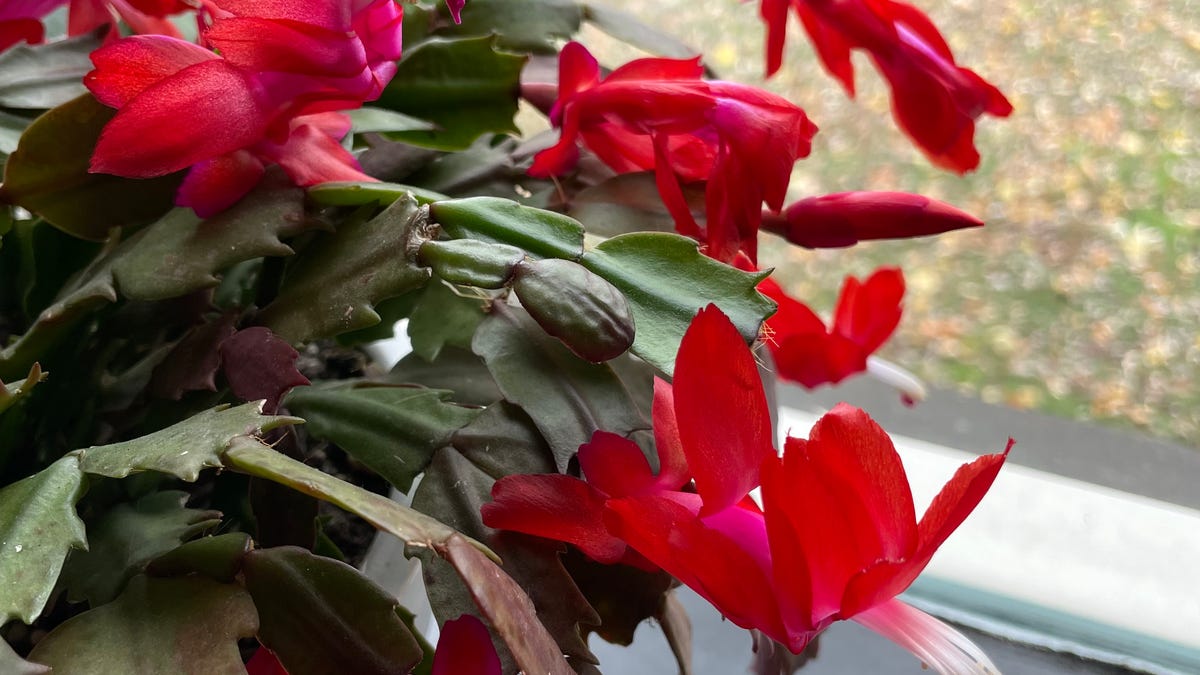
Understanding the differences between holiday plants can enhance your seasonal decor and gardening knowledge. This article highlights the distinctions between the Thanksgiving cactus and the Christmas cactus, both belonging to the genus Schlumbergera.
Identifying Thanksgiving and Christmas Cacti
While many people refer to these plants interchangeably, they bloom at different times of the year. The Thanksgiving cactus typically begins to bloom around Thanksgiving and reaches full bloom by Christmas, making it a hybrid of sorts that could be termed a “Thanksmas cactus.” In contrast, the Christmas cactus flowers later, around December.
The easiest way to identify these two cacti is by examining their leaf structures, which are actually stem segments. The leaves of the Thanksgiving cactus are serrated, featuring sharp points, while the Christmas cactus has rounded edges. Despite their common name, these plants do not belong to the typical cactus genus, Opuntia, which includes the more familiar cacti.
Exploring Other Holiday Plants
Another popular holiday plant, the amaryllis, comes from the genus Hippeastrum and consists of about 80 species. Conversely, the genus Amaryllis includes only one species commonly found in gardens, known as the Naked Ladies or Magic Lily. Both amaryllis and the holiday varieties are not true lilies, despite their name.
The poinsettia, scientifically named Euphorbia pulcherrima, has its own fascinating history. Discovered in Mexico by Joel Roberts Poinsett, the first U.S. Ambassador to Mexico in the 1820s, this plant has become synonymous with the Christmas season. Poinsett cultivated the plant in his greenhouse in South Carolina, leading to its widespread popularity. Today, there are over 100 varieties of poinsettias, contributing to a multimillion-dollar industry.
Poinsettias can grow significantly in warm climates, reaching heights of 10 to 12 feet. However, as houseplants, they usually stay around six feet tall. The 14th-century use of poinsettia sap by the Aztecs for medicinal purposes and dye production adds to its rich history. While the plant’s sap can irritate skin and cause gastrointestinal distress if ingested, particularly in pets, studies indicate that substantial amounts would need to be consumed for serious harm.
One other notable holiday plant is the Norfolk Island pine (Araucaria heterophylla), which originates from Norfolk Island off the coast of Australia. This tropical evergreen tree can reach up to 200 feet in height in its natural habitat, although it typically grows to around 20 feet indoors with proper care.
These holiday plants not only add beauty to homes during the festive season but also come with unique stories and characteristics that can enrich any gardening enthusiast’s knowledge. Understanding their differences can lead to more informed choices when selecting plants for decoration or cultivation.