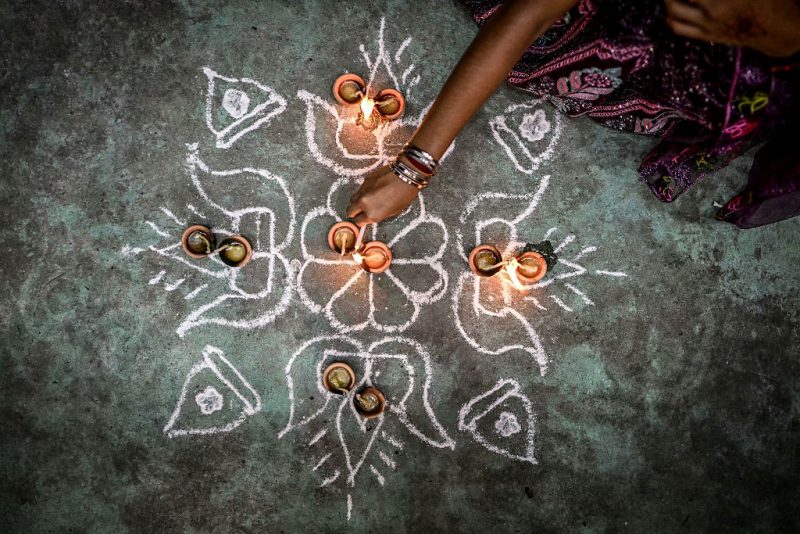
This week, millions of Hindus around the world are celebrating Diwali, one of the most significant festivals in the Hindu calendar. Known as the Festival of Lights, it symbolizes the triumph of good over evil and knowledge over ignorance. The celebration has gained popularity not only in India but also among diverse communities globally, including many in the United States.
Understanding Diwali’s Significance
Diwali lasts for five days and derives its name from the Sanskrit term “deepavali,” which translates to “row of lights.” According to the Hindu American Foundation, the festival is marked by lighting candles, clay lamps, and setting off firecrackers. These practices are not only about illumination but also about inviting prosperity and joy into homes.
Family and friends gather in homes, temples, and community centers to share meals, exchange sweets, and engage in prayers. Central to the celebrations are the worship of Lakshmi, the goddess of wealth and prosperity, and Vishnu, the preserver of the universe. Special prayers, songs, and the preparation of traditional foods are integral to the festivities during this auspicious time.
Historical Roots and Modern Celebrations
The origins of Diwali trace back to the ancient Indian epic, the Ramayana, which recounts the story of Rama, the prince who returns home after a 14-year exile. His return is celebrated as a victory of light over darkness, a theme that resonates throughout the festival.
In India, cities like Ayodhya hold significant celebrations. For instance, on October 19, 2023, locals watched a spectacular firework display along the banks of the Saryu River, marking the eve of Diwali. Such events draw crowds and serve as a reminder of the festival’s joyous spirit.
In addition to traditional celebrations, Diwali also marks the beginning of the new Hindu financial year. Many in the business community participate in Chopda Pujan, a ritual honoring account books, where merchants pray for prosperity in the year ahead. This practice emphasizes the festival’s dual nature as both a spiritual and a commercial occasion.
In regions outside of India, Diwali is celebrated with equal fervor. For example, the U.S. Census Bureau estimates that there are approximately 5.2 million individuals of Indian descent in the United States as of 2023. Many of these communities host Diwali events, showcasing cultural performances, food, and traditional rituals that reflect the festival’s significance.
Celebrations also extend to various countries in Asia, where Diwali is recognized under different names, such as Tihar in Nepal. Here, the festival includes unique customs, such as honoring dogs, regarded as the guardians of the Hindu god of death. Such variations enrich the festival’s cultural tapestry and highlight its universal themes of renewal and hope.
As Diwali unfolds this week, communities around the globe embrace the festival’s core message: the victory of light over darkness, and the joy of togetherness. Whether through traditional rituals or modern adaptations, the spirit of Diwali continues to inspire and unite people from all walks of life.