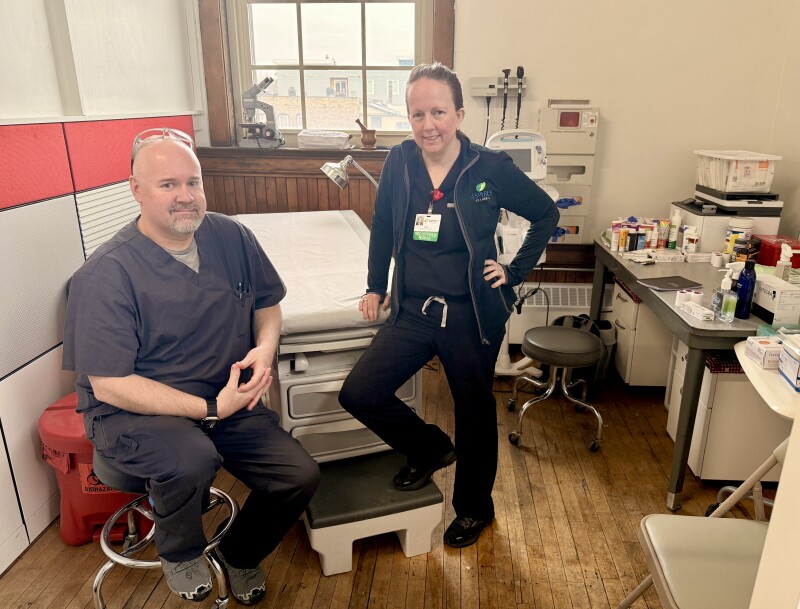
In a significant initiative to support vulnerable populations, the Chum Hope Clinic has begun offering free wound care services for unhoused individuals in Duluth. The clinic operates on the second Monday of each month, from 10 a.m. to 2 p.m., at the Damiano Center. This program is a collaboration with volunteer providers from Aspirus St. Luke’s Wound Care Clinic, who provide treatment on a walk-in basis.
According to Anne Romberg, the health and wellness coordinator at Chum, there has been a concerning increase in wound cases among the local unhoused population. Two years ago, the clinic saw about three individuals needing wound care each month. Now, that number has escalated to approximately 15. Romberg attributes this rise partly to the increased use of xylazine, a sedative often mixed with opioids, which can lead to severe necrotic wounds.
Addressing a Growing Need
Jarrod Buresh, the medical director at Aspirus St. Luke’s Wound Care, has been volunteering at the Hope Clinic since January. He explains that xylazine can obstruct blood flow when injected, resulting in tissue necrosis. This situation complicates healing, making timely and effective wound care essential.
In addition to wounds related to substance use, the clinic addresses a wide range of issues, including abscesses, pressure wounds, frostbite, and complications from unmanaged diabetes. “It’s a huge continuum of the type of wounds that we’re dealing with,” Buresh stated, emphasizing the diverse needs of the patients.
The collaboration between Chum and Aspirus St. Luke’s began through monthly meetings focused on health care for the homeless. Maija Kaarto, the clinical supervisor at Aspirus St. Luke’s, often provides educational sessions on wound care to community groups. Together, Buresh and Kaarto dedicate about four hours each month to treat around 10 to 12 patients at the Damiano Center.
Romberg appreciates Buresh’s approach, noting that he has the flexibility to spend quality time with each patient without the pressure of a ticking clock. This individualized attention is crucial for building trust, especially since many patients may have had negative experiences in traditional healthcare settings.
Removing Barriers to Care
The clinic’s location at the Damiano Center is strategic in alleviating barriers such as transportation and social stigma that often prevent unhoused individuals from seeking care. Buresh points out that poorly treated wounds can lead to social isolation, as the unpleasant odor associated with necrotic tissue can deter others from interacting with those affected.
“There’s a whole dance to this,” Buresh notes, highlighting the importance of trust between patients and providers. Mental health issues, alongside the fear of judgment, contribute to the reluctance of many individuals to seek necessary care.
With a background in treating large populations experiencing homelessness in cities like Cleveland and Detroit, Buresh finds purpose in this work. Since his retirement from vascular surgery in 2017, he has focused on wound care, which has rapidly expanded at Aspirus St. Luke’s.
Wounds related to diabetes and venous disease are particularly prevalent among the unhoused community, often exacerbated by factors such as lack of access to healthcare and increased physical activity. Left untreated, these conditions can lead to severe complications, including amputations.
“It’s critical to address these wounds early to prevent serious health issues that can overwhelm healthcare systems,” Kaarto emphasized. She encourages those in need to seek help promptly, stating, “There’s no reason to sit and linger with this. There are people who will help you.”
As the program gains traction, Romberg and her team are eager to expand their services. Donations are currently being accepted to support the wound care initiative, with specific needs including gauze, dressings, and adult-sized footwear. Chum has also received a $5,000 grant to create wound care kits with the assistance of students from the University of Minnesota Duluth.
Romberg views her work as a calling and is passionate about helping those who feel overlooked. “I feel very passionate about my job and helping folks who are more vulnerable and just aren’t being seen by everyone else in the world,” she concluded.