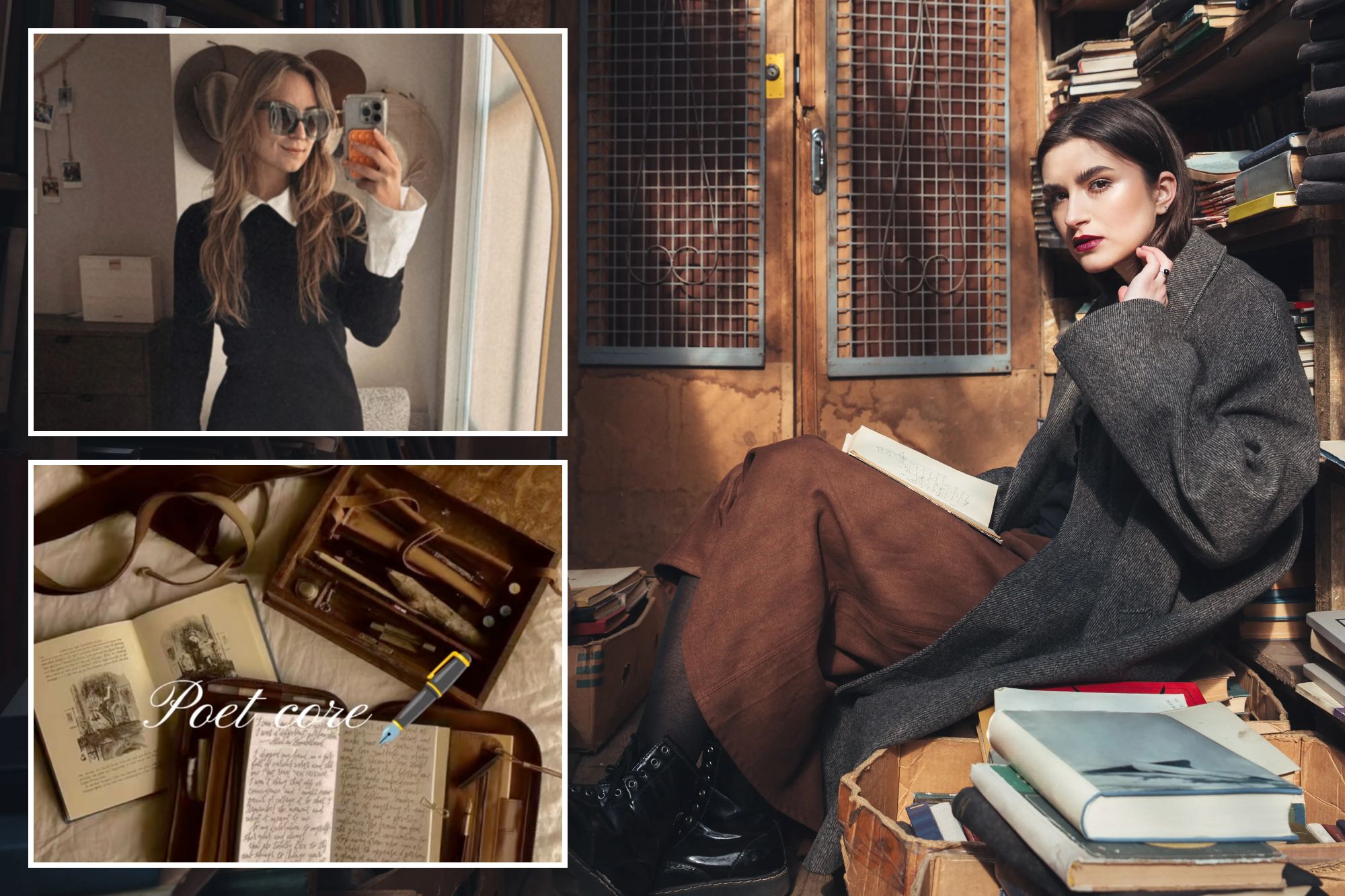
A new fashion trend called poetcore is capturing the attention of Gen Z and reshaping contemporary style. This aesthetic, characterized by oversized sweaters, vintage-inspired blazers, and a palette that suggests comfort and introspection, marks a significant shift from the prior party-centric fashion trends. Young individuals are now gravitating towards clothing that feels personal and reflective, prioritizing substance over flash in a landscape dominated by digital noise.
Redefining Fashion Norms
The poetcore trend represents a departure from the micro-bags and skimpy outfits that once defined the nightlife scene. Instead of dressing to impress at clubs, fashion enthusiasts are opting for looks that evoke a sense of nostalgia and warmth. With a focus on items like lace collars and satchels, the style conveys an air of creativity and thoughtfulness. This shift can be seen as a response to a hyper-digital world, where individuals crave softness and a slower pace in their lives.
Celebrity endorsements further highlight poetcore’s rise. Stars like Jenna Ortega and Taylor Swift have been spotted in outfits that embody this new aesthetic. Ortega, known for her role in “Wednesday,” was seen promoting the show in a pinstriped blazer paired with matching tights. Swift, meanwhile, incorporated poetcore elements while teasing her upcoming project, “The Tortured Poets Department,” donning tweed coats and cozy sweaters.
According to Sabrina Morin, a personal stylist and founder of The Closet Compass, poetcore embodies “romantic intellect with restraint.” She describes it as “soft intelligence”—a style that suggests depth without drawing excessive attention. Unlike some previous academic styles, poetcore is designed for everyday life, seamlessly integrating into various settings, from work to casual outings.
A Blend of Styles and Sentiments
The poetcore aesthetic borrows from traditional tailoring and other influences, often referred to as grandmacore and archival fashion. This new style embraces wide-leg trousers and relaxed silhouettes, allowing for both comfort and elegance. Lamel “Melly” Adkins, a fashion designer based in New York City, notes, “Where academia dresses for the mind, poetcore dresses for the heart.” This emotional connection sets poetcore apart from its predecessors.
For many fashion enthusiasts, poetcore thrives on contrasts. Lauren Trivison, a midsize fashion blogger, emphasizes the blend of styles that characterizes this trend. Mixing thrifted men’s pieces with delicate accessories, she demonstrates how poetcore encourages reimagining existing wardrobes rather than starting anew.
This trend reflects a broader cultural movement towards a slower lifestyle. Individuals, particularly students and creatives, are increasingly drawn to analog activities, reading, and minimizing screen time. Anya Galperin, a PhD student at Stony Brook University, describes poetcore not merely as a trend but as a natural evolution of her style. After the disruptions of the COVID-19 pandemic, her wardrobe shifted to include layered textures and comfortable silhouettes, allowing for personal expression.
Fashion stylists highlight the appeal of poetcore, noting its emphasis on fluid shapes, natural fabrics, and muted colors that convey a lived-in quality. Anna Lavo, a stylist who works with various celebrities, explains that the trend is about more than just aesthetics. “Poetcore isn’t about looking old or academic; it’s about romantic introspection and emotional storytelling through clothing,” she states.
As the poetcore movement gains traction, it aligns with a growing resistance to fast fashion. Many followers prefer thrifting and reusing garments, creating wardrobes that feel authentic and timeless. Designers have taken note of this shift, with established brands like Prada, Miu Miu, and Saint Laurent incorporating softer tailoring and intellectual silhouettes into their collections.
According to Pinterest’s annual Pinterest Predicts report, poetcore is set to become a significant fashion trend by March 2026, with increasing searches for related terms. While the label itself may shift over time, stylists believe the underlying principles—thoughtful layering, heritage pieces, and an emphasis on intellectual expression—will endure.
In essence, poetcore represents a desire for individuals to be perceived as curious, intentional, and quietly confident in a world often dominated by noise. As this trend continues to evolve, it challenges people to reconsider how they wish to present themselves in both their personal and professional lives.