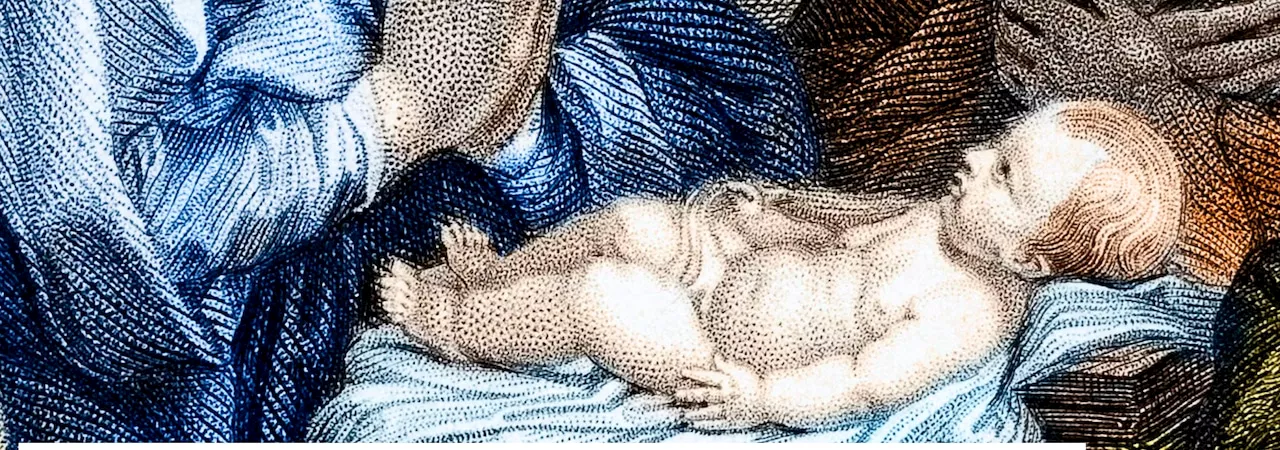
The familiar narrative of Jesus’ birth often evokes images of tranquility and joy, yet a deeper historical examination reveals a far more turbulent context. Historian Josephus provides insights into the political and social upheaval in Judaea during the first century, casting a shadow over the traditional Christmas story.
The Gospel accounts depict a family beset by dislocation and danger. For instance, the so-called “manger” where Jesus was laid was, in reality, a feeding trough for animals, often associated with filth and discomfort. This stark reality contrasts sharply with the serene imagery portrayed in countless Christmas cards and carols, such as “Silent Night,” which proclaims “all is calm, all is bright.”
King Herod, an appointed client ruler of the Romans, looms large in these narratives. While he is introduced in the nativity stories without much preamble, his reputation as a tyrant is well-established. Herod’s rule was marked by violence and paranoia, particularly following his desecration of the tomb of King David, an act that had far-reaching implications for Jesus’ lineage. The Gospel of Matthew emphasizes Jesus’ genealogy, underscoring the significance of his royal heritage.
Herod’s tumultuous relationship with the local populace added another layer of complexity. After his initial appointment, he faced opposition from a rival supported by the Parthians, leading to violent confrontations near Bethlehem. Herod’s forces retaliated with brutal measures, including a massacre of his adversaries. Following Rome’s intervention to restore him, he erected a memorial to commemorate his violent triumph. Such actions contributed to an atmosphere of fear and resentment among the local communities.
As tensions escalated, Jesus’ family fled their home, reflecting a broader sentiment of fear against the Roman occupiers. The national unrest, chronicled by Josephus, reveals a society nearing the brink of revolt. After Herod’s death, a wave of rebellion swept through Jerusalem, leading to further bloodshed at the hands of Herod’s successor, Archelaus.
The return of Joseph, Mary, and Jesus from Egypt to the relatively independent region of Galilee marked a moment of hope. Yet, this independence was ephemeral. Roman forces, under General Varus, launched a campaign that decimated towns, including the destruction of Sepphoris and the crucifixion of many Judaean rebels. The violence of this period paints a stark contrast to the peaceful image often associated with Jesus’ early life.
A reimagining of the nativity, set against this backdrop of chaos, could provide a more nuanced understanding of Jesus and his family. Such a portrayal might resemble a historical drama, akin to the modern series “Smallville,” which explored the formative years of Clark Kent. Instead of a simple narrative focused on miraculous powers, it would delve into the harsh realities faced by Jesus during his formative years.
Contrary to the idealized depictions of Jesus that have emerged over time, some early texts present a troubling version of his childhood. In these narratives, young Jesus exhibits a dangerous temper, resorting to lethal force against those who wrong him, reflecting a problematic moral framework. These accounts serve as cautionary tales about the wrath of a deity and perpetuate negative stereotypes against the Jewish community.
The portrayal of violence in nativity-themed media often lacks historical context, rendering it arbitrary rather than reflective of the complex dynamics between the Jewish populace and Roman authority. The true nativity story embodies struggle and hardship, yet it also conveys a sense of hope amidst adversity.
In today’s world, where societal divisions and feelings of oppression persist, the authentic narrative of Jesus’ birth resonates with contemporary audiences. It serves as a reminder that the story of the nativity is not solely one of peace and joy but one that encompasses profound struggle and the enduring quest for hope.