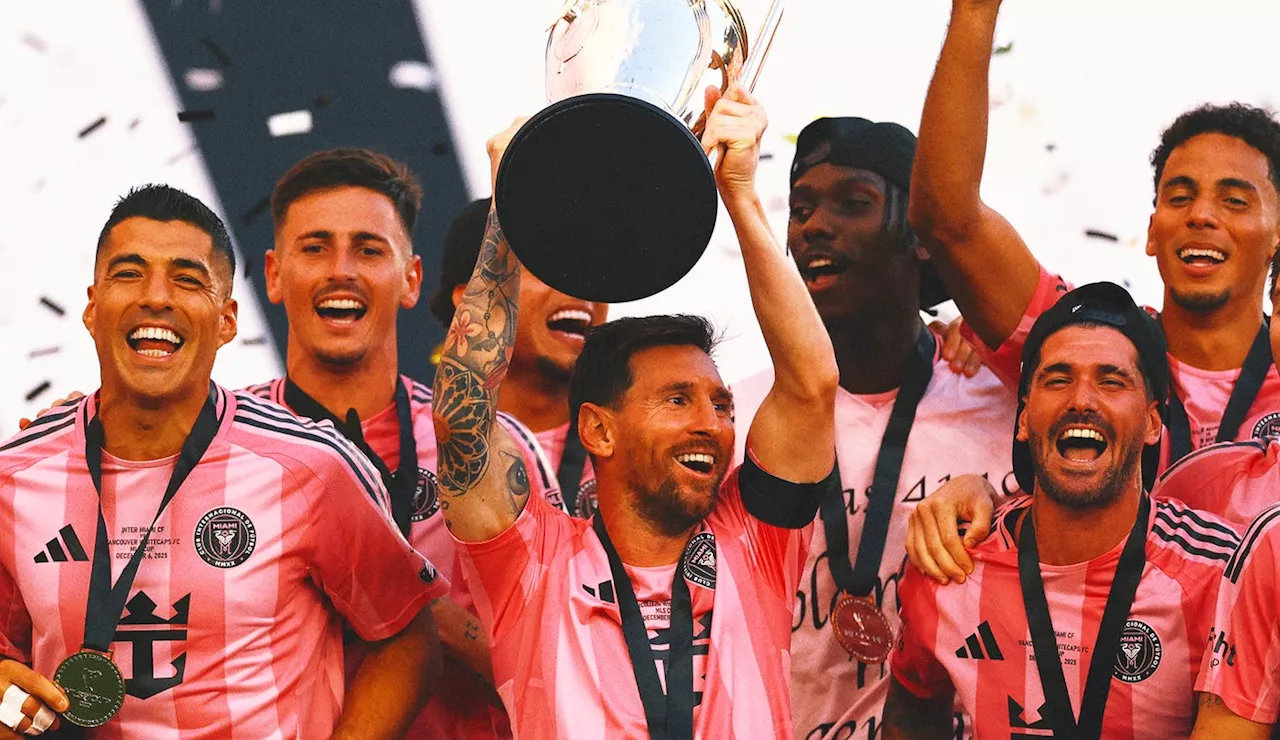
Lionel Messi has added another prestigious title to his impressive career, leading Inter Miami to a 3-1 victory over the Vancouver Whitecaps in the MLS Cup final. This victory not only marks a significant achievement for Messi but also positions him as one of the first players to win both a World Cup and an MLS Cup during his career.
Since Messi’s arrival in South Florida in the summer of 2023, the club has made the MLS Cup a primary objective. At that time, Miami was at the bottom of the Eastern Conference standings. Despite his immediate impact, which included winning the inaugural Leagues Cup, the team struggled to qualify for the MLS Cup playoffs. The previous season had seen them secure the Supporters Shield, but they faced a disappointing exit in the first round against Atlanta United.
The pressure mounted on Inter Miami after early eliminations in the Concacaf Champions Cup and a Leagues Cup final loss earlier this year. With the impending retirements of former Barcelona teammates such as Jordi Alba and Sergio Busquets, the urgency to claim the MLS Cup intensified. However, Messi, undeterred by the challenges, was determined to succeed in the postseason.
During the final match, Messi demonstrated his playmaking ability by assisting both of Miami’s goals. His critical steal allowed the team to regain the lead shortly after the Whitecaps equalized early in the second half. This pivotal moment showcased Messi’s leadership, and his influence was felt throughout the match, as it became increasingly apparent that Miami was destined to win.
The result also highlighted the financial dynamics within MLS. Miami has emerged as the league’s top spender, with significant investments contributing to their success. Rodrigo De Paul, another high-profile midseason signing and a fellow World Cup champion, scored the decisive goal, exemplifying how financial backing can be a determining factor in achieving success in the league.
As Messi looks ahead to the summer of 2026, speculation surrounds his participation in the World Cup with Argentina. He has expressed that he has had extensive discussions with Argentina’s coach, Lionel Scaloni. At nearly 39 years old, Messi’s remarkable career has seen him represent Argentina in five World Cups, setting the all-time record for appearances in the tournament.
In contrast, the Vancouver Whitecaps also deserve recognition for their commendable performance this season. Despite their loss in the final, they came close to making history as only the second MLS club to win the Concacaf title this century. The squad, which mainly comprises players that other clubs had overlooked, has shown resilience and determination. Notably, they signed German legend Thomas Müller from Bayern Munich and secured another Canadian Championship, proving their competitiveness against more affluent teams.
The Whitecaps’ success has elevated players like midfielder Sebastian Berhalter and defender Tristan Blackmon, transforming them from lesser-known figures into potential candidates for the United States’ squad for the 2026 World Cup. Their performance has garnered local support and highlighted their relevance in the city.
As the league prepares for a quick turnaround for the 2026 season, which kicks off in February, both Inter Miami and the Whitecaps will have significant moments ahead. Miami will debut its new stadium in the spring, and MLS will pause for the World Cup, leading to a transition from the traditional spring-to-fall format to a fall-to-spring calendar by the 2027-28 season.
This MLS Cup victory not only solidifies Messi’s legacy but also serves as a reminder of the evolving landscape of soccer in North America, where financial investment and talent can reshape the dynamics of the league. As the league grows, the implications of this season will be felt for years to come.