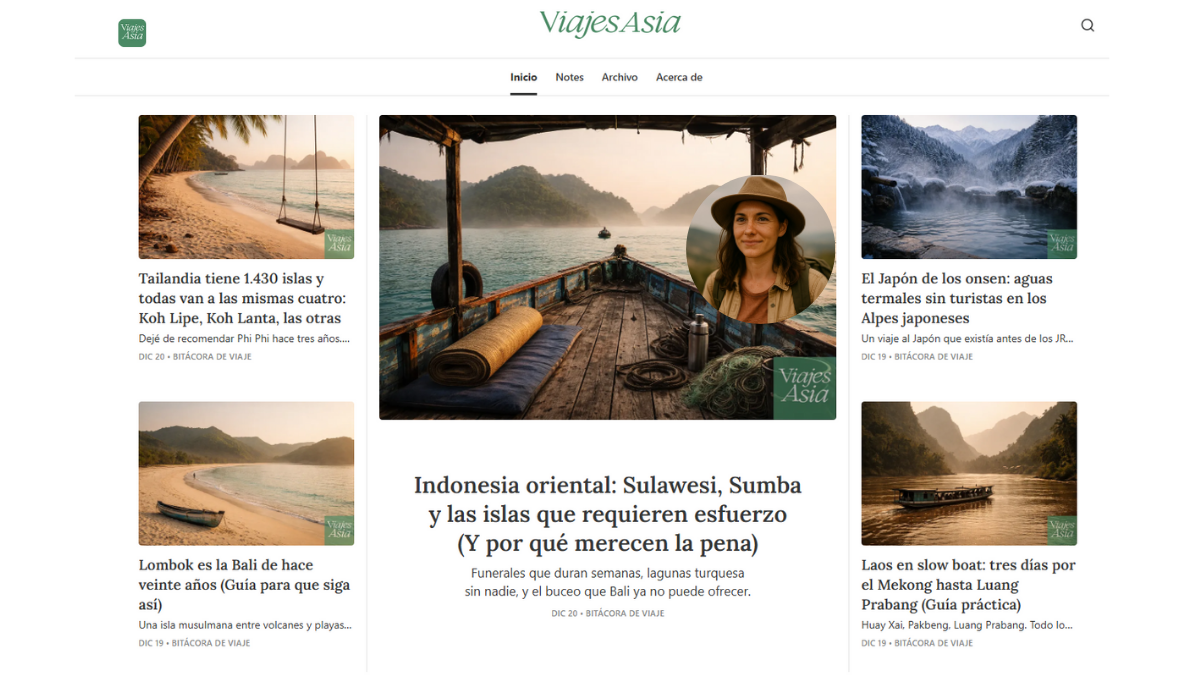
Her newsletter Viajes Asia is gradually becoming a refuge for readers who suspect that traveling is not about “seeing everything,” but about finding a place where the world doesn’t demand performance.
Some people travel to confirm what they’ve already seen online. And then there is Noa Bravo, who seems to travel patiently to contradict it. Not because she enjoys going against the grain, but because the way she moves through a country truly begins when she stops obeying the map. In her writing, the same trigger appears again and again — a dead phone, an unnamed alley, a decision made on instinct — and somehow it never feels like a narrative device, but like something that genuinely happens to her.
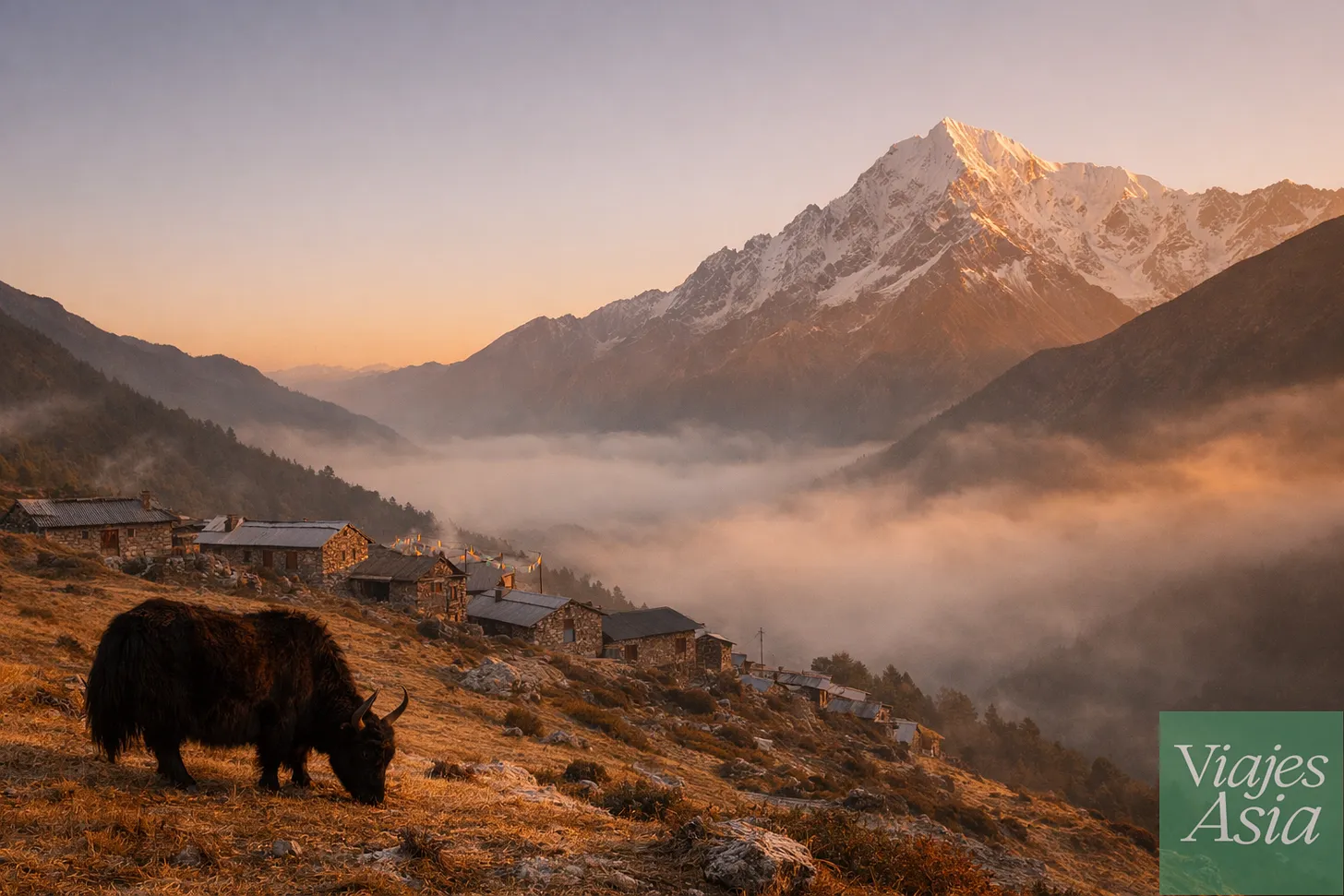
She has been traveling since the age of 24, when she ran out of battery in a small Portuguese town and learned an uncomfortable lesson for anyone obsessed with planning: asking a stranger often works better than any app. Since then, her compass has been details and people — tuk-tuk drivers, street food vendors, waiters who switch languages without noticing, women who look at you and serve what you need before you know how to ask for it.
That way of looking sustains Viajes Asia, a personal Substack project written with a rare sense of calm in an ecosystem ruled by immediacy. There is no guidebook tone and no promises of “the best.” Instead, there are stories that begin with a single scene and move forward without urgency: a dawn in Bangkok, a sunrise on Taiwan’s Pacific coast, the smell of filtered coffee in southern India, the hard wooden bench of a slow boat on the Mekong.
In Bangkok, for instance, Noa writes about discovering the city the day she got truly lost: no battery, no WiFi, no clear idea of where she was. She ended up sitting on a plastic stool in front of a noodle stall that had just opened. She didn’t order anything. The woman laughed and placed a bowl in front of her. It cost 35 baht — one euro. From that moment on, Bangkok stopped being a backdrop for the classic itinerary and became something else entirely: Talat Noi, Ari, Bang Krachao. Neighborhoods where life keeps moving even when no one is watching.
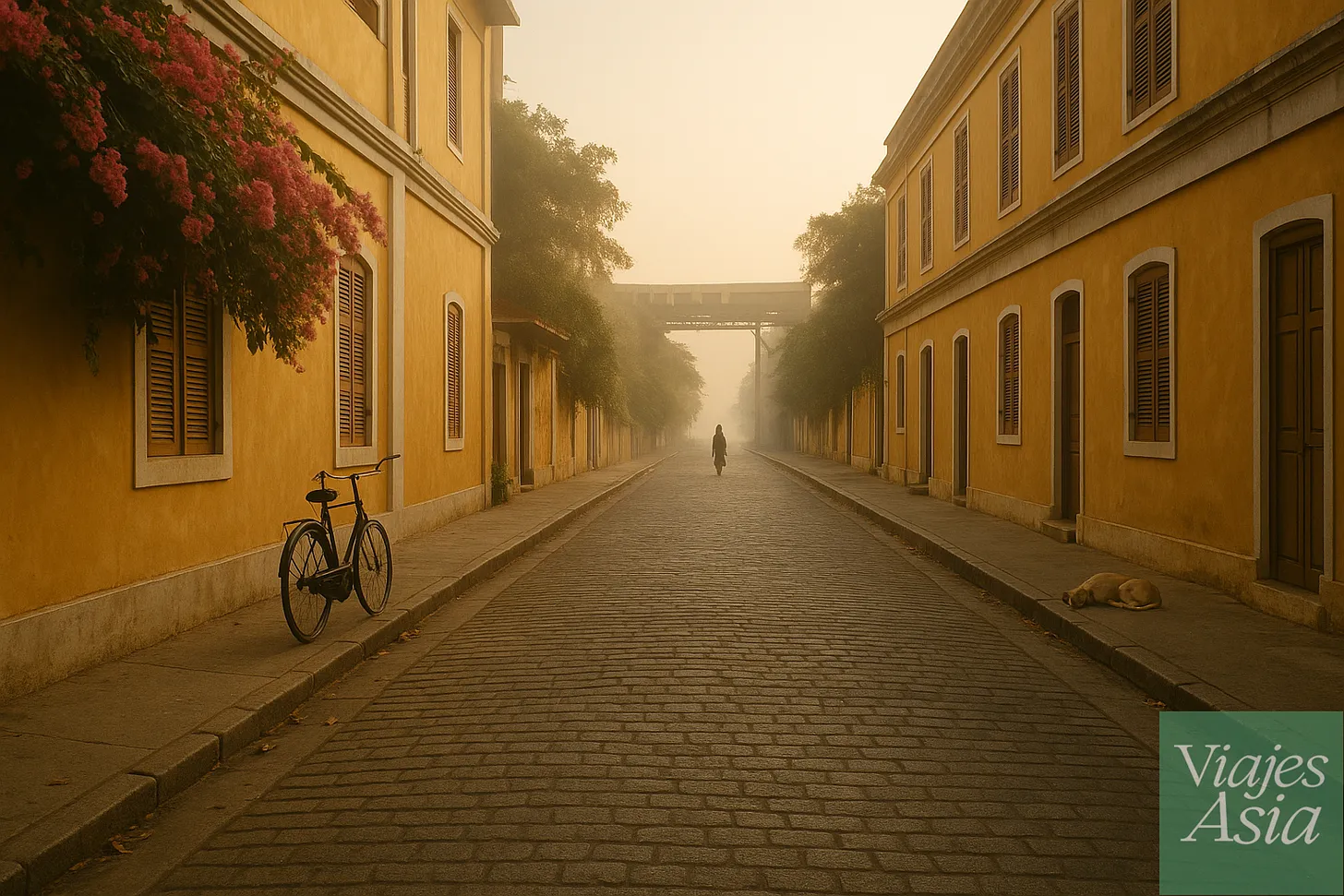
In southern India, her piece on Pondicherry and Tamil Nadu follows the same logic of places that work at a lower volume. She shows that the intensity many expect from India is not always found on the busiest circuits, but in the orderly streets of White Town, in markets where breakfast costs less than half a euro, and in the everyday coexistence of French legacy and local tradition — without the pressure to “see it all”. The full story can be read here: Pondicherry, India: a beginner-friendly guide.
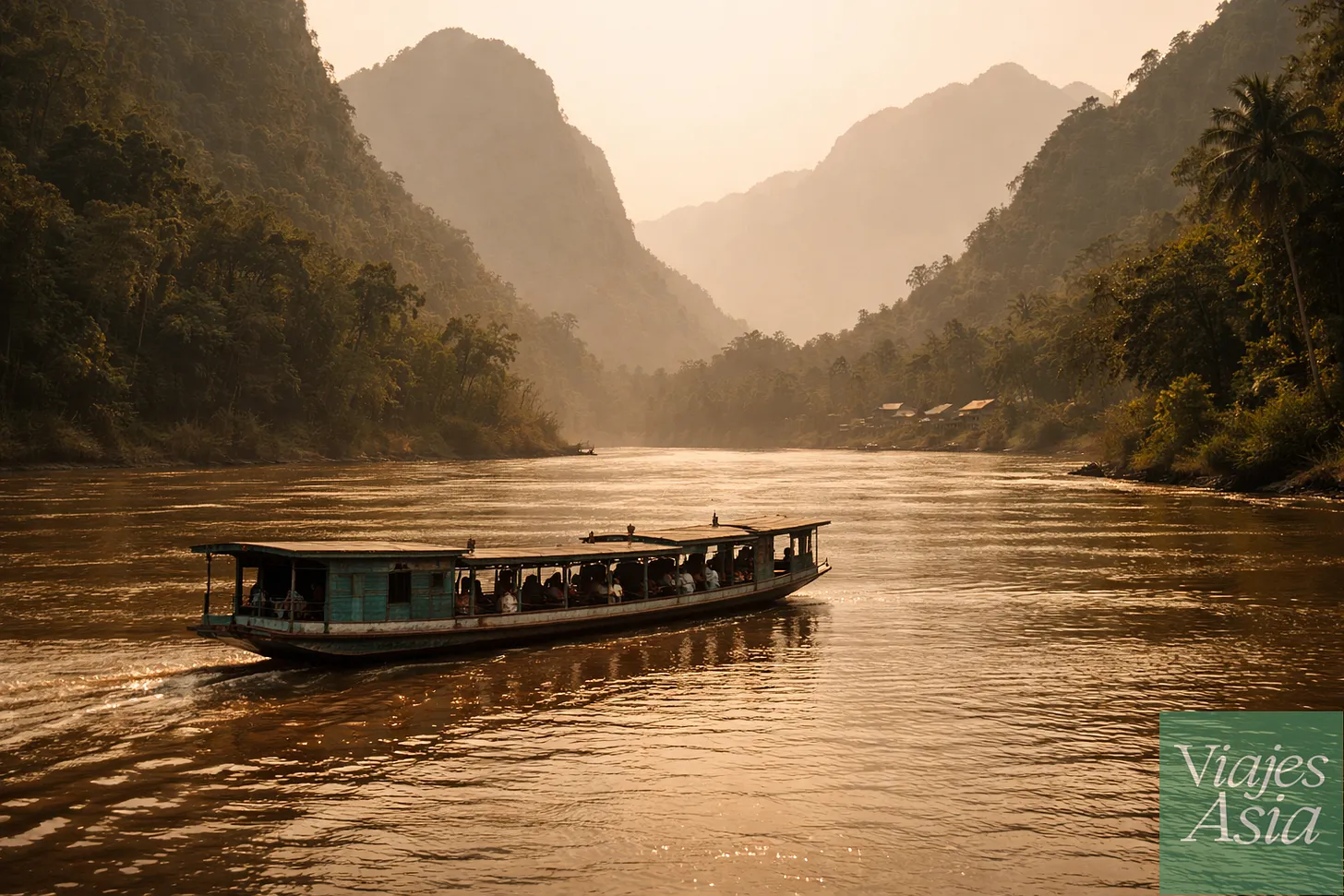
Something similar happens in Laos, where Noa decides to take travel literally slowly. In her account of the slow boat along the Mekong, also published on Viajes Asia, the journey matters more than the arrival. Two days on the river, no air conditioning, a body quietly protesting, until the engine stops and silence falls “like a blanket.” The piece is built on physical, honest details, far from any forced epic tone. You can read it here: Slow boat on the Mekong to Luang Prabang.
Noa’s style is close, direct, and unpretentious. She doesn’t lecture or disguise herself as an expert. She doesn’t write to convince you to go — she writes to tell you what it feels like to be there. She avoids worn-out words and brochure-like phrases because she knows no place needs exaggeration to matter. And when something doesn’t convince her, she doesn’t make a scene: she explains it, puts it in context, and moves on.
She also avoids the ambiguity of sponsored content. Noa is not an influencer and doesn’t live on freebies: she pays for what she eats, where she sleeps, and what she visits. In an ecosystem where almost everything sounds like a hidden recommendation, that quiet decision produces something rare: trust.
Perhaps that is why Viajes Asia grows organically, through word of mouth among readers looking for a different relationship with travel. It doesn’t offer urgency; it offers company. It doesn’t suggest lists; it suggests attention. And it reminds us of something increasingly uncommon: traveling is not about proving you were there, but about giving yourself time to realize that you are.
Sometimes, the best part of a destination can’t be seen. It sits with you.