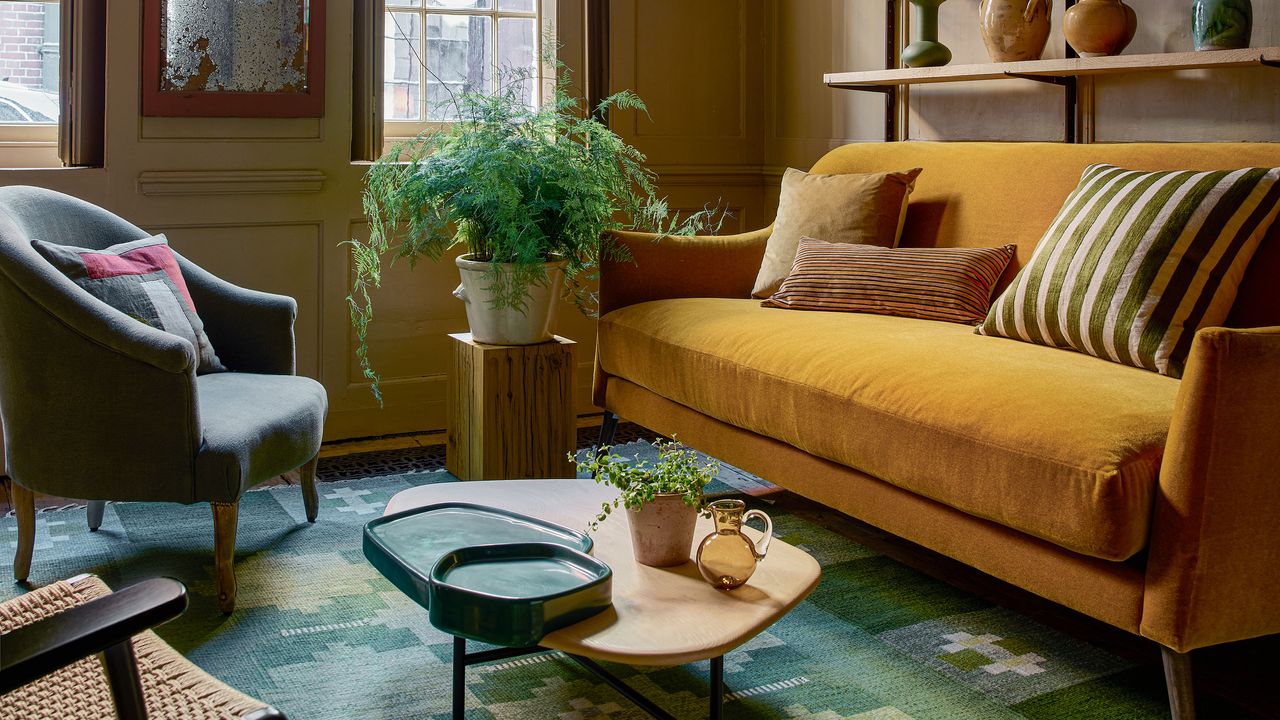
Understanding the factors that can make a home appear cheap is crucial for anyone looking to enhance their interior design. By recognizing common pitfalls, homeowners can create spaces that feel sophisticated and stylish without necessarily exceeding their budgets. Many elements that detract from a home’s appeal can be improved with simple, cost-effective solutions.
Key Design Pitfalls to Avoid
The following highlights nine subtle design choices that can make a home feel cheap, along with expert recommendations for refining these aspects to achieve a more polished aesthetic.
One of the most prevalent issues is the use of matching flat-pack furniture. While convenient, this type of furniture often lacks character and can give a space a lifeless feel. Interior designer Jennifer Walter suggests replacing basic hardware on flat-pack pieces with custom pulls and applying a sophisticated paint finish. Alternatively, investing in second-hand furniture can provide character and durability, often at a lower cost.
Another critical aspect is flooring consistency. Inconsistent flooring choices, such as mixing different materials like laminate and luxury vinyl tile (LVT), can disrupt a home’s design flow. Walter emphasizes the importance of selecting a single flooring type throughout the home to maintain a cohesive aesthetic. For those on a budget, a consistent wood-look flooring option can elevate the overall feel of the space.
Creating a Cohesive and Elegant Space
Clutter is another factor that can dramatically affect how a home is perceived. A disorganized space can undermine even the most thoughtful design choices. Keeping surfaces clear not only fosters a serene environment but also enhances the home’s overall appeal. Clever storage solutions, such as built-in shelving and multifunctional furniture, can help maintain order. Designer Amy Youngblood advises that a minimalist approach can enhance the sense of sophistication in a home.
The use of decor also plays a crucial role in elevating a space. While chintz patterns can add charm, an overabundance can lead to a cluttered appearance. Youngblood recommends carefully selecting unique decor items that resonate with the home’s style to create a more refined interior.
Furniture size is another common misstep. Using pieces that are not proportionate to the space can create a disjointed look. Youngblood advises homeowners to choose furniture that complements the room’s dimensions to ensure a harmonious arrangement.
Rug selection is often overlooked, yet it can significantly impact a room’s perception. A rug that is too small can make a space feel cheap. Jessica Nelson of Jessica Nelson Design recommends using masking tape to visualize different rug dimensions before making a purchase. For larger spaces, leaving a margin of 12 to 18 inches of floor visible around the rug can create an inviting atmosphere.
Curtains also impact a room’s overall look and functionality. Christian Ladd, founder of Christian Ladd Interiors, highlights the importance of investing in high-quality lined curtains, especially in bedrooms. Well-crafted draperies add an element of luxury and can dramatically enhance the room’s appearance.
Furthermore, the choice of hardware for cabinetry and furnishings can subtly influence a space’s appeal. Replacing standard hardware with more distinctive options can elevate the look of cabinetry and make it feel more curated. Attention to detail in these elements can significantly enhance the perceived quality of a home.
Finally, the use of color in interior design cannot be understated. A flat color palette can render a home lifeless. Instead, employing rich hues throughout the space can create depth and visual interest. This practice, known as color capping, involves painting walls and ceilings in complementary tones to elevate the room’s character.
By addressing these common design pitfalls, homeowners can transform their spaces into elegant and sophisticated environments without extensive spending. Simple adjustments, thoughtful choices, and an eye for detail can lead to a home that feels truly luxurious.