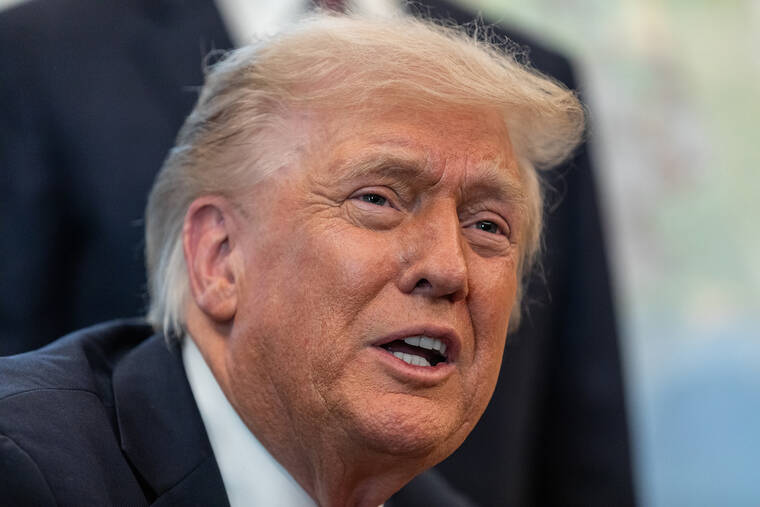
A recent column by Marc Thiessen in the *Honolulu Star-Advertiser* argues that former President Donald Trump deserves a Nobel Peace Prize for his purported efforts in international diplomacy, specifically referencing the ongoing negotiations surrounding the conflict in Gaza. Thiessen’s assertion, published on October 10, aligns with Trump’s own statements at rallies, where he has encouraged his supporters to advocate for his recognition as a peacemaker.
Thiessen’s claims hinge on Trump’s role in facilitating discussions aimed at resolving hostilities in Gaza. However, it is important to note that these negotiations are still in progress and the situation remains fluid. Critics argue that labeling Trump as a peacemaker overlooks significant aspects of his foreign policy, particularly his actions that have escalated tensions in various regions.
In addition to his involvement in Gaza, Trump has been criticized for his military engagements, including airstrikes against Iran and a recent increase in confrontational rhetoric towards Venezuela. These actions contrast sharply with the image of a diplomatic leader and raise questions about the true nature of his contributions to global peace.
Moreover, Trump’s domestic policies have also drawn scrutiny. His administration’s deployment of federal and National Guard troops in urban areas such as Washington, D.C., Chicago, and Los Angeles has been perceived by some as an attempt to intimidate citizens rather than foster an environment of peace. This approach has led to accusations that he is more aligned with creating conflict than resolving it.
Thiessen’s perspective has ignited a broader conversation about the criteria for peace and the legacy of leadership. While some supporters view Trump’s actions as necessary for national security, others argue that true peacemaking requires a commitment to diplomacy and collaboration, rather than military might.
As the debate continues, the implications of Trump’s presidency on both domestic and international fronts remain a topic of significant discussion. The contrasting views on his legacy will likely influence public opinion as the nation reflects on his time in office and its aftermath.
The *Honolulu Star-Advertiser* invites readers to share their thoughts on this issue, encouraging engagement through letters to the editor.