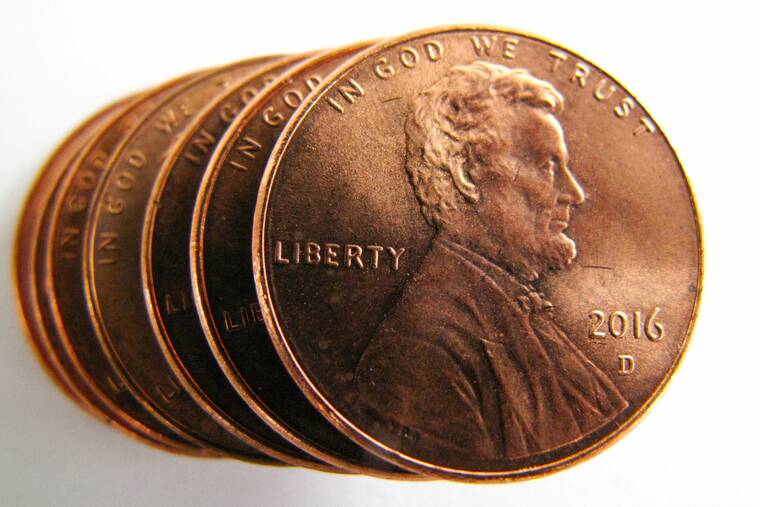
The United States has officially ceased production of the 1-cent coin, commonly known as the penny, marking the end of a significant chapter in American currency history. On March 15, 2024, the last new penny was minted, concluding a continuous production run that lasted for 232 years. While the penny will continue to be recognized as legal tender, the decision to halt its manufacturing is primarily driven by rising costs and evolving consumer behavior.
The U.S. Mint estimates that this move will save approximately $56 million annually. The production costs of minting pennies have escalated significantly due to inflation and increased metal prices, making it economically unfeasible to continue their production. Currently, around 300 billion pennies remain in circulation, ensuring that the coin will still be available for transactions, even as new ones will no longer be produced.
Changing Financial Habits and Technology
The decline in the use of pennies reflects broader trends in payment methods and consumer habits. Many retailers and consumers have shifted towards digital transactions, leaving the demand for physical coins diminished. The rise of cashless payment systems, combined with a growing preference for rounded prices, has led to fewer instances where pennies are necessary.
Economists have noted that the decision to discontinue the penny aligns with a global trend observed in various countries, where low-denomination coins have been phased out. For example, Canada eliminated its penny in 2013, which has prompted discussions in other nations regarding the future of similar coins.
The Legacy of the Penny
Despite its discontinuation, the penny has played a notable role in American culture and economics. The phrase “A penny saved is a penny earned” has become a staple in discussions about personal finance, emphasizing the value of saving even the smallest amounts. As the U.S. Mint pivots away from this iconic coin, questions arise about whether such expressions will endure in the absence of the penny itself.
The legacy of the penny will likely spur conversations about the future of currency in a rapidly changing financial landscape. As society adapts to new technologies and payment systems, the historical significance of the penny serves as a reminder of the evolution of money and its role in everyday life.