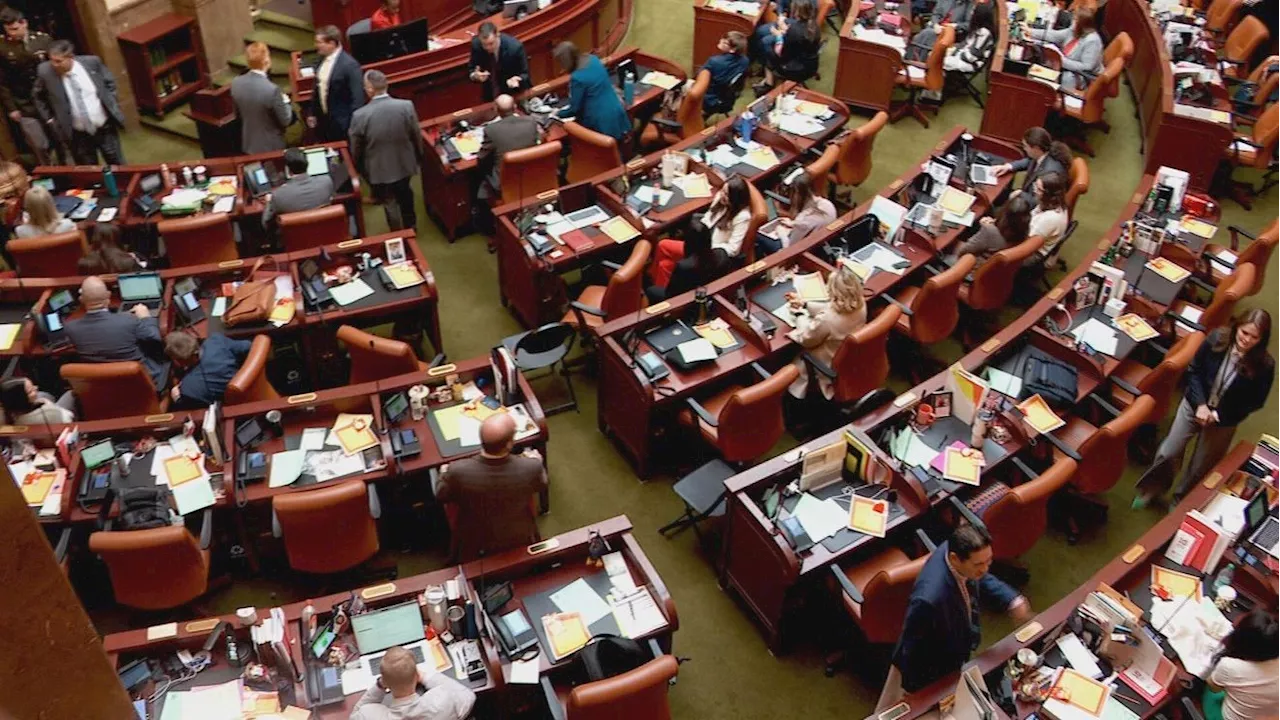
The 2026 Utah Legislative Session is set to commence on January 20, 2026, with lawmakers proposing over 430 bills covering a wide array of topics, including Artificial Intelligence, firearms regulations, and LGBTQ+ policies. The session will last for 45 days, concluding on March 6, 2026. Concerns have been raised regarding the feasibility of addressing such a large number of proposals within the limited timeframe. Senate Minority Leader Luz Escamilla expressed apprehension about the challenge of reviewing all proposed legislation in just 45 days.
Among the notable bills is a proposal to restrict the display of pride flags in educational institutions, which has resurfaced from previous debates. This bill seeks to limit flag displays specifically to schools, while allowing them to be flown on government property.
Additionally, lawmakers have introduced legislation aimed at enhancing public safety by prohibiting open carry of firearms within 500 feet of large public gatherings. Currently, it is illegal to carry firearms in certain sensitive locations, such as airports and houses of worship. This measure comes in light of a tragic incident last summer in downtown Salt Lake City, where a safety volunteer discharged a firearm during a confrontation with an armed protester, resulting in injuries and fatalities.
As the popularity of Artificial Intelligence continues to rise, new educational requirements are being proposed. One bill mandates that high school students complete a half-credit course in digital literacy, focusing on social media and AI skills, as a prerequisite for graduation. This initiative aims to better prepare students for the evolving technological landscape and will also establish a task force to integrate digital literacy across K-12 education.
In terms of LGBTQ+ policies, a proposed bill seeks to repeal certain provisions related to gender identity in housing, employment, and criminal justice. This includes a controversial measure that would restrict transgender employees in education and health services from roles requiring prolonged contact with children. Furthermore, the bill outlines that a parent’s failure to support a child’s gender identity, which conflicts with the child’s biological sex, may be considered in custody decisions.
Legislators are also considering amendments to judicial processes. One proposal would enable the legislature to initiate retention elections for judges deemed unfit or incompetent. This change would allow lawmakers to hold early votes on judges’ positions if their actions are called into question. Additionally, another bill seeks to modify the state constitution to give governors the authority to appoint qualified candidates to judicial vacancies, bypassing the current nomination process.
Another significant legislative proposal is the introduction of a Purple Alert system, designed to assist in locating vulnerable adults with mental or physical impairments. This system would function similarly to the AMBER Alert for missing children, aiming to improve public awareness and response efforts for missing adults.
As the session approaches, the proposed bills reflect ongoing debates within Utah about governance, public safety, and individual rights. The diverse range of topics indicates a busy legislative period ahead, with significant implications for residents across the state. As discussions unfold, stakeholders will be closely monitoring how these proposed laws will shape the social and legal landscape of Utah in the coming years.