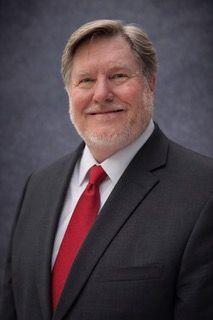
In a recent column, author and commentator Les Ferguson Jr. reflects on the evolution of American politics and the importance of kindness in public discourse. He highlights his personal journey from first voting at the age of 18 to witnessing a series of presidential administrations, including those of Ronald Reagan, George H.W. Bush, Bill Clinton, George W. Bush, Barack Obama, Donald Trump, and currently Joe Biden. Ferguson expresses concern that our political leaders could benefit from embracing the same values of kindness and civility he champions in his own life.
Reflecting on his early voting experience, Ferguson recalls how he registered to vote during his high school civics class, receiving an A+ for fulfilling the requirement. He acknowledges that his academic performance could have been better if he had prioritized his studies over social activities with friends like Dean, Terry, Chuck, David, and Steve. Despite this, he maintains that the friendships he formed during that time have had lasting value.
Over the years, Ferguson has observed the polarized opinions surrounding each president. He notes how supporters and opponents alike have perceived them as either the harbingers of doom or the greatest leaders. He admits to sometimes falling into the trap of viewing political figures in absolutes, yet he emphasizes that none of these leaders are infallible.
“Whoever lives at 1600 Pennsylvania Ave is no more or less human than the rest of us,” Ferguson asserts. The essence of his message calls for accountability among elected officials, suggesting that they, like everyday citizens, could benefit from being kinder and more considerate.
As an active voter, Ferguson strives to select candidates he believes will best serve the nation. He recognizes that no one gets their choices right all the time. Instead, he emphasizes personal responsibility: “I have no control over anyone but myself,” he states. Ferguson advocates for living by the golden rule, which he believes fosters better relationships and contributes to a brighter world.
His plea for kindness resonates not only in political contexts but also extends to personal interactions. Ferguson believes that individuals should model the behavior they wish to see in their elected representatives.
“Just as you want others to do for you, do the same for them,” he quotes from the biblical reference Luke 6:31. This sentiment underscores his belief that kindness should be a guiding principle in all aspects of life.
As Ferguson concludes his reflection, he reiterates the need for compassion and civility in political discussions. He urges readers to embody these values, suggesting that if everyone could adopt such an outlook, it would create a ripple effect that could transform not only local communities but also the national landscape.
In a time marked by division, Ferguson’s call for kindness serves as a reminder of the shared humanity that connects us all, highlighting the potential for positive change through individual actions.