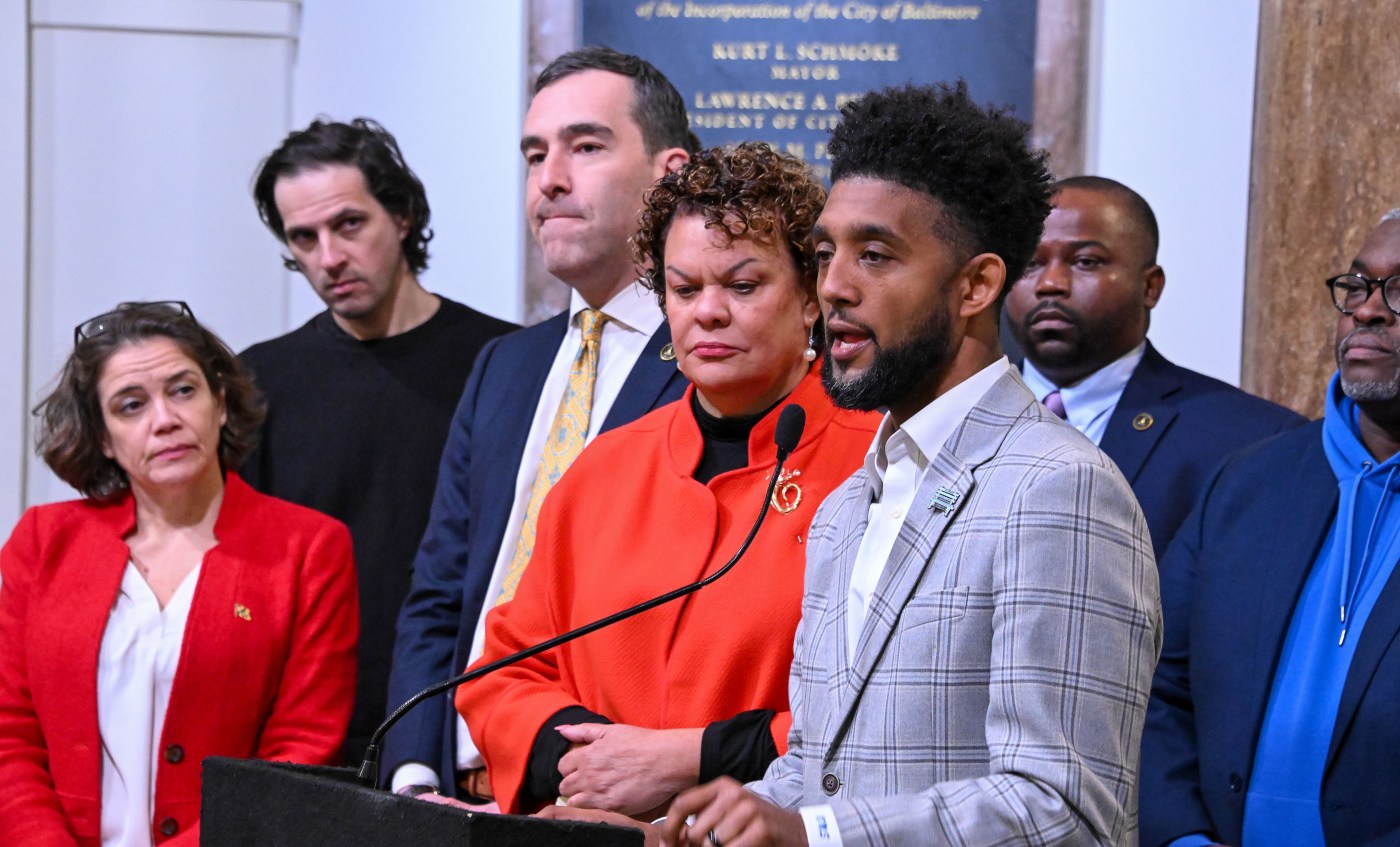
The issue of accountability within Baltimore’s nonprofit sector has come under scrutiny, particularly following recent concerns raised about the financial management of organizations funded by the office of Mayor Brandon Scott. A commentary submitted by Andrew G. Kelly highlights a perceived lack of accountability not only in nonprofits but also within the broader governmental framework of the city, citing various legal actions taken by Baltimore against multiple industries.
The commentary outlines several lawsuits initiated by Baltimore, which it argues reflect a culture of shifting responsibility rather than addressing underlying issues. For instance, the city has taken legal action against tobacco companies, claiming that residents continued to smoke despite knowing the health risks involved. Similarly, Baltimore has sued gun manufacturers in response to the rising gun violence, which often stems from minor disputes escalating into serious confrontations.
In addition to these actions, Baltimore’s government has also targeted pharmaceutical companies and pharmacies due to the misuse of prescription drugs in the community. The commentary points out that the city has filed lawsuits against financial institutions for predatory lending practices, which have led many residents into significant debt due to high-interest loans.
The trend continues with lawsuits against fossil fuel companies for their role in climate change, as well as actions against online gambling platforms for facilitating irresponsible gambling behaviors among residents. Each of these cases, according to Kelly, points to a broader systemic issue where accountability is lacking, making it unrealistic to expect meaningful change.
Kelly emphasizes that the expectation of accountability in Baltimore is misguided. He argues that the city’s approach to legal action reflects a tendency to blame external entities for issues that are deeply rooted in local behavior and choices. This perspective raises critical questions about the effectiveness of such lawsuits in fostering genuine accountability and addressing the root causes of the city’s challenges.
As Baltimore navigates these complex issues, the conversation around accountability—both in government and among its citizens—remains a pressing concern. The commentary serves as a call to reconsider how accountability is defined and enforced in a city facing numerous socio-economic challenges.