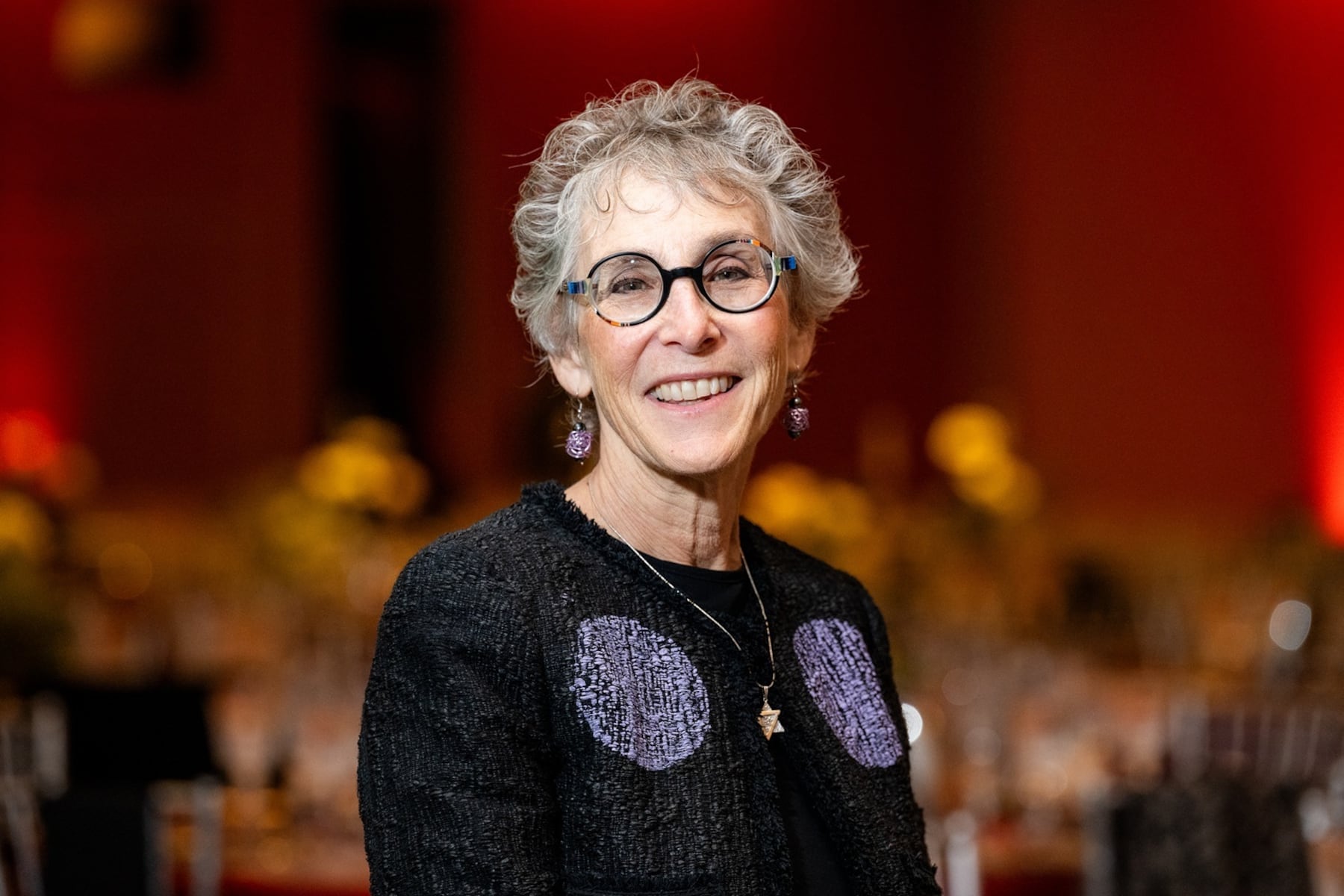
Susan Reis, the state policy advocate for Ohio at the National Council of Jewish Women (NCJW), emphasizes the profound impact of building genuine relationships in effecting change within communities. Her insights, drawn from extensive experience in grassroots activism, highlight the importance of real connections over mere networking or transactional interactions.
Listening as a Foundation for Change
Reis argues that effective relationship-building begins with listening. This process requires individuals to hear others’ stories, experiences, and concerns, rather than merely seeking to persuade or change opinions. By actively listening to people from diverse backgrounds—whether differing in socioeconomic status, race, religion, or neighborhood—one can uncover shared values and common challenges. This foundational understanding fosters trust and facilitates collaboration, paving the way for constructive dialogue and action.
Reis states, “When we listen across lines of socioeconomic status, race, religion, and neighborhood, we begin to see what we share: values, challenges, and hopes for the future.” This approach not only respects individual differences but also cultivates a deeper sense of community, essential for long-term change.
The Importance of Patience and Consistency
While building relationships may seem straightforward, Reis acknowledges that it often requires time and effort. Establishing trust does not happen overnight, and individuals may feel discomfort when reaching out to new acquaintances. She notes that, “This work isn’t quick. There’s no fast track.” In a fast-paced world that often prioritizes efficiency, the gradual nature of relationship-building can be frustrating. Yet, it is through consistent engagement and follow-through that meaningful connections develop.
Reis encourages individuals to embrace simplicity in their efforts. Small, intentional actions—such as showing up, checking in, or engaging in conversations without an agenda—can lead to significant outcomes. When community members take the time to understand each other’s concerns, they build a network of support that can mobilize effectively when action is needed.
“Sometimes, simply being present is enough to move something forward,” she adds, underscoring the power of everyday interactions.
Beyond Short-Term Goals
Effective relationships extend beyond the completion of a single project or campaign. Reis emphasizes that investing in people rather than just outcomes strengthens organizations and fosters resilient communities. “Strong relationships don’t end when a single campaign, meeting, or project wraps up,” she explains. This ongoing commitment transforms temporary victories into enduring capacity for change, ensuring that the work remains sustainable.
To initiate this process, Reis challenges readers to take concrete steps this week. She suggests exchanging contact information with someone new—a neighbor, fellow volunteer, or local leader—and inviting them for a casual coffee or a brief virtual chat. “No pitch. No pressure. Just a chance to get to know each other,” she advises. This simple act can reveal unexpected commonalities and shared aspirations for community improvement.
Reis’s insights serve as a reminder that the path to meaningful change is rooted in understanding and connection. By prioritizing relationships, individuals can lay the groundwork for collaborative efforts that resonate deeply within their communities.
Readers interested in sharing their perspectives are encouraged to submit essays on topics of regional or general interest to Ann Norman at [email protected]. Contributions should include a brief biography and headshot of the writer, with essays ideally spanning around 500 words.