As the primary season draws to a close, concerns about the influence of money in politics have intensified. With local elections scheduled for May 2024 and the general election just months away, calls for reforming campaign finance laws are becoming more urgent. Advocates argue that significant changes are necessary to enhance democracy and reduce the prevalence of misinformation in political advertising.
The landscape of political contributions in the United States has been transformed by two landmark Supreme Court decisions: Citizens United v. FEC and Speechnow.org v. FEC. These rulings lifted restrictions on campaign spending by corporations and unions, resulting in a dramatic increase in contributions from billionaires—reportedly rising by 160-fold since 2010, according to Americans for Tax Fairness. This surge in funding has created an environment where candidates often prioritize the interests of wealthy donors over those of their constituents.
The situation has prompted calls for two main types of reform: limitations on corporate spending and greater transparency in campaign financing. Critics highlight that the current system allows corporate interests to dominate political discourse, effectively sidelining individual voters and smaller businesses. Such dynamics have led to a political environment where candidates feel pressure to align with their financial backers, often at the expense of their constituents’ needs.
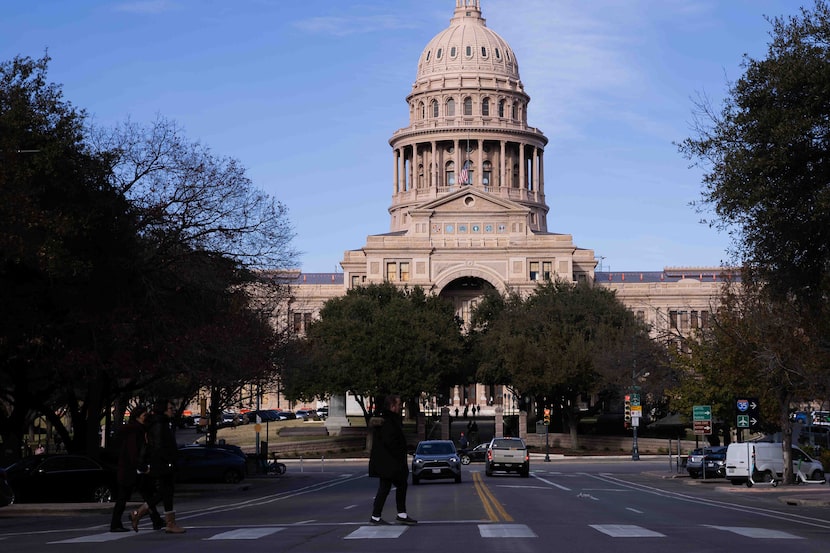
In Texas, the influence of money in politics has become particularly evident. A local Republican meeting in 2019 revealed the extent of this issue when a candidate faced scrutiny not for policy positions, but for their perceived loyalty to major donors. The candidate’s expression of concern over the control exerted by a few billionaires was met with hostility, underscoring how financial interests can shape political narratives.
Advocates for reform point to the need for legislative changes to counteract the effects of these Supreme Court decisions. They propose the introduction of “trigger” laws, similar to those enacted in Texas prior to the reversal of Roe v. Wade. These laws aim to redefine corporate political powers, establishing that corporations should not possess the same political rights as individuals. This approach could help restore a more equitable political landscape.
Improving transparency is equally crucial. Currently, dark money political action committees (PACs) are required to disclose their spending but not the candidates they support. This lack of clarity contributes to the proliferation of misleading information in political advertising. In the 88th Legislature, legislation was proposed to address this transparency gap, but it was vetoed by Gov. Greg Abbott. Subsequent attempts to pass transparency measures, including the Deep Fake Disclosure Bill and legislation limiting out-of-state donations, have similarly faltered.
The need for reform is not merely a partisan issue; a recent survey indicated that 70% of Republicans support changes to campaign finance laws. However, significant obstacles remain, particularly from established political figures who have benefited from the status quo. The influence of large financial contributions in Texas politics raises concerns that the system favors those with deep pockets over the average voter.
The founding fathers of the United States, including figures such as Thomas Jefferson and James Madison, expressed apprehension about the impact of concentrated wealth on political integrity. Their warnings resonate today as advocates push for reforms that would curb the influence of money in politics and restore faith in representative government.
As the election cycle progresses, the conversation around campaign finance reform will likely intensify. Citizens and lawmakers alike are encouraged to engage in discussions about these vital issues, aiming for a political landscape that prioritizes transparency and accountability.