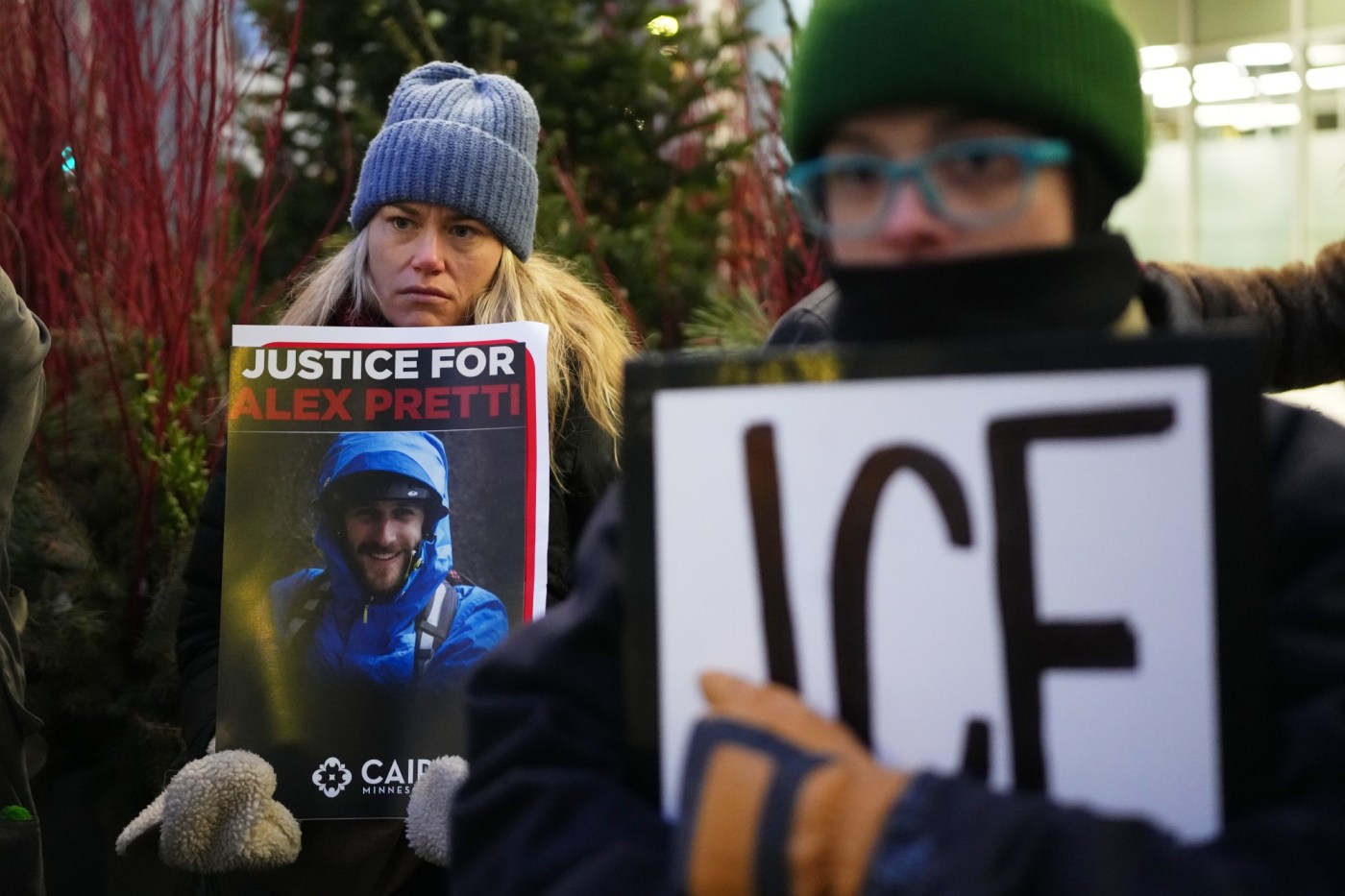
The recent incidents involving the use of deadly force by federal officers of the U.S. Immigration and Customs Enforcement (ICE) have raised significant concerns about public safety and accountability. Following the tragic deaths of Renee Good and Alex Pretti in Minnesota, the integrity of investigations into such incidents has come under scrutiny. These events, captured on video by bystanders, have prompted a call for reform in how federal law enforcement actions are investigated and prosecuted.
Calls for Reform in Federal Investigations
District Attorneys Michael Dougherty and Brian Mason of Colorado have highlighted serious shortcomings in the federal response to these incidents. They argue that the federal government has not only mismanaged the investigations but has also taken steps that undermine public trust. According to Dougherty and Mason, federal officials prematurely declared the use of force as justified, obstructed the collection of evidence, and attempted to investigate their own actions, which raises conflicts of interest.
The duo emphasizes that a transparent and independent investigation is essential whenever law enforcement uses lethal force. In Colorado, this protocol mandates an independent investigation led by a multi-agency team, ensuring that the agency employing the officer involved does not influence the inquiry. This model, they argue, should be adopted at the federal level.
Training and Transparency Are Key
Dougherty and Mason point out that officer training in Colorado is rigorous and consistent, taking several months to complete. However, they criticize ICE for significantly reducing its training requirements to just a few weeks, which they believe contributes to fatal outcomes during confrontations. The lack of comprehensive training raises concerns about the preparedness of federal officers in high-pressure situations.
They advocate for the implementation of body-worn cameras for all federal law enforcement officers, a practice already in place in Colorado. The use of these cameras has resulted in increased transparency and has often provided vital evidence that can corroborate or refute claims of misconduct.
The importance of public trust in law enforcement cannot be overstated, particularly following incidents of officer-involved shootings. In Colorado, the outcomes of independent investigations are made public, including video evidence and a written summary from the District Attorney outlining the decision-making process regarding any potential charges. This level of transparency is critical in maintaining community trust and accountability.
In Boulder County, for example, a multi-agency investigation into a death in custody resulted in criminal charges against deputies, leading to convictions and prison sentences. Such outcomes demonstrate the effectiveness of a transparent, independent investigation process.
Dougherty and Mason conclude that the federal government must adopt similar standards to restore public confidence. Until such reforms are enacted, they assert that state and local prosecutors must be prepared to step in to ensure justice is served. The call for reform is clear: the existing protocols in Colorado could serve as a viable model for Congress as it considers addressing the use of force by federal immigration officers.
By advocating for better training, transparency, and independent investigations, Colorado’s approach could help bridge the gap in accountability and restore trust in law enforcement across the nation.