A friend has raised concerns about a couple planning their second marriage, highlighting a perceived lack of appropriateness in their wedding gift registry. The couple, both in their mid-to-late 60s and with previous marriages, are seeking expensive kitchen equipment, china, and furnishings, prompting questions about the ethics of their requests. This situation has sparked a debate around societal norms regarding gift-giving for those entering new relationships later in life.
The friend, identifying as “Give or Give It Up,” expressed discomfort with the couple’s decision to register for costly items, suggesting that it reflects a sense of entitlement, or as they put it, “chutzpah.” While acknowledging that the couple is otherwise kind, the friend feels uneasy about the implications of asking others to subsidize their new home. The couple justifies their choices by stating that they desire new items to symbolize their fresh start together.
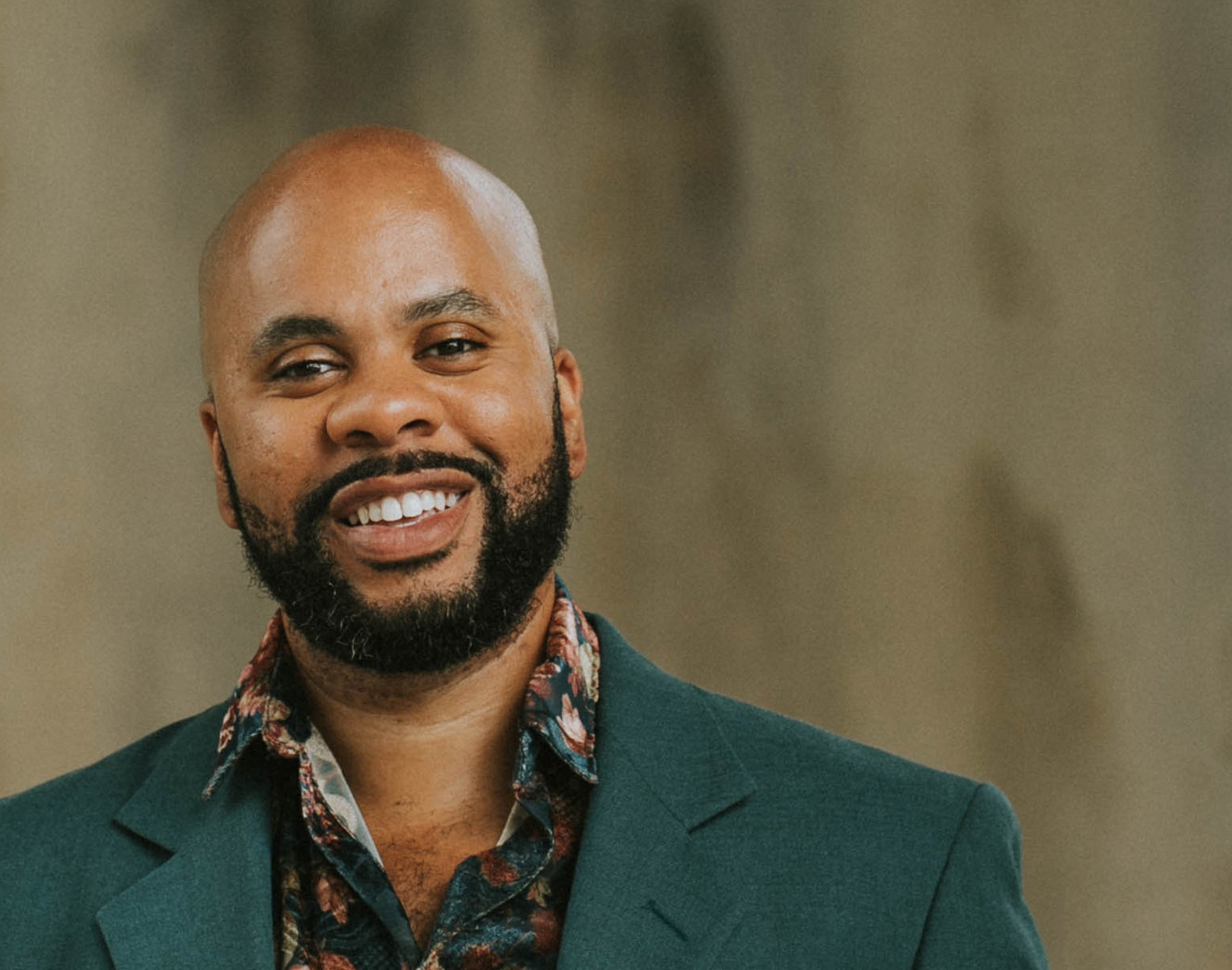
In response, advice columnist Eric Thomas offered a nuanced take. He emphasized that while it may seem presumptuous to request such gifts, participation in gift-giving remains voluntary. He suggested that rather than distancing oneself from the couple, it might be beneficial to approach the situation with understanding and acceptance of differing perspectives on gift registries.
In another letter, a reader referred to as “Slighted By Family” shared her disappointment regarding a family gathering. After being invited to an “aunt and nieces” weekend, she participated in a gift exchange but was the only attendee to bring gifts. Furthermore, following the unexpected death of her sister, she received no condolences from her husband’s family, leading her to question her relationship with them.
Thomas advised separating these issues to address them more effectively. He encouraged the reader to communicate her feelings to her husband’s sister regarding the gift exchange mix-up, emphasizing the importance of vulnerability and honest dialogue in family dynamics. By clarifying expectations and discussing disappointments without accusations, relationships can be strengthened rather than strained.
He also suggested that her husband take the initiative to discuss the lack of condolences with his family. Communication can illuminate misunderstandings and foster a supportive environment, ultimately helping both parties navigate their emotions and expectations more clearly.
The complexities of relationships, particularly in blended families or second marriages, can often lead to misunderstandings. Open dialogue and empathy remain essential tools for fostering understanding and maintaining connections in challenging situations.