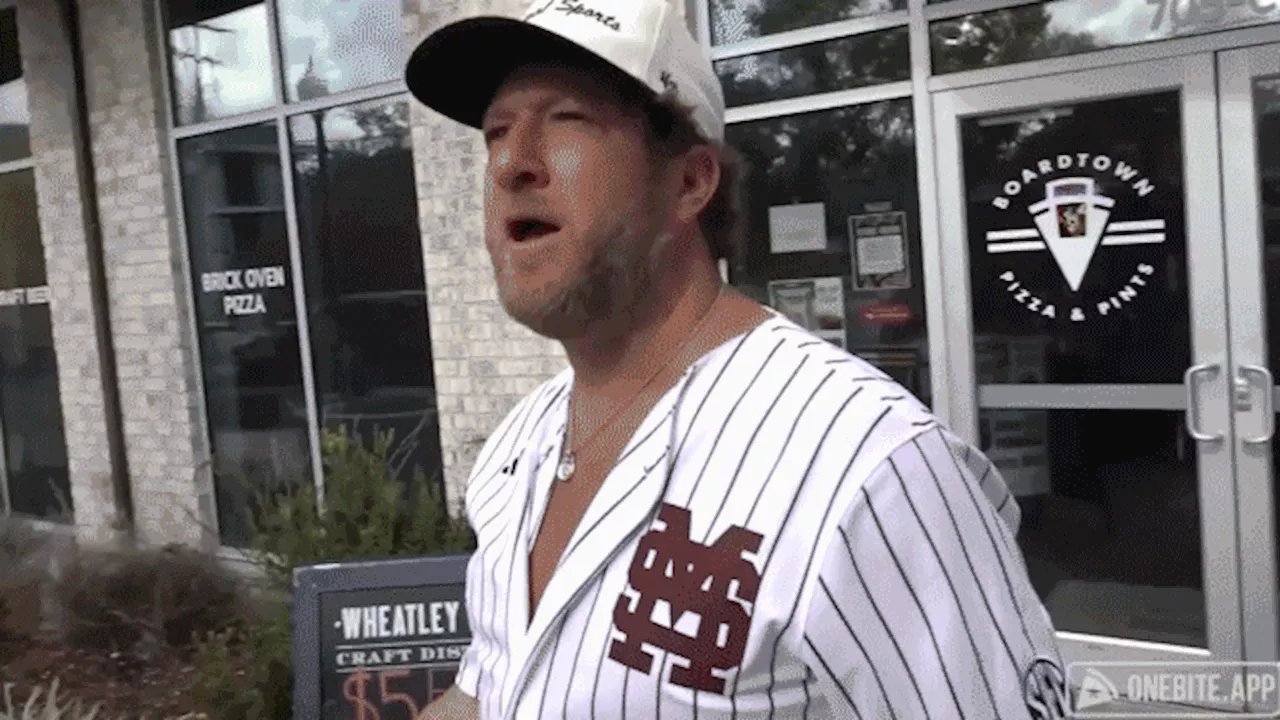
Dave Portnoy, founder of Barstool Sports, recently recounted a distressing antisemitic encounter during a pizza review in Starkville, Mississippi. While filming an episode of “One Bite,” a young man approached him, shouting antisemitic slurs and throwing coins. Portnoy, who identifies as Jewish, expressed alarm over the growing prevalence of hate speech and the role of social media in exacerbating such incidents.
Social Media’s Role in Amplifying Hate
In an interview on “My View with Lara Trump,” Portnoy articulated his concerns about the toxic online environment fostered by social media platforms. He pointed to the anonymity afforded by sites like X and Instagram, which he believes allows individuals to express hateful ideologies without fear of accountability. Portnoy described the internet as a “cesspool,” where faceless users can reinforce each other’s beliefs in echo chambers.
He stated, “Social media has allowed what I would think faceless names who… live in a corner of their own lives, and they’re not normal people… to express themselves online.” According to him, these platforms provide a breeding ground for hate speech, enabling individuals who would otherwise remain isolated to find validation and community among like-minded people.
Following the incident, Patrick McClintock, a 20-year-old former student of Mississippi State University, was arrested and charged with disturbing the peace. Witnesses reported him shouting, “Hey, f— the Jews, f— you, Dave.” While Portnoy acknowledged the negative aspects of the encounter, he found some solace in the public’s immediate response. Bystanders confronted McClintock, and many later expressed their apologies to Portnoy for the incident.
Public Response and Call for Action
Portnoy emphasized that he is more interested in seeing widespread condemnation of antisemitism rather than personal apologies. He noted that the public’s reaction gave him a glimmer of hope, as it demonstrated a collective rejection of hate. “I want outrage that this is happening,” he asserted, highlighting the need for society to actively confront and denounce such behavior.
Despite his optimism regarding the public’s response, Portnoy shared that he receives similar hateful messages daily on social media, often from anonymous accounts. He believes this anonymity emboldens individuals to share views they would likely avoid in public settings, further normalizing hate speech.
Portnoy’s remarks come amidst a concerning trend where online platforms have been criticized for fostering environments that allow hate to thrive. He noted that many individuals form “little groups online,” creating spaces where their extremist views are amplified and accepted. This lack of accountability, he argues, is a major factor contributing to the problem.
As the discourse surrounding antisemitism and hate speech continues, Portnoy’s experience serves as a stark reminder of the challenges posed by social media. His call for a more robust societal response urges individuals to reject hate and foster a more inclusive environment both online and offline.