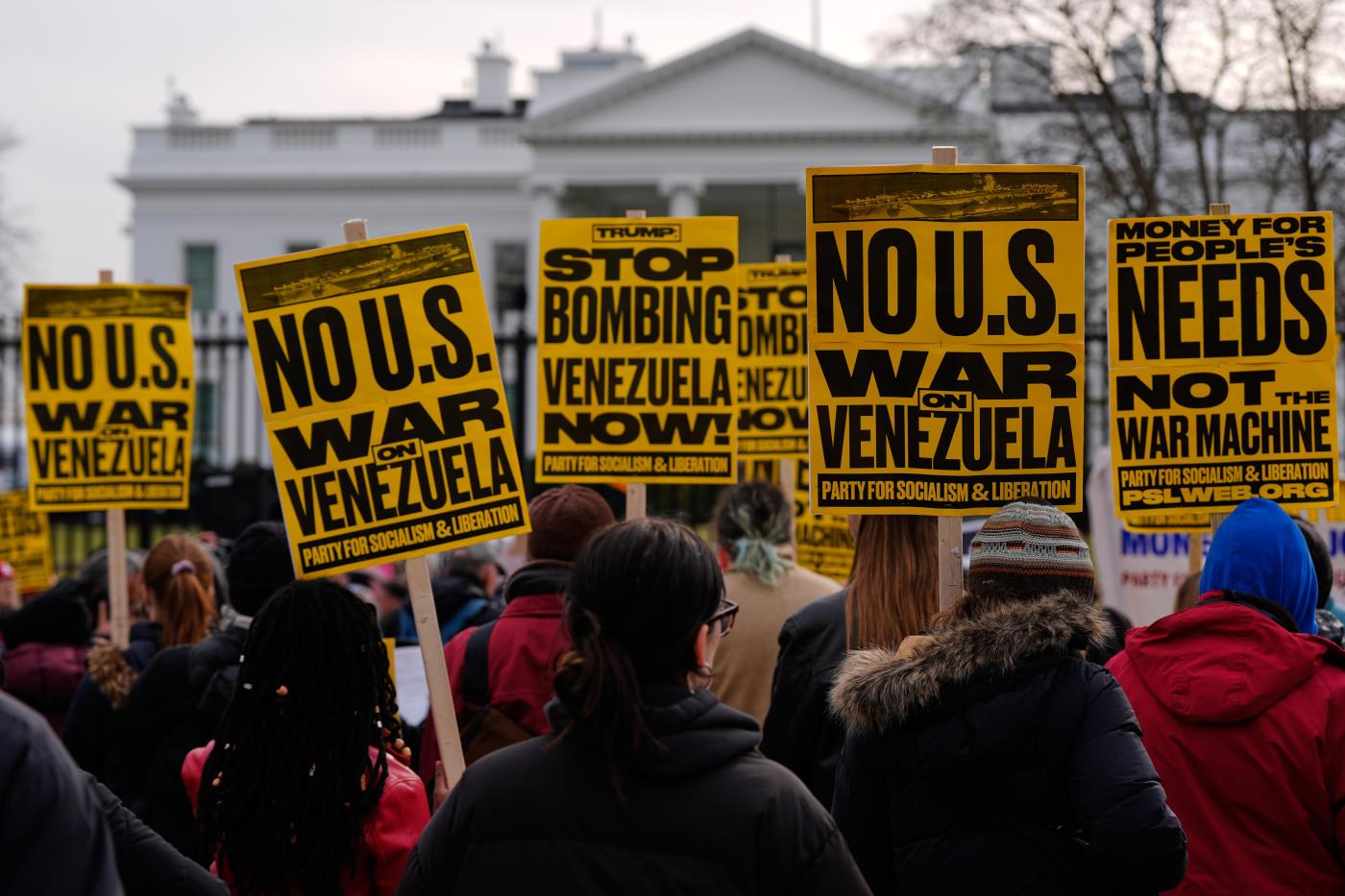
The ongoing discussion surrounding Venezuela’s political situation has sparked contrasting opinions, particularly regarding the actions taken against President Nicolás Maduro. Two recent commentaries published in The Baltimore Sun highlight differing perspectives on the legality and implications of these actions.
In his commentary, Sandeep Gopalan, a professor at the University of Maryland Eastern Shore, presents a well-structured argument that supports the legality of Maduro’s arrest. Gopalan cites specific evidence and explores the potential future consequences of these actions, making his case both cogent and concise. His analysis provides readers with a clear understanding of the complexities involved in the Venezuelan crisis.
Conversely, former government attorney Bruce Fein critiques the actions against Maduro, labeling them as “criminal aggression.” His essay, titled “Venezuela will be Trump’s Waterloo,” also published on January 4, lacks the substantiated claims found in Gopalan’s work. Fein’s argument is characterized by emotive language, using phrases like “swaggering hubris” and “indefinite duumvirate rulers,” but he does not provide concrete evidence to support his assertions regarding criminality.
Fein claims to represent the sentiments of the nation, stating, “Nobody believes that prosecuting or imprisoning [Nicolás] Maduro will save a single American life from a drug overdose.” This sweeping statement raises questions about its validity, particularly regarding the polling data that would support such a claim.
The closing assertion of Fein’s commentary, predicting that “Impeachment and removal … is inescapable,” appears to lack the grounding of factual evidence. This metaphor might resonate as overdramatic, echoing the phrase “the boy who cried wolf,” suggesting that the author’s predictions are more sensational than substantive.
The juxtaposition of these two essays illustrates a broader debate on how to approach the crisis in Venezuela. Gopalan’s piece serves as a model of persuasive writing, effectively using evidence to back his claims. In contrast, Fein’s commentary raises concerns about the reliance on rhetoric without the support of facts.
As the political landscape continues to evolve, public discourse surrounding Venezuela remains vital. Engaging with these differing viewpoints allows for a more comprehensive understanding of the complex issues at play. Readers are encouraged to explore these perspectives and contribute their thoughts on the topic, fostering a robust dialogue on the future of Venezuela and its leadership.