A federal judge has issued a restraining order against the Trump administration, preventing it from “destroying or altering” evidence related to the fatal shooting of a second American citizen by federal immigration agents in Minneapolis. This ruling comes amid growing concerns regarding the administration’s handling of investigations involving its own agencies.
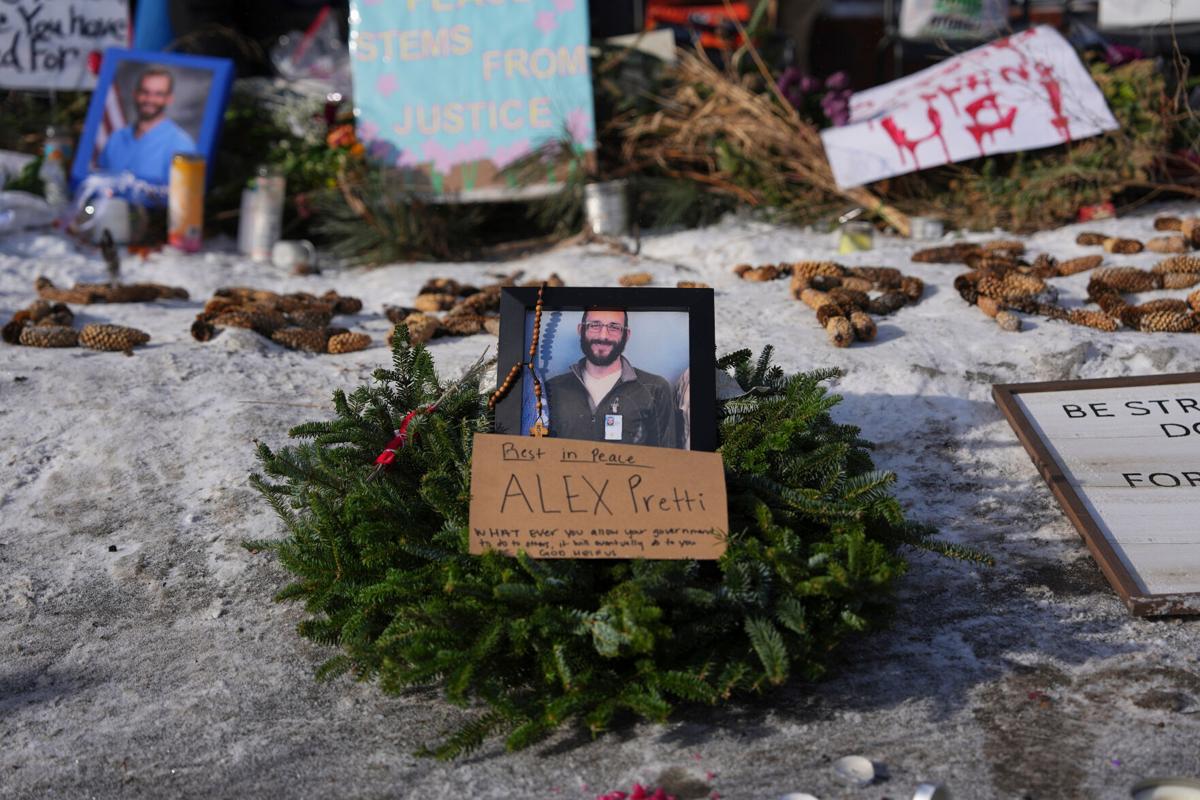
The decision by U.S. District Judge marks a significant intervention in a case that has drawn widespread attention and criticism. The case involves the shooting death of a 25-year-old man, who was reportedly targeted by Immigration and Customs Enforcement (ICE) agents. Local community members have expressed outrage, calling for transparency and accountability from federal authorities.
This restraining order, issued on September 15, 2023, mandates that all evidence, including documents and recordings related to the incident, must be preserved and cannot be altered. The American Civil Liberties Union (ACLU), which has been vocal in its demands for justice, argued that the order is essential to ensure a fair investigation.
The ACLU’s involvement underscores the broader implications of this case, as it raises critical questions about the accountability of federal agencies. In recent years, numerous incidents involving federal agents have led to heightened scrutiny and debate over their practices. The community in Minneapolis, still reeling from previous high-profile cases of police violence, has been particularly sensitive to these developments.
The judge’s ruling signals a recognition of the need for federal oversight in cases involving immigration enforcement. As federal agencies grapple with their roles and responsibilities, the implications of this case might extend beyond Minneapolis, potentially influencing investigations across the country.
Community organizers and activists have welcomed the ruling, viewing it as a step towards ensuring that the actions of federal agents are held to a higher standard. They argue that transparency is vital for rebuilding trust between the community and law enforcement.
The broader implications of the case also touch on the political landscape, as it highlights tensions between the Trump administration’s policies and calls for reform from various civil rights groups. Observers note that the administration’s handling of such incidents could shape public perception leading into future elections.
As the investigation continues, all eyes will be on how federal agencies respond to the court’s order and what measures will be taken to ensure accountability. The future of immigration enforcement practices may well depend on the outcomes of this case, reflecting the ongoing struggle for justice and equality in America.