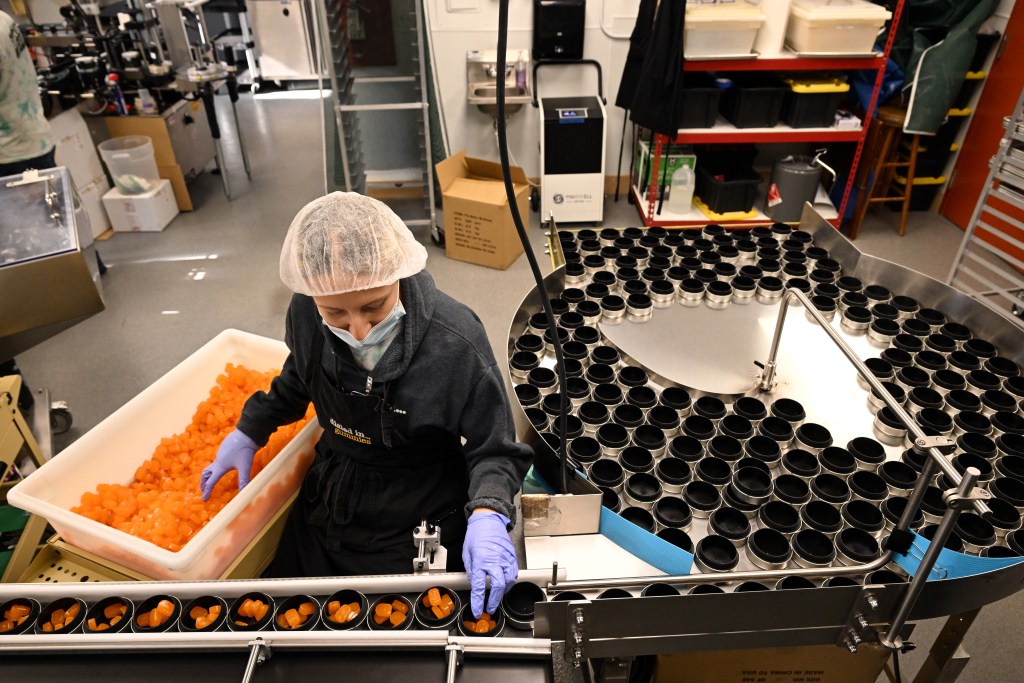
The recent decision to reschedule cannabis from Schedule I to Schedule III under federal law marks a significant development for Colorado’s cannabis industry. Previously classified alongside substances such as heroin, cannabis now shares a category with medications like Tylenol with codeine. This change, initiated under the administration of former President Donald Trump, provides crucial relief for operators in a market that has faced increasing challenges.
In Colorado, the cannabis market has matured significantly since it became the first state to legalize adult-use cannabis. Over time, operators have encountered a downturn characterized by falling prices, fierce competition, and slim profit margins. With many businesses struggling to survive, the federal government’s decision to reschedule cannabis offers a glimmer of hope.
One of the most immediate impacts of this rescheduling is the potential for cannabis operators to escape the burdensome provisions of the federal tax code known as 280E. This regulation has historically prevented cannabis businesses from deducting ordinary expenses such as payroll, rent, and utilities. As a result, many cannabis enterprises have faced effective tax rates that can soar between 75% and 80%, compared to the typical 25% to 30% for most U.S. businesses.
For operators who have endured years of financial strain, the ability to deduct legitimate business expenses could dramatically improve profitability. While this adjustment does not guarantee increased sales, it levels the playing field, allowing cannabis businesses to operate under the same tax regulations as other industries. This is particularly vital in a market like Colorado, which does not benefit from inflated prices or unchecked demand. Instead, operators must run efficient operations in a crowded landscape.
The financial relief from rescheduling can lead to tangible economic benefits. Funds that would have previously gone directly to the Internal Revenue Service (IRS) can now be reinvested into the business. This could result in higher wages, more stable jobs, enhanced compliance systems, and stronger connections within the community. As Sarah Flynn, a Colorado cannabis industry expert, noted, companies can now focus on future planning rather than merely surviving.
Moreover, the rescheduling has implications for how investors view the cannabis sector. While it does not legalize adult-use cannabis at the federal level or guarantee access to major stock exchanges, it does reduce the perceived risk associated with cannabis investments. Increased profitability could attract more lenders and long-term investors to a capital-constrained industry where funding often comes with high interest rates.
Despite these positive changes, it is essential to clarify what rescheduling does and does not accomplish. It does not pave the way for interstate commerce or eliminate the existing patchwork of state regulations. Additionally, cannabis remains technically illegal under federal law, classified alongside substances that pose greater risks of harm and addiction. Many advocates argue that cannabis should be regulated similarly to alcohol or tobacco and removed entirely from the Controlled Substances Act.
For Colorado’s cannabis industry, the rescheduling represents a notable step forward. It acknowledges the reality that the federal government has treated a legally regulated industry as a criminal enterprise. This recognition is critical for businesses that contribute to the economy by providing jobs, paying taxes, and operating transparently.
While the rescheduling will not revive the era of the Green Rush, it is a long-awaited break for Colorado cannabis operators who have faced considerable challenges over the years. With this new regulatory framework, businesses can finally begin to reinvest in the communities that have supported them, paving the way for a more stable and fair cannabis industry.
As Ryan Hunter, Chief Revenue Officer at Spherex, a Colorado-based cannabis extraction company, noted, this change is overdue. It offers a chance for the industry to emerge stronger and more resilient, benefiting not only the operators but also the wider community in which they operate.