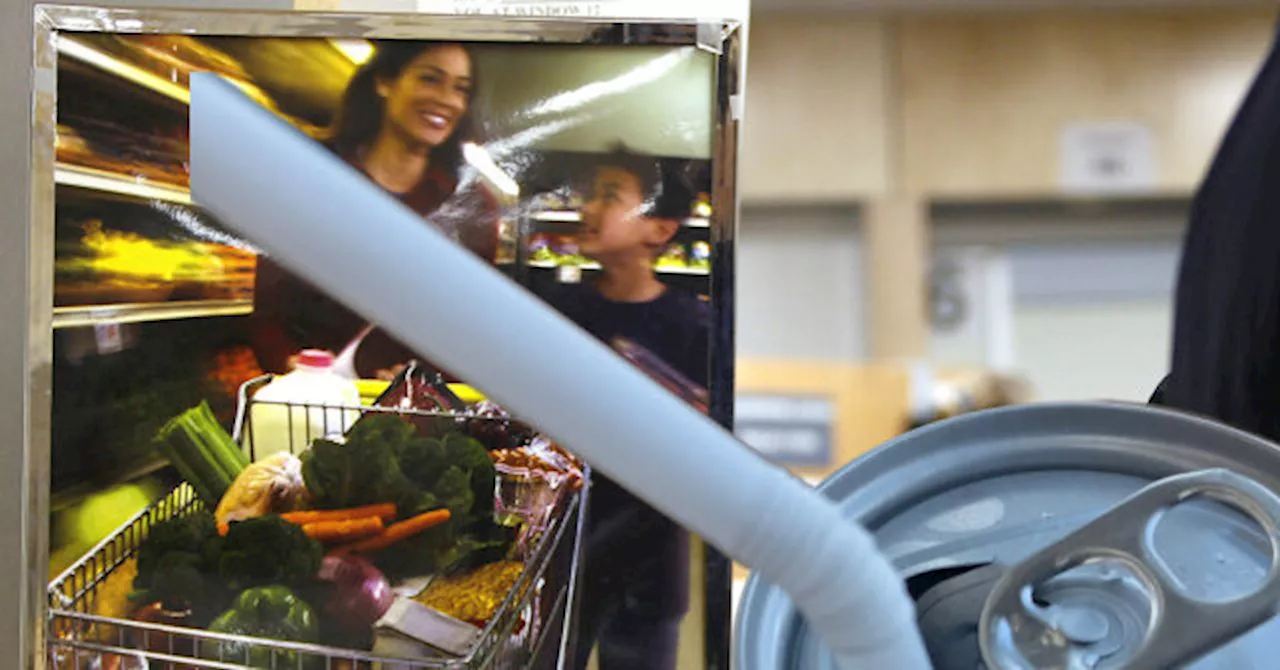
The Supplemental Nutrition Assistance Program (SNAP) is set to enforce new regulations in five states aimed at promoting healthier eating habits among recipients. Beginning on January 1, 2024, Indiana, Iowa, Nebraska, Utah, and West Virginia will restrict the purchase of sugary drinks and junk foods, including soda and candy, as part of the Trump administration’s “Make America Healthy Again” initiative.
This decision has garnered support from various health and agriculture officials, who believe it will encourage better dietary choices among individuals relying on government assistance. Health Secretary Robert F. Kennedy Jr. and Agriculture Secretary Brooke Rollins have been vocal advocates for these changes. Kennedy expressed gratitude towards the 18 governors who have supported SNAP reform, stating, “Their courageous leadership is exactly what we need to Make America Healthy Again.”
Under the new standards, specific restrictions will vary by state. Indiana has focused on eliminating purchases of soft drinks and candy, while Utah and West Virginia will also restrict purchases of soda and similar beverages. Nebraska has gone further by banning both soda and energy drinks. Notably, Iowa has implemented the strictest measures, limiting SNAP benefits for taxable foods, including candy and certain prepared items.
Rollins emphasized the importance of returning SNAP to its core purpose, stating, “President Trump has made it clear: we are restoring SNAP to its true purpose – nutrition.” This initiative aims to address the growing epidemic of chronic diseases linked to poor dietary habits, which officials argue have been exacerbated by existing government programs.
The changes have sparked discussions about the role of government in shaping dietary choices among its citizens. Critics of the old system argue that taxpayer dollars should not fund programs that contribute to public health issues. As Kennedy noted, “We cannot continue a system that forces taxpayers to fund programs that make people sick and then pay a second time to treat the illnesses those very programs help create.”
With these new restrictions, recipients of SNAP benefits in the five states will face limitations on their purchasing options, prompting a shift in how families plan their meals and grocery shopping. The initiative reflects a broader trend aimed at curbing unhealthy eating habits and promoting a more nutritious food environment across the United States.
As other states observe the impact of these changes, there may be further discussions on the future of SNAP and its role in addressing public health challenges. The focus remains on ensuring that nutritional assistance programs align with the goal of fostering healthier communities.