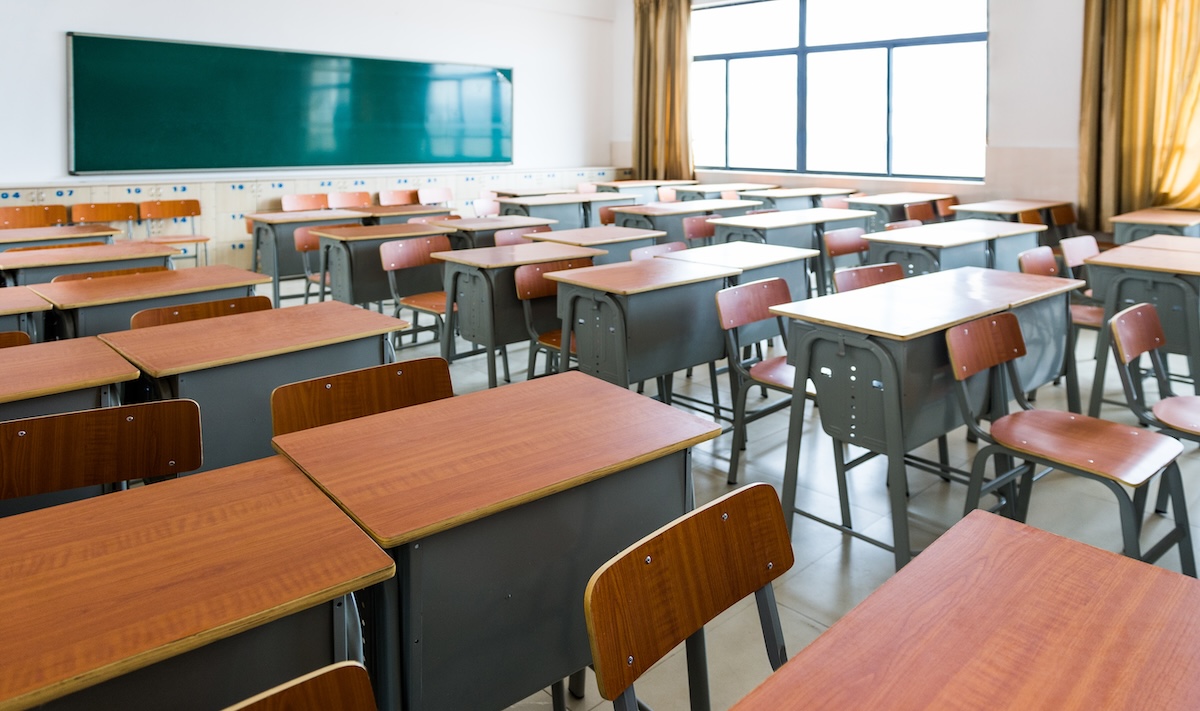
Florida lawmakers are moving forward with a bipartisan bill that could lead to the installation of cameras in special education classrooms. This initiative aims to provide an objective monitoring system to protect students, particularly those who are nonverbal, from potential abuse or mistreatment. The House bill, designated as HB 859, has successfully passed its first two committee evaluations and is now one step away from being presented to the full House.
The legislation is co-sponsored by Rep. Chase Tramont, a Republican from Port Orange, and Rep. Kevin Chambliss, a Democrat from Homestead. During a presentation to the House PreK-12 Budget Subcommittee, Chambliss emphasized the importance of safety in educational settings, stating, “This is a situation that is a safety concern and, in this House, safety is one of the things we think is top priority when it comes to the resources that we allocate.”
In tandem, the Senate version of the bill, known as SB 1170, is sponsored by Sen. Alexis Calatayud, a Republican from Miami. Following approval from its first committee on Tuesday, this Senate bill also aims to empower parents to request the installation of cameras in classrooms where the majority of students receive special education services.
Supporters of the legislation, including Sen. Danny Burgess from Zephyrhills, argue that it benefits all stakeholders: families, children, and educators. The proposed measures would require schools to establish clear criteria for approving or denying camera requests and to develop the necessary infrastructure for managing these requests. Importantly, parents would be limited to submitting one request per student each school year, and approved cameras would need to be installed within 30 days.
Advocates for the bill have brought personal experiences to the forefront, emphasizing the need for increased transparency in special education settings. Elizabeth Bonker, who serves on a federal autism research committee and directs the nonprofit Communication 4 ALL, voiced her support during a recent Senate hearing. Using a text-to-speech program, Bonker stated, “
SB 1170 is vitally important to protect voiceless children. Speaking children can come home and tell you if they have been locked in a closet, but a nonspeaking child cannot.
”
Despite broad support among legislators, some critics have raised concerns about potential overreach into classroom environments. However, the bill has received unanimous backing in all committee votes thus far. Bonker addressed these concerns, asserting that the need for regulation is paramount in ensuring the safety of vulnerable students. She also highlighted the potential financial benefits, arguing that the cameras could save school districts significant amounts in legal fees resulting from abuse allegations.
Data from the U.S. Department of Education underscores the challenges faced by students with disabilities. A 2022 report indicated that these students often experience heightened disciplinary actions due to a lack of appropriate support and interventions. The findings suggest that students with disabilities may face discriminatory practices when subjected to discipline compared to their peers without disabilities.
While the current bills do not allocate funds for the installation of cameras, there remains a possibility for lawmakers to include financial provisions in the state budget if the legislation is approved. For context, a pilot program implemented in Broward County in January 2021 had a cost of $774,194 for the installation of 320 cameras over three years.
As Florida continues to navigate the complexities of special education, the progress of these bills could signify a pivotal step toward ensuring greater safety and accountability in classrooms across the state.