A former CIA associate, Rahmanullah Lakanwal, has been charged in connection with the shooting of two members of the West Virginia National Guard in Washington, D.C. The incident, which raises significant concerns about security and the complexities surrounding U.S. military operations, occurred last week. Lakanwal, aged 29, previously worked with U.S. Special Forces in Afghanistan before being evacuated to the United States in 2021.
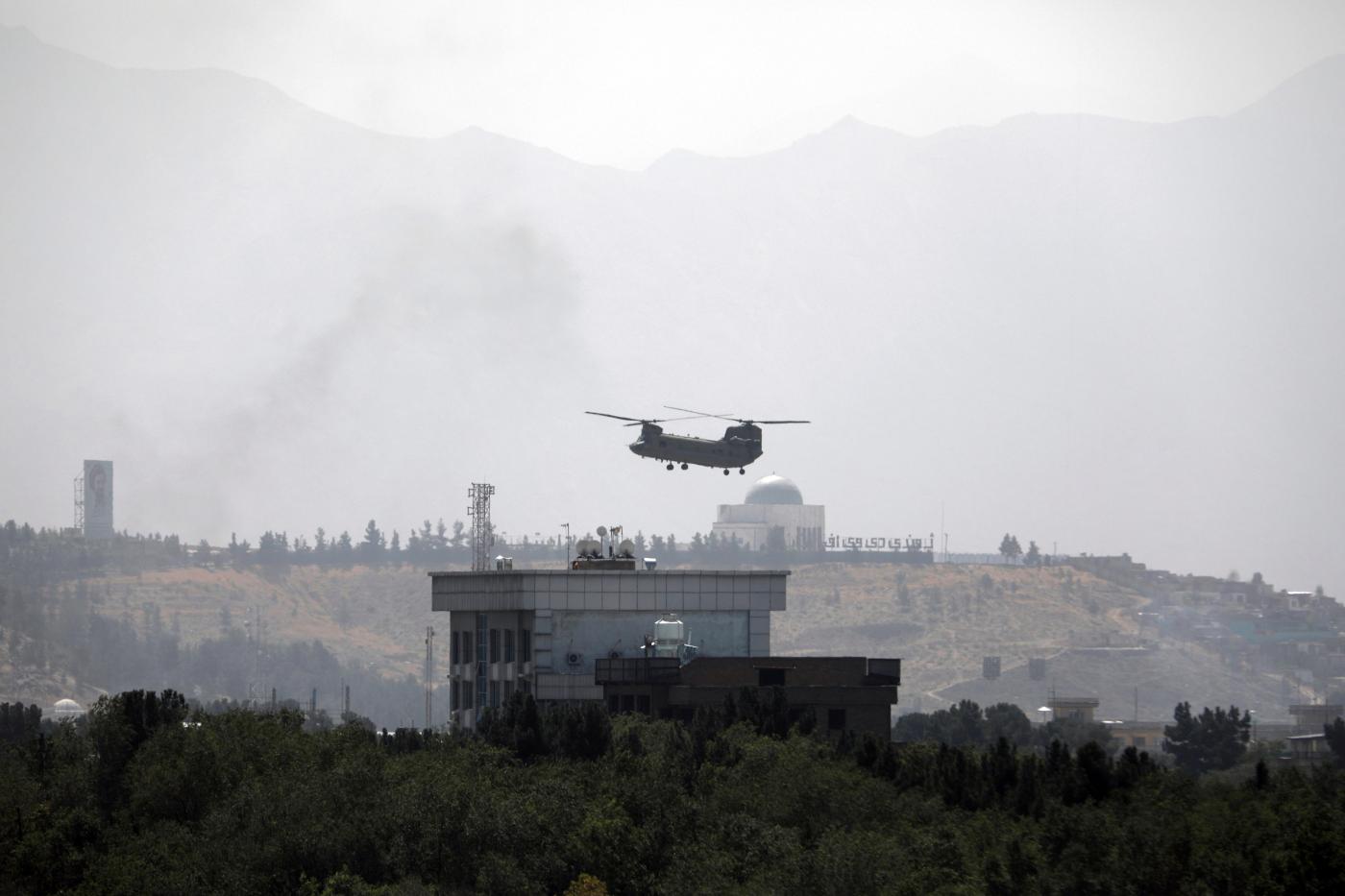
The evacuation of Lakanwal was part of Operation Allies Welcome, a program initiated to assist Afghan soldiers and civilians who risked their lives by supporting U.S. military efforts. This operation aimed to protect those who would be in danger following the Taliban’s resurgence after the U.S. withdrawal. Lakanwal’s asylum application was approved in April 2025 during the administration of Donald Trump.
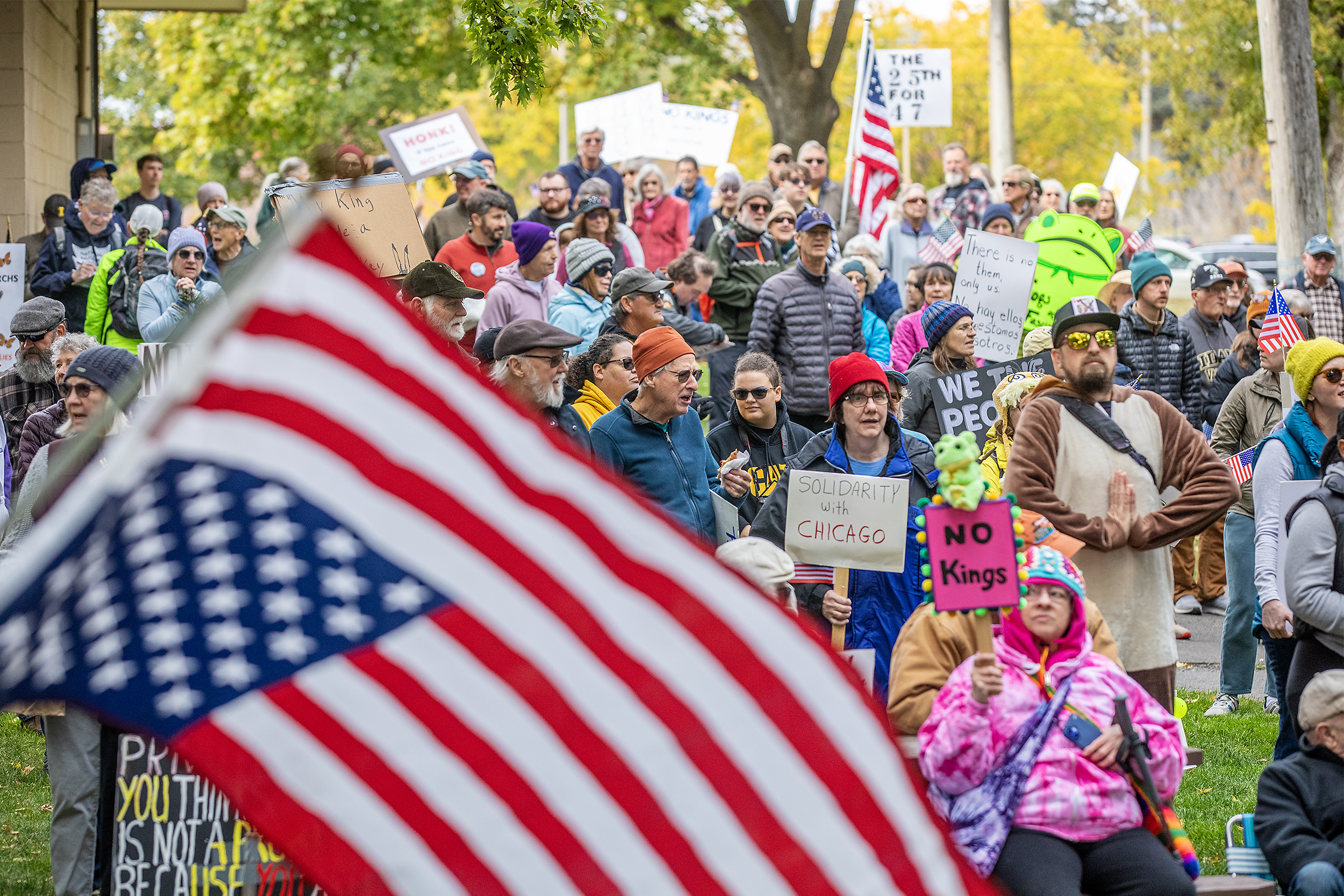
Understanding the context of the National Guard’s presence in D.C. is crucial. The deployment of these troops was ordered by Trump under a “national emergency” declaration. This allows the president to send troops domestically if there is a perceived threat to government authority. Currently, there is no rebellion or major unrest in D.C. or other cities where the National Guard has been deployed, including Los Angeles and Portland.
Judge Jia Cobb of the U.S. District Court for the District of Columbia recently ruled that Trump’s deployment of National Guard troops was illegal, stating that he “exceeded the bounds of statutory authority.” This decision highlighted the lack of requests from local civil authorities and underscored the potential for “irreparable harm” to D.C.’s governance. Despite this ruling, the National Guard troops were allowed to remain in the city for 21 days to allow time for an appeal by the Trump administration.
Legal challenges to the deployment of National Guard troops have proliferated across various jurisdictions. For instance, a ruling from the U.S. District Court for the District of Oregon blocked the deployment of the Oregon National Guard to Portland. Similarly, a temporary restraining order was issued by the U.S. District Court for the District of California, preventing the federalized California National Guard from being dispatched to Los Angeles.
The Supreme Court is currently anticipated to address the legality of these military deployments. In light of these developments, the responsibility for Lakanwal’s asylum and the National Guard’s presence in D.C. appears to rest with the Trump administration. Trump has publicly criticized the Biden administration for allowing Afghan allies to resettle in the U.S. following the withdrawal of American troops.
The history of the U.S. withdrawal from Afghanistan traces back to negotiations initiated during Trump’s presidency. In 2018, Trump began direct talks with the Taliban in Qatar, sidelining the Afghan government. The resulting agreement stipulated a complete withdrawal of U.S. troops by May 1, 2021. By the end of his term, troop levels had been reduced significantly, leaving only 2,500 soldiers stationed in Afghanistan.
President Biden, upon taking office in January 2021, initially committed to upholding the withdrawal agreement but extended the deadline to August 20, 2021, to facilitate a safer evacuation process. The Taliban launched a rapid offensive against the Afghan government during this time, leading to its swift collapse. In total, approximately 124,000 people were evacuated, including U.S. citizens and Afghan allies like Lakanwal.
The implications of these events are profound. With the Taliban now in control of Afghanistan, the complexities surrounding the U.S. withdrawal and the subsequent asylum of Afghan allies remain contentious topics. Trump’s administration executed the majority of troop withdrawals, yet he continues to place blame on Biden for the chaotic nature of the withdrawal and the recent violence involving Lakanwal.
As more details emerge regarding Lakanwal’s case and the broader implications of the National Guard’s deployment, the challenges surrounding U.S. military operations at home and abroad are becoming increasingly intricate. Public discourse will likely continue to scrutinize the actions of both the Trump and Biden administrations as the situation evolves.